



contact us
-
3-2-1003 Software park, Weifang Hi-tech Zone, Shandong, China
- +8615095247272
- sales@uleengen.com
-


Generator ATS Acceptance Checklist for Diesel Generator Buyers


Generator ATS Acceptance Checklist for Diesel Generator Buyers
A generator quotation can look complete until the buyer asks what happens after delivery. Is the ATS included? Does the diesel engine match the agreed model? Who connects the equipment, and what still needs checking at site? These questions affect the purchase price, delivery plan and responsibility for getting the package into service.
For procurement, a generator ATS acceptance checklist should help confirm that the equipment being supplied matches the order. The electrical team handles test methods and technical acceptance. The buyer needs a clear view of the purchased scope, supporting documents and unresolved costs before approving the next contract milestone.
At UleenGen, we encourage buyers to bring the generator model, engine requirement and ATS scope into the same enquiry. That gives the quotation and the later acceptance discussion a shared starting point.
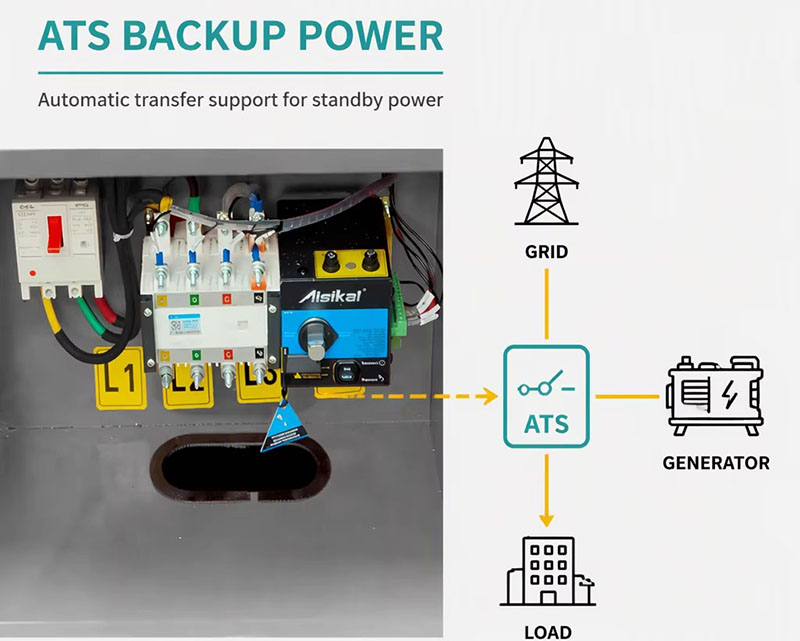
Start with what the purchase order includes
An ATS, or automatic transfer switch, transfers the load between the power sources covered by the project design. Its presence in a product description does not settle whether the cabinet, connections, installation or testing are included in your particular offer.
Ask for a written package list. It should identify the generator set, diesel engine, alternator, controller and transfer equipment. Beside each item, state whether it is included, optional or supplied by another contractor. An option without a price or responsible supplier remains an open purchasing question.
Our ATS cabinet range is a useful starting point for discussing equipment options. The final selection still needs the project engineer’s confirmation. A buyer should request the selected cabinet model and agreed specification rather than infer suitability from the generator’s advertised power alone.
Installation boundaries matter just as much. Find out who provides the cables, makes the site connections and arranges commissioning. A lower equipment price may leave those services outside the offer. Make those exclusions visible before comparing suppliers.
Ask to witness the agreed outcome
Procurement does not need a page of switching instructions. Ask the supplier and project engineer to explain the proposed demonstration in plain language: what function will be shown, which equipment will be connected and what record will confirm the result?
Depending on the agreed scope, the demonstration may cover the generator and transfer arrangement responding to a simulated source condition and returning through the approved sequence. The qualified test team must define and perform that work. Buyers should observe from the agreed location and leave switchgear operation and settings to authorized personnel.
Before the visit, request a short agenda and the documents needed to review it. Afterward, ask for a signed record identifying the equipment, the demonstrated functions and any items left open. Photographs can support this record, but a cabinet photograph alone does not establish that the purchased package passed its agreed checks.
If a function cannot be demonstrated at the factory, ask where it will be checked and who will arrange it. Factory acceptance and site commissioning can cover different work. Keeping both visible helps procurement avoid an unexpected second visit or an unassigned site task.
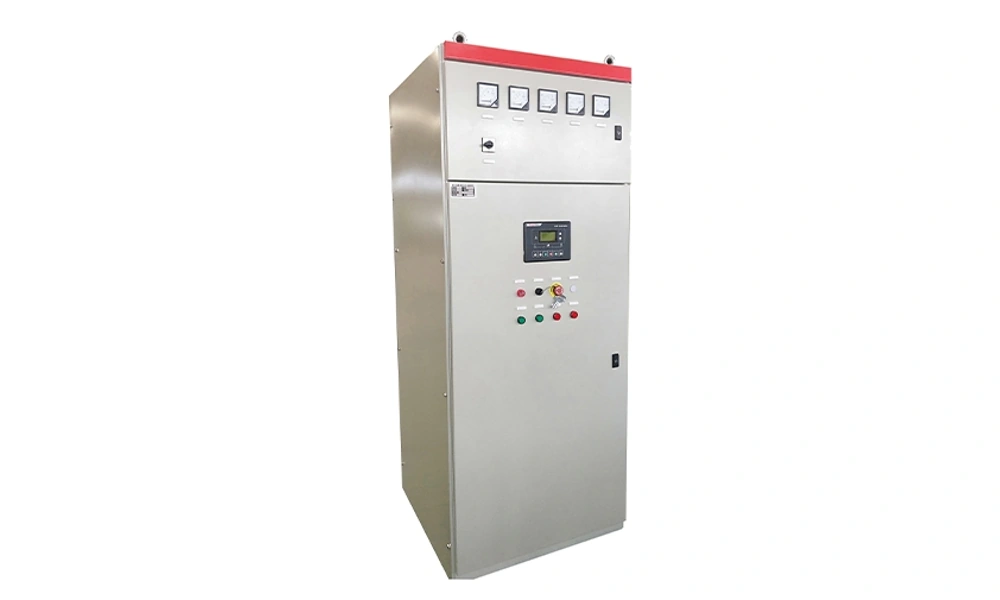
Record the few questions that affect purchase approval
The buyer’s checklist can stay short. It should connect each open question to a commercial decision, such as confirming scope, releasing equipment for shipment or arranging site work. The applicable contract determines the actual approval and payment conditions.
|
Buyer question |
Written confirmation to request |
Purchasing decision it supports |
|
Is this the ordered package? |
Generator, engine and ATS model references |
Confirm the supplied configuration |
|
What was demonstrated? |
Signed test scope and result |
Review the agreed factory milestone |
|
What remains for site? |
Outstanding checks and responsible contractor |
Plan commissioning work and cost |
|
What needs correction? |
Action owner and agreed closure evidence |
Decide whether an item remains open |
|
What accompanies delivery? |
Packing list, manuals and agreed records |
Prepare receipt and handover |
A useful exception note identifies the problem and the next action. For example, if a required report is missing, request that document. If the observed result was unsatisfactory, the technical team needs to define the correction and any repeat test. Procurement can track the commitment without having to diagnose the equipment.
Keep that list attached to the order record. When a supplier proposes a correction or revised component, the project team can then see whether it affects price, delivery, documents or the approved configuration.
Use the diesel engine model to make the enquiry specific
The ATS discussion should lead back to the generator being purchased. A description such as “diesel generator with ATS” leaves too much room for different offers. Ask each supplier to name both the complete generator set model and the diesel engine model.
These are separate identifiers. In our Cummins diesel generator model table, the 50 Hz listing pairs UC100GF with engine 6BT5.9-G2 and UC250GF with engine 6LTAA8.9-G2. These examples show how to read a proposed combination; they are not recommendations for every installation.
An engine name alone also leaves questions unanswered. In that same 50 Hz table, UC85GF and UC100GF both list 6BT5.9-G2. The complete package and its stated electrical output therefore need to stay in the enquiry alongside the engine reference. Confirm the current specification in the actual quotation.
If you already have an approved engine model, send the full designation, including its suffix. If you are replacing existing equipment, include a legible nameplate photograph and the required electrical details. Ask the supplier to identify any proposed departure from the approved requirement before quoting it as an alternative.
If no model has been selected, describe the application, operating duty, required voltage and frequency, destination and installation constraints. Your engineer should establish the load requirement. The supplier can then propose a documented package for review instead of asking procurement to choose from a power number alone.
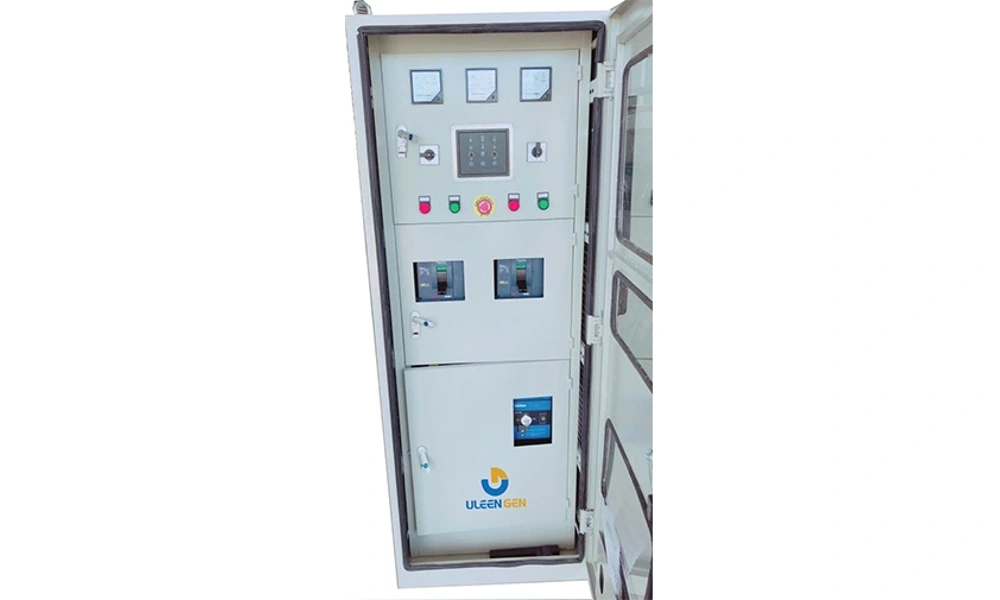
Compare the whole offer before choosing an alternative
Two quotations can mention the same diesel engine while including different alternators, controllers, enclosures and ATS equipment. Compare those items on one sheet. Otherwise a price difference may simply reflect a different scope.
When considering another engine model, ask what changes with it. Request the revised generator configuration, relevant performance documents and any effect on dimensions, maintenance requirements or service parts. The project engineer should review technical suitability; procurement should obtain the revised price and delivery terms in writing.
Keep the original offer beside the alternative until the change is accepted. A message saying “equivalent engine available” does not define what will ship. The accepted model and any substitution conditions belong in the final order documents.
Ask how warranty support, commissioning assistance and spare-parts enquiries will be handled at the destination. Confirm the offered scope and responsible contact. A general statement about support does not establish local attendance, parts availability or a response time for your project.
Delivery dates need the same care. Ask which quoted items are covered by the proposed schedule, what must be approved first and how a model change would affect it. Separate the supplier’s equipment readiness from the transport and site arrangements assigned elsewhere in the contract.
Send an enquiry that can become a purchase order
For an enquiry, send the preferred generator or diesel engine model, required quantity, project duty, electrical requirements and destination. State whether you need an ATS, enclosure, commissioning support or an alternative model for comparison. If there is an existing quotation, mark the unclear inclusions directly on it.
Ask for a reply that names the proposed configuration and lists the price basis, exclusions, delivery terms and documents supplied before shipment. Bring the agreed witness requirement into that reply so it is included in the scope being priced.
To discuss a generator and ATS package, contact our team with your model reference or project requirement. Request a configuration-specific quotation, then have the responsible engineer review its technical suitability before the purchasing decision is finalized.


