



contact us
-
3-2-1003 Software park, Weifang Hi-tech Zone, Shandong, China
- +8615095247272
- sales@uleengen.com
-


Marine Generator Spare Parts Planning: What to Confirm Before Vessel Delivery


Marine Generator Spare Parts Planning: What to Confirm Before Vessel Delivery
A box marked ‘generator spares’ can reach the vessel without settling which set its contents fit. Marine generator spare parts planning needs a record that follows each agreed item from the installed equipment identity to the accepted onboard stock.
Before delivery, that record should resolve substitutions and counts, locate the packages and show who is closing any remaining difference.
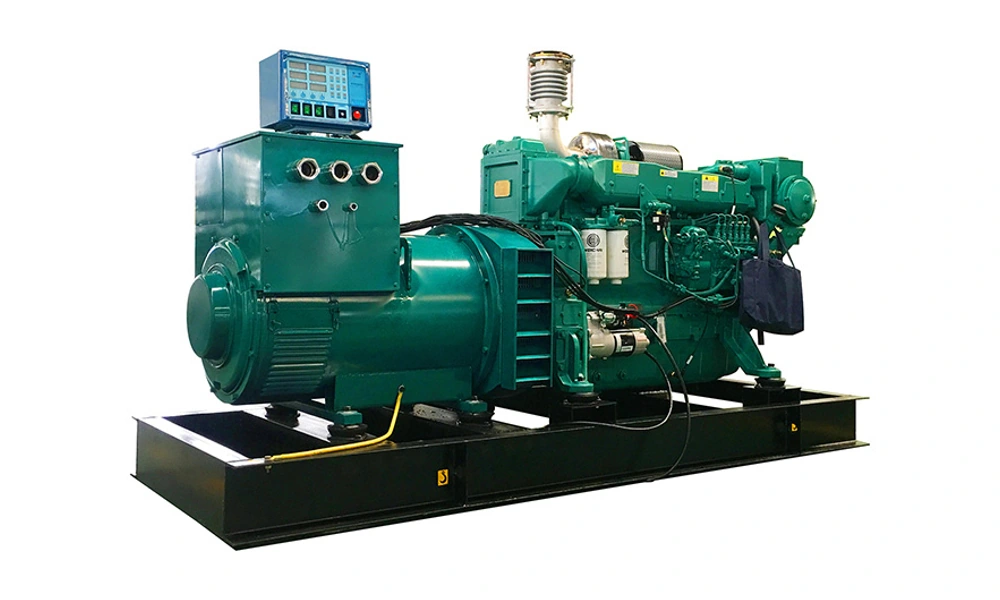
Our marine generator range includes different equipment families and arrangements. For a spares inquiry, we need to narrow those families to the equipment fitted to the vessel. The receiving team then needs a clear way to check the proposed part against that identity.
Build the list around the installed identities
The installed equipment register provides the first link. Beside the vessel tag, retain the generating-set identity and the references for its engine, alternator, controller and relevant auxiliaries.
Applicability may depend on a manufacturer’s serial number or configuration identifier. The vessel tag helps the crew find the machine; the manufacturer’s identity helps establish which parts belong to it.
Link every proposed spare to the component it serves. A description such as “fuel filter” is too broad when the vessel carries different engines or equipment revisions.
The register needs the applicable part reference and the document used to confirm it. Our Cummins marine generators are one family to discuss, but the exact installed configuration still governs the parts check.
Keep the identity chain intact when equipment changes during construction. A construction-stage equipment substitution can leave the original spares proposal behind.
Before freezing the packing list, compare its equipment references with the final supply register. An affected row then carries a specific applicability question to the responsible supplier, rather than quietly passing into the shipment with its old description.
Where the identity is still uncertain, keep the row open. A labelled nameplate photograph can help settle the identity.
Once the question is answered, carry the confirmed reference into the controlled register and link the supporting image. That leaves the next reviewer a documented answer, with the original evidence available to inspect.
Separate routine supplies from voyage contingencies
Routine consumables and contingency spares answer different questions. Routine supplies support the maintenance tasks expected under the applicable equipment instructions and operating plan. Contingency items address an agreed failure or support scenario. Combining both groups into an unexplained “recommended spares” total makes the purchasing decision difficult to review.
A routine item’s quantity should have an explanation in the applicable service requirement and operating plan. A vessel running longer between support opportunities may have different needs from one with regular access to its service team.
The number of installed sets and expected operating hours belong in that discussion too. Obtain the applicable equipment instructions before agreeing the proposed quantity.
For a contingency spare, work backwards from the proposed maintenance response. What situation justifies carrying it, and what would have to accompany the part?
Seals, tools, technical assistance or a suitable service opportunity may still be needed. The responsible maintenance team must assess the intended work; the presence of a replacement in a locker cannot settle its safety or feasibility.
Discuss these assumptions with our spare parts support team and the vessel’s responsible maintenance personnel. Keep the accepted stock visible alongside any options still under discussion. A change to the voyage or support plan then leads back to the affected rows and their quantity assumptions, making the purchasing decision reviewable.
The distinction also helps with omissions. A consumable awaiting quantity confirmation and a contingency part awaiting a technical decision have different owners and closure evidence. Give each an explicit status before purchase approval.

Resolve substitutions before the packing list is frozen
A replacement reference needs more than a supplier’s assurance that it is “the same.” Ask for the documented relationship between the original and proposed part numbers, including the installed equipment to which it applies. Retain the confirmation with the register row. Similar packaging or appearance cannot establish interchangeability.
The contents deserve a separate check when the replacement arrives as a kit. A confirmed main component can still leave an incomplete maintenance package if its required seal or fitting is absent.
Ask what the proposed kit contains, what companion items the instructions call for and which of those items the order includes. Resolve the gap while the list can still be changed.
At UleenGen, the equipment identity and existing parts references give us a useful basis for reviewing a spares inquiry. Mark any alternative as proposed until the responsible technical party confirms its applicability. Commercial approval of a price difference should remain traceable alongside the technical confirmation.
Keep the original reference visible after an approved change. Record the accepted replacement, confirmation document and affected equipment identity, then update the packing and receiving records. Otherwise the warehouse may correctly ship the new reference while the vessel team still treats it as an unexplained mismatch.
Reconcile the boxes with the agreed register
Prepare the receiving copy before the cartons arrive. Its ordered references and agreed quantities give the team a basis for a physical check; a separate received-quantity field holds the count.
The delivery note can then be reconciled to that copy, with the onboard location recorded when the item actually reaches the vessel.
|
Register field |
Receiving check |
|
Vessel tag and installed identity |
Confirm which set or auxiliary the spare serves |
|
Agreed part reference |
Match the label to the approved list or documented replacement |
|
Applicability evidence |
Link the installed identity to the confirming document or approved replacement record |
|
Unit of supply and kit contents |
Distinguish an individual item from a complete kit |
|
Agreed and received quantities |
Record the physical count and any discrepancy |
|
Package identity and condition |
Link labels, packing record and visible condition |
|
Onboard location |
Record the actual cabinet, shelf or other assigned location |
|
Exception and closure reference |
Identify the owner, action and evidence still required |
Check the unit of supply before comparing totals. The same delivery can be counted in cartons, kits or individual elements, so the agreed unit needs to travel with the quantity.
Protected packaging may constrain how the contents are verified. Agree the receiving method against the manufacturer’s preservation instructions before opening a sealed package, and document how the check was completed.
Record shortages, damaged packaging and identification differences against their register rows. Photographs can support the receipt, provided they carry the package or exception reference. Keep items awaiting identification separate from accepted stock in the records, so nobody later assumes that a counted box is an applicable spare.
Hand over storage information and usable records
Storage requirements belong to the particular item and its manufacturer instructions. Obtain the applicable preservation, handling and inspection information with the shipment.
If an item has a stated shelf life or storage inspection requirement, enter that requirement and its document reference against the stock row. Other items should not inherit the same period merely because they share a locker.
Once the shipping carton is removed, the part still needs a readable identity. An onboard label can point the crew to the register while retaining the manufacturer’s reference.
Moves between cabinets during vessel completion should be reflected in the location field, so the signed receipt describes where the crew can actually find the stock.
The documents need the same identity control as the boxes. Match parts lists and instructions to the equipment and accepted replacements.
Give the vessel team a usable copy and identify who maintains the register after delivery. A folder of mixed catalogue pages leaves the crew to reconstruct applicability when a part is needed.
An ashore receipt can support the logistics record while the onboard receipt remains open. Give each milestone its own entry and responsible receiver. At handover, identify the items still held elsewhere and the confirmed onboard locations of those the vessel team has checked.
Assign every open spares item before departure
Use the outstanding register for the final review with procurement, the receiving team and the technical contacts. An open row needs a defined discrepancy, its consequence for the agreed plan, a named action owner and the required closure evidence.
A proposed follow-up delivery stays an open arrangement until it is confirmed; an assumed lead time cannot close the shortage.
Keep “dispatched,” “received” and “accepted” as separate statuses. A tracking reference can support dispatch; acceptance still depends on checking the right item, its condition and the agreed quantity. The vessel’s responsible parties should decide how any remaining shortage affects their delivery or operating arrangements.
For a marine spares list review, send us the installed equipment identities, current register and voyage or support assumptions. Highlight unresolved substitutions and receipt differences. That gives the review a defined purpose: confirming applicability and closing specific handover gaps before the vessel team relies on the stock.


