



Свяжитесь с нами
-
3-2-1003 Software park, Weifang Hi-tech Zone, Шаньдун, Китай
- +8615095247272
- sales@uleengen.com
-


Как производители учитывают экологические факторы в моделях снижения мощности генераторов


Введение
От дизельного генератора часто ожидают стабильного электроснабжения независимо от места установки, но реальные условия редко бывают стабильными. Жара, высота над уровнем моря и качество воздуха незаметно влияют на фактическое количество получаемой полезной мощности. Именно эту разницу между номинальной и реальной выходной мощностью призвано решить снижение номинальной мощности дизельных генераторов.
На практике, производители дизельных генераторов Они не полагаются на единственную фиксированную характеристику. Они создают модели коррекции воздействия окружающей среды, чтобы дизельный генератор можно было подобрать под конкретные условия эксплуатации, а не под идеальные условия испытаний. Такие компании, как UleenGen, проектируют генераторные системы, ориентируясь на реальные условия эксплуатации, когда генератор может работать в условиях высокой влажности на побережье в один месяц, а на высотной строительной площадке — в другой.
Почему в реальных проектах существует необходимость снижения мощности дизельных генераторов?
Номинальные параметры дизель-генератора указаны на паспортной табличке и основаны на стандартных условиях (барометрическое давление [высота 110 м (361 фут)], 25 °C / 77 °F, температура воздуха на входе и относительная влажность 30 %, в соответствии с условиями ISO-3046 при давлении 100 кПа). При изменении условий окружающей среды производительность также изменяется.
1800 об/мин на высоте до 5000 футов (1500 м) и при температуре 40 ℃ без снижения мощности.
1500 об/мин, высота до 1000 м (3300 футов) и температура 40 ℃ без снижения мощности.
Для длительной работы в условиях, превышающих эти показатели, снижайте мощность на 4% на каждые 1000 футов.
(300 m)
Производители дизельных генераторов используют модели снижения мощности, чтобы предсказуемым образом отразить эти изменения. Речь идёт не о снижении производительности, а о предотвращении перегрузок и обеспечении стабильной работы.
Например, дизельный генератор Мощность дизельного генератора, рассчитанная на 200 кВА, может быть ниже в жаркой промышленной зоне внутри страны по сравнению с умеренно теплой прибрежной зоной. Именно поэтому снижение мощности дизельного генератора всегда является частью проектирования системы, а не необязательным шагом.
Какие условия окружающей среды оказывают наибольшее влияние на выработку дизельного генератора?
В реальных условиях три фактора окружающей среды постоянно проявляются в данных о производительности и полевых отчетах.
Как температура влияет на производительность дизельного генератора?
Высокая температура является одной из наиболее распространенных причин снижения производительности дизельного генератора.
При повышении температуры окружающей среды:
- Плотность воздуха снижается, уменьшая потребление кислорода.
- Эффективность охлаждения снижается.
- Тепловая нагрузка на двигатель возрастает
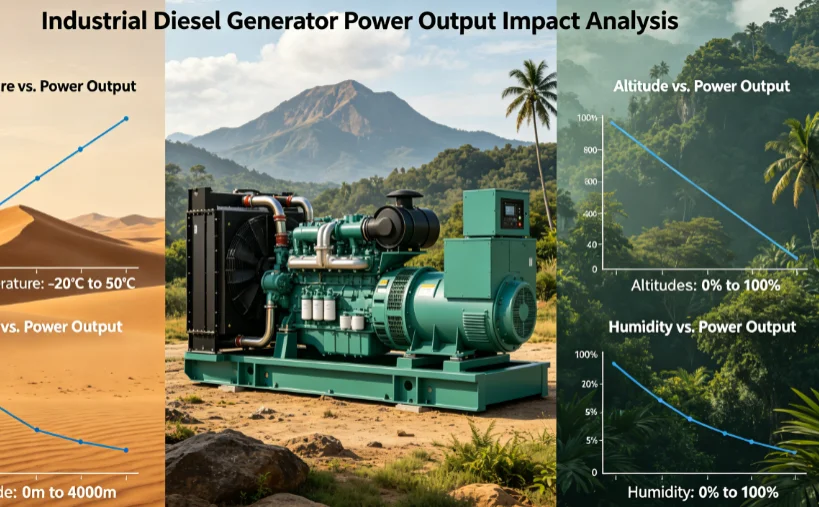
Производители дизельных генераторов обычно применяют кривые снижения мощности при повышении температуры выше определенных пороговых значений, например, от 30°C до 45°C, в зависимости от конструкции двигателя.
В реальных условиях эксплуатации операторы часто замечают, что дизельный генератор, исправно работающий утром, становится несколько нестабильным при высокой нагрузке во второй половине дня. Это не неисправность, а естественная реакция на жару.
Почему высота над уровнем моря имеет решающее значение для работы дизель-генератора?
Высота над уровнем моря оказывает более сильное воздействие, чем многие ожидают.
С увеличением высоты:
- Уровень кислорода падает
- Сгорание топлива становится менее полным.
- Мощность двигателя естественным образом снижается.
Это ключевой фактор, влияющий на производительность дизельных генераторов на большой высоте, особенно в районах добычи полезных ископаемых, при реализации инфраструктурных проектов на плато и строительстве горных дорог.
Производители дизельных генераторов часто указывают значения коррекции для каждого диапазона высот, обычно с интервалом в 500 метров. Во многих случаях снижение мощности генератора на большой высоте становится настолько значительным, что перед установкой необходимо скорректировать размеры системы.
Влияет ли влажность на производительность дизельного генератора?
Влажность оказывает меньшее, но все же измеримое влияние.
Высокий уровень влажности:
- Незначительно снизить концентрацию кислорода во всасываемом воздухе.
- Влияет на стабильность сгорания в длительных циклах работы двигателя.
- Влияние на долговременную чистоту двигателя
Хотя это и не всегда является главным фактором снижение мощности дизельного генератораОднако он по-прежнему включается в усовершенствованные модели коррекции, особенно для прибрежных или тропических районов.
Как создаются модели снижения мощности дизельных генераторов?
Производители дизельных генераторов не строят модели снижения мощности, основываясь исключительно на теории. Они полагаются на сочетание результатов испытаний и данных, полученных в полевых условиях.
Что происходит при проведении экологических исследований?
Дизельный генератор проходит испытания в контролируемых условиях, таких как:
- Высокотемпературные камеры
- Имитация высотных условий
- Непрерывная работа нагрузочного стенда
Эти испытания показывают, как выходная мощность дизельного генератора изменяется постепенно под воздействием нагрузки, а не только в одной экстремальной точке.
Как строятся корректировочные кривые?
После проведения испытаний производители преобразуют данные в практические инженерные инструменты:
- Кривые температурной коррекции
- Таблицы снижения допустимой высоты
- Комбинированные формулы экологической корректировки
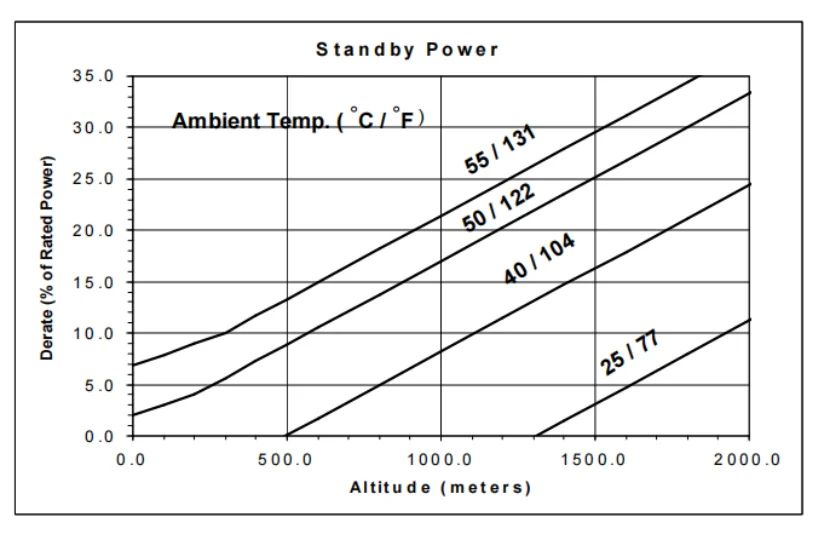
Эти инструменты широко используются в Расчет размеров генератора и снижение его мощности на этапе планирования проекта, особенно для объектов критической инфраструктуры, таких как больницы или телекоммуникационные станции.
Почему выбор мощности генератора зависит от снижения его номинальных характеристик?
Расчет мощности дизельного генератора — это не просто выбор номинального значения. Важно учитывать реальные условия эксплуатации.
Если не учитывать снижение мощности дизельного генератора:
- Генератор может работать непрерывно вблизи перегрузки.
- Стабильность напряжения и частоты может быть нарушена.
- Долгосрочный износ увеличивается быстрее, чем ожидалось.
Это особенно важно на удаленных объектах, где дизель-генераторные системы работают в течение длительного времени без перерыва.
Как производители дизельных генераторов улучшают адаптацию к экологическим условиям?
Современные производители дизельных генераторов постепенно совершенствуют свои системы, улучшая их реакцию на изменения окружающей среды.
Адаптивное управление в системах дизель-генераторов
Некоторые новые дизельные генераторные установки могут регулировать режим работы в зависимости от условий:
- Регулировка момента впрыска топлива
- Изменения в реакции системы охлаждения
- Оптимизация обработки грузов
Эти усовершенствования помогают снизить потери производительности, вызванные колебаниями температуры или высоты.
Роль проектирования, ориентированного на конкретные приложения.
В практических инженерных цепочках поставок системы, разработанные УлеенГен Основное внимание уделяется согласованию конфигураций дизельных генераторов с реальными условиями эксплуатации. Различные варианты двигателей позволяют лучше согласовать выходную мощность с такими факторами окружающей среды, как высота над уровнем моря и температура.
В реальных условиях резервного электроснабжения в строительстве или промышленности подобная конфигурация часто важнее номинальной мощности, указанной на паспортной табличке, поскольку она снижает риск снижения производительности после установки.
Вывод
Производители дизельных генераторов учитывают факторы окружающей среды в моделях снижения номинальной мощности, чтобы обеспечить надежность в реальных условиях. Температура, высота над уровнем моря и влажность влияют на работу дизельного генератора вне идеальных условий.
Снижение мощности дизельного генератора не является ограничением самой машины, а представляет собой реалистичный способ подбора энергосистемы к условиям, в которых она фактически работает. Правильное использование этих моделей обеспечивает стабильную работу, более обоснованные решения по выбору мощности и меньшее количество неожиданных проблем с электроснабжением в полевых условиях.
Часто задаваемые вопросы
В1: Что означает снижение мощности дизельного генератора на практике?
А: Речь идёт о регулировании выходной мощности дизель-генератора в зависимости от реальных условий окружающей среды, таких как температура и высота над уровнем моря.
В2: Почему дизельный генератор теряет мощность на большой высоте?
А: Низкий уровень кислорода снижает эффективность сгорания, что приводит к уменьшению мощности двигателя.
Вопрос 3: Насколько важна температура для работы дизельного генератора?
А: Это очень важно, поскольку высокая температура снижает эффективность охлаждения и плотность притока воздуха.
Вопрос 4: Все ли производители дизельных генераторов используют модели с уменьшенной номинальной мощностью?
А: Большинство профессиональных производителей дизельных генераторов используют корректирующие кривые или таблицы для точного подбора размеров.
В5: Что произойдет, если не учитывать снижение мощности дизельного генератора?
А: Система может быть недостаточно мощной, что приведет к перегрузке, нестабильности и сокращению срока службы оборудования.


