



اتصل بنا
-
3-2-1003 حديقة البرمجيات ، منطقة ويفانغ للتكنولوجيا العالية ، شاندونغ ، الصين
- +8615095247272
- sales@uleengen.com
-


كيف يدمج المصنعون العوامل البيئية في نماذج خفض قدرة المولدات


مقدمة
يُتوقع عادةً من مولدات الديزل توفير طاقة مستقرة بغض النظر عن مكان تركيبها، لكن الظروف الواقعية نادراً ما تكون مستقرة. فالحرارة والارتفاع وجودة الهواء تُغير بهدوء مقدار الطاقة المُتاحة فعلياً. هذا الفرق بين الطاقة المُصنّفة والطاقة الفعلية هو ما صُممت مولدات الديزل لتقليل طاقتها لحلّه.
عملياً، مصنعي مولدات الديزل لا تعتمد هذه الشركات على تصنيف ثابت واحد، بل تبني نماذج تصحيح بيئية لمطابقة مولد الديزل مع الموقع بدلاً من ظروف الاختبار المثالية. وتقوم شركات مثل UleenGen بتصميم أنظمة المولدات وفقًا لبيئات التشغيل الحقيقية، حيث قد يعمل المولد في رطوبة ساحلية في شهر، وفي مواقع بناء على ارتفاعات شاهقة في الشهر التالي.
لماذا يتم تطبيق تخفيض قدرة مولدات الديزل في المشاريع الحقيقية؟
تُحدد قيمة لوحة بيانات مولد الديزل بناءً على الظروف القياسية (الضغط الجوي [ارتفاع 110 أمتار (361 قدمًا)]، ودرجة حرارة 25 درجة مئوية / 77 درجة فهرنهايت، ودرجة حرارة مدخل الهواء، ورطوبة نسبية 30%، وفقًا لشروط ISO-3046 عند ضغط 100 كيلو باسكال). وبمجرد تغير الظروف البيئية، يتغير الأداء تبعًا لذلك.
1800 دورة في الدقيقة حتى 5000 قدم (1500 متر) و 40 درجة مئوية بدون انخفاض في الطاقة.
1500 دورة في الدقيقة حتى 3300 قدم (1000 متر) و 40 درجة مئوية بدون انخفاض في الطاقة.
لضمان التشغيل المستدام في ظل هذه الظروف، يجب تخفيض القدرة بنسبة 4% لكل 1000 قدم.
(300 m)
يستخدم مصنّعو مولدات الديزل نماذج خفض قدرة مولدات الديزل لتعكس هذه التغييرات بطريقة يمكن التنبؤ بها. لا يتعلق الأمر بتقليل القدرة، بل بتجنب التحميل الزائد والحفاظ على استقرار التشغيل.
على سبيل المثال، أ مولد الديزل قد لا يُنتج مولد الديزل ذو القدرة المقدرة بـ 200 كيلو فولت أمبير نفس الطاقة في منطقة صناعية داخلية حارة مقارنةً بموقع ساحلي معتدل. لهذا السبب، يُعدّ خفض قدرة مولد الديزل جزءًا أساسيًا من تصميم النظام، وليس خطوة اختيارية.
ما هي الظروف البيئية التي تؤثر بشكل أكبر على إنتاجية مولدات الديزل؟
في التطبيقات العملية، تظهر ثلاثة عوامل بيئية مرارًا وتكرارًا في بيانات الأداء والتقارير الميدانية.
كيف تؤثر درجة الحرارة على أداء مولد الديزل؟
تُعد درجة الحرارة المرتفعة أحد أكثر الأسباب شيوعاً لانخفاض إنتاجية مولد الديزل.
عند ارتفاع درجة الحرارة المحيطة:
- تنخفض كثافة الهواء، مما يقلل من كمية الأكسجين المتناولة.
- تصبح كفاءة التبريد أضعف
- يزداد الإجهاد الحراري للمحرك
عادةً ما يقوم مصنعو مولدات الديزل بتطبيق منحنيات تخفيض درجة الحرارة فوق عتبات معينة مثل 30 درجة مئوية إلى 45 درجة مئوية اعتمادًا على تصميم المحرك.
أثناء الاستخدام الفعلي، يلاحظ المشغلون غالبًا أن مولد الديزل الذي يعمل بسلاسة في الصباح يصبح غير مستقر قليلاً تحت ضغط الحمل العالي في فترة ما بعد الظهر. هذا ليس عطلاً، بل هو استجابة طبيعية لظروف الحرارة.
لماذا يُعد الارتفاع عاملاً حاسماً في تشغيل مولدات الديزل؟
للارتفاع تأثير أقوى مما يتوقعه الكثيرون.
مع ازدياد الارتفاع:
- تنخفض مستويات الأكسجين
- يصبح احتراق الوقود أقل اكتمالاً
- يتناقص ناتج المحرك بشكل طبيعي
يُعد هذا عاملاً رئيسياً في أداء مولدات الديزل على ارتفاعات عالية، وخاصة في مناطق التعدين، ومشاريع البنية التحتية للهضاب، وبناء الطرق الجبلية.
غالباً ما توفر شركات تصنيع مولدات الديزل قيم تصحيح لكل نطاق ارتفاع، عادةً كل 500 متر. في كثير من الحالات، يصبح انخفاض قدرة المولد على الارتفاعات العالية كبيراً لدرجة تستدعي تعديل حجم النظام قبل التركيب.
هل تؤثر الرطوبة على إنتاجية مولدات الديزل؟
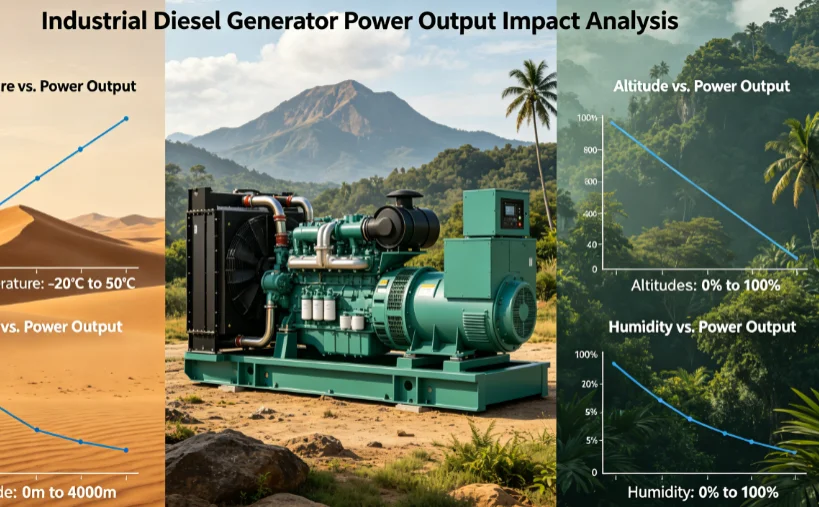
للرطوبة تأثير أصغر ولكنه لا يزال قابلاً للقياس.
مستويات رطوبة عالية:
- قلل تركيز الأكسجين في هواء السحب قليلاً
- يؤثر على استقرار الاحتراق في دورات التشغيل الطويلة
- يؤثر على نظافة المحرك على المدى الطويل
مع أنه ليس دائماً العامل الرئيسي في تخفيض قدرة مولد الديزل، ولا يزال مدرجًا في نماذج التصحيح المتقدمة، وخاصة بالنسبة للبيئات الساحلية أو الاستوائية.
كيف يتم إنشاء نماذج تخفيض قدرة مولدات الديزل؟
لا يعتمد مصنعو مولدات الديزل على النظرية وحدها في بناء نماذج خفض القدرة، بل يعتمدون على مزيج من الاختبارات والبيانات الميدانية.
ماذا يحدث في الاختبارات البيئية؟
يتم اختبار مولد الديزل في ظل ظروف محكمة مثل:
- غرف ذات درجة حرارة عالية
- بيئات محاكاة الارتفاع
- تشغيل بنك الأحمال المستمر
تُظهر هذه الاختبارات كيف يتغير خرج مولد الديزل تدريجياً تحت الضغط، بدلاً من أن يحدث ذلك عند نقطة قصوى واحدة فقط.
كيف يتم تطوير منحنيات التصحيح؟
بعد إجراء الاختبارات، يقوم المصنعون بتحويل البيانات إلى أدوات هندسية عملية:
- منحنيات تصحيح درجة الحرارة
- جداول تخفيض الارتفاع
- صيغ التكيف البيئي المجمعة
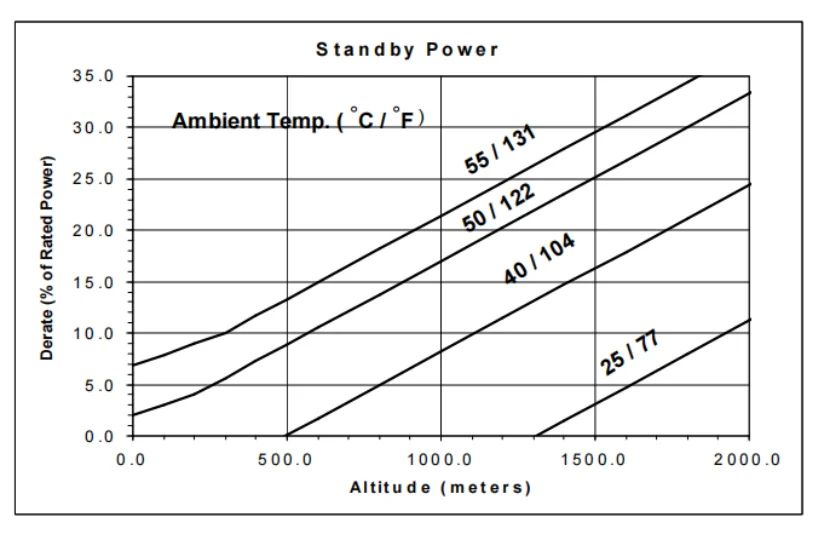
تُستخدم هذه الأدوات على نطاق واسع في حساب حجم المولد وتخفيض قدرته أثناء تخطيط المشاريع، وخاصة للبنية التحتية الحيوية مثل المستشفيات أو محطات الاتصالات.
لماذا يعتمد تحديد حجم المولد على خفض القدرة؟
لا يقتصر تحديد حجم مولد الديزل على اختيار قيمة الطاقة المقدرة فحسب، بل يتعلق أيضاً بمطابقة ظروف الموقع الفعلية.
في حال تجاهل تخفيض قدرة مولد الديزل:
- قد يعمل المولد بشكل مستمر بالقرب من الحمل الزائد
- قد تتأثر استقرارية الجهد والتردد
- يزداد التآكل على المدى الطويل بوتيرة أسرع من المتوقع
يصبح هذا الأمر بالغ الأهمية بشكل خاص في المواقع النائية حيث تعمل أنظمة مولدات الديزل لساعات طويلة دون انقطاع.
كيف يُحسّن مصنّعو مولدات الديزل التكيف البيئي؟
يعمل مصنعو مولدات الديزل الحديثة تدريجياً على تحسين كيفية استجابة الأنظمة للتغيرات البيئية.
التحكم التكيفي في أنظمة مولدات الديزل
تستطيع بعض مجموعات مولدات الديزل الحديثة تعديل سلوك التشغيل بناءً على الظروف:
- ضبط توقيت حقن الوقود
- تغيرات استجابة نظام التبريد
- تحسين معالجة الأحمال
تساعد هذه التحسينات في تقليل فقدان الأداء الناتج عن تغيرات درجة الحرارة أو الارتفاع.
دور التصميم الهندسي القائم على التطبيقات
في سلاسل التوريد الهندسية العملية، الأنظمة المصممة بواسطة أولين جين التركيز على مطابقة تكوينات مولدات الديزل مع ظروف الموقع الفعلية. تتيح الخيارات المختلفة القائمة على المحركات توافقًا أفضل بين قدرة الإنتاج والعوامل البيئية مثل الارتفاع ودرجة الحرارة.
في سيناريوهات البناء الحقيقية أو سيناريوهات النسخ الاحتياطي الصناعية، غالبًا ما يكون هذا النوع من التكوين أكثر أهمية من طاقة اللوحة الاسمية، لأنه يقلل من خطر انخفاض الأداء بعد التثبيت.
استنتاج
يُدمج مصنّعو مولدات الديزل العوامل البيئية في نماذج خفض القدرة لضمان موثوقية المولد في ظروف التشغيل الفعلية. فدرجة الحرارة والارتفاع والرطوبة تؤثر جميعها على أداء مولد الديزل خارج الظروف المثالية.
إن خفض قدرة مولدات الديزل ليس قيداً على الآلة، بل هو طريقة واقعية لمواءمة أنظمة الطاقة مع البيئات التي تعمل فيها فعلياً. ويضمن الاستخدام السليم لهذه النماذج أداءً مستقراً، وقرارات أفضل بشأن الحجم، وتقليل مشاكل الطاقة غير المتوقعة في الميدان.
أسئلة متكررة
س1: ماذا يعني تخفيض قدرة مولد الديزل في الاستخدام العملي؟
ج: يشير ذلك إلى تعديل خرج مولد الديزل بناءً على الظروف البيئية الحقيقية مثل درجة الحرارة والارتفاع.
س2: لماذا يفقد مولد الديزل طاقته على ارتفاعات عالية؟
ج: انخفاض مستويات الأكسجين يقلل من كفاءة الاحتراق، مما يؤدي إلى انخفاض الإنتاج.
س3: ما مدى أهمية درجة الحرارة في أداء مولدات الديزل؟
ج: مهم جداً، لأن ارتفاع درجة الحرارة يقلل من كفاءة التبريد وكثافة الهواء الداخل.
س4: هل يستخدم جميع مصنعي مولدات الديزل نماذج تخفيض القدرة؟
ج: يستخدم معظم مصنعي مولدات الديزل المحترفين منحنيات تصحيح أو جداول لتحديد الحجم بدقة.
س5: ماذا يحدث إذا تم تجاهل تخفيض قدرة مولد الديزل؟
ج: قد يكون النظام صغير الحجم، مما يؤدي إلى زيادة الحمل وعدم الاستقرار وتقليل عمر المعدات.


