



Свяжитесь с нами
-
3-2-1003 Software park, Weifang Hi-tech Zone, Шаньдун, Китай
- +8615095247272
- sales@uleengen.com
-


Руководство по размерам дизельного генератора: выберите правильный генератор


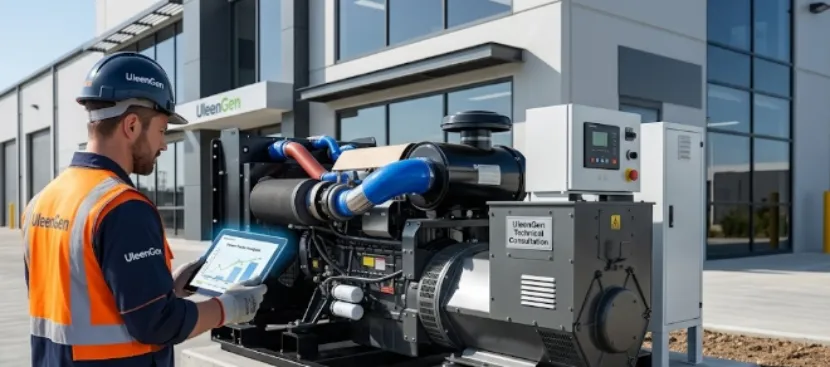
Покупка генератора звучит просто, пока вам не придется жить с результатом. Если генератор слишком маленький, он может испытывать трудности при запуске насоса, воздушного компрессора или HVAC. Если он слишком большой, вы можете заплатить больше заранее, сжигать больше топлива, чем ожидалось, и запускать набор слишком легко в течение длительного периода времени. Вот почему Размер дизельного генератора так важно. Хороший размер коммерческого дизельного генератора действительно относится к соответствию машины тому, как ваш сайт действительно работает, а не только к числу на листе цитат.
Если посмотреть на UleenGen, компания представляет себя как производитель интеллектуальных генераторов с 2011 года, с техническими консультациями, обучением, установкой и техническим обслуживанием. На сайте также указан широкий ассортимент продукции от 10 кВА до 3000 кВА, экспорт в более чем 70 стран и регионов, а также цель обслуживания в течение 12 часов с бесплатной технической поддержкой на протяжении всего срока службы. Это важно в работе по размерам, потому что вы покупаете не только металл и двигатель. Вы покупаете советы, конфигурацию и послепродажную помощь, когда список загрузки оказывается более беспорядочным, чем ожидалось, что обычно происходит.
Почему дизельный генератор имеет значение?
Прежде чем посмотреть на кВт и кВА, помогает начать с реального риска. Большинство ошибок в размере происходят потому, что люди суммируют легкие нагрузки и забывают о неприятных. Сервер выглядит серьезно. Двигатель, который сильно ударяется при запуске, часто является настоящим причинителем проблем.
Что происходит, если генератор слишком маленький?
Недостаточный генератор может нести ваши огни просто хорошо и все еще отказываться, когда двигатель запускается. Это классическая проблема загрузки генератора. Ваша рабочая нагрузка может выглядеть безопасной на бумаге, но начальный ток может вызвать падение напряжения, сигнализацию перегрузки или нестабильный выход. На практике вы получаете худший вид резервного питания: генератор, который технически включен, но на самом деле не помогает.
Что происходит, если генератор слишком большой?
Дизельные генераторы достигают оптимальной топливной эффективности при скорости нагрузки от 70% до 80%. При непрерывной работе при нагрузке ниже 30-40% топливо не только полностью не сгорает, но и накапливается углеродные отложения, что приводит к значительному увеличению расхода топлива. Следовательно, генератор мощностью 500 кВт с нагрузкой 100 кВт может фактически потреблять больше топлива, чем специализированный генератор мощностью 100 кВт.
Резервные мощности должны быть разумными, а не чрезмерными. На УлеенГенНа текущей странице дизельного генератора, перечисленный расход топлива увеличивается с 4,9 л/ч при 25 кВА до 59 л/ч при 300 кВА. Так что да, размер влияет на ваш ежемесячный счет за топливо очень прямым образом.
Какие нагрузки нужно считать в первую очередь?
Именно здесь многие покупатели принимают решение умно или плохо. Вам не нужно подключать каждую розетку в здании. Вам нужно подключать нагрузки, которые держат сайт живым, безопасным и способным восстанавливаться, когда сеть откажется.
Начните с обязательных нагрузок
Для дизельного генератора для бизнеса начните с того, что не может остановиться: освещение ключевых зон, серверное или телекоммуникационное оборудование, системы безопасности, насосы, холодильное оборудование и части HVAC или производства, которые защищают запасы или держат операции в движении. Оставьте хорошие грузы на позднее. Только один шаг часто меняет размер дизельного генератора больше, чем любой калькулятор. Страница дизельного генератора UleenGen построена вокруг режима ожидания и резервного использования, что соответствует такому подходу к критической нагрузке.
Почему нужно разделять запускную нагрузку и загрузку генератора?
Потому что они не одинаковы, даже не близки. Насос может выглядеть скромным, как только он работает, и все еще сильно ударить, когда он запускается. То же самое касается воздушных компрессоров, некоторых вентиляторов и оборудования для охлажденной воды. Вот почему загрузка генератора должна быть указана отдельно от непрерывного спроса. Это звучит беспокойно, может быть, немного раздражает, но это спасает вас от покупки генератора, который работает именно тогда, когда вам это больше всего нужно.
Как совместно работают кВт, кВА и резервная маржа?
Как только ваш список загрузки будет честным, следующим шагом будет превращение его в размер машины. Это часть, которую покупатели часто спешат, затем сожалеют. Математика не сложна, но предположения должны быть правильными.
Почему математика генератора кВА против кВт до сих пор путает покупателей?
Возникает проблема генератора кВА против кВт, потому что генераторы обычно номинализуются в кВА, в то время как ваша используемая мощность связана с кВт и коэффициентом мощности. Справочник ясно говорит: видимая мощность не та же, что и реальная мощность. Поэтому, когда котировка выглядит достаточно большой в кВА, она все еще может оказаться короткой в реальном использовании. Вот почему Размер коммерческого дизельного генератора Всегда следует проверять обе цифры, а не одну.
Сколько Headroom добавить?
Для большинства проектов, Размер генератора в режиме ожидания Включает в себя маржу безопасности. Справочник дает общую рекомендацию примерно на 20-30 процентов выше расчетной нагрузки. Эта дополнительная комната помогает в будущем расширении, снижении температуры или высоты, и те странные дни, когда больше оборудования включено, чем кто-либо планировал. Разумная маржа хороша. Слепое переувеличение нет.
Какие электрические детали могут нарушить хороший план размеров?
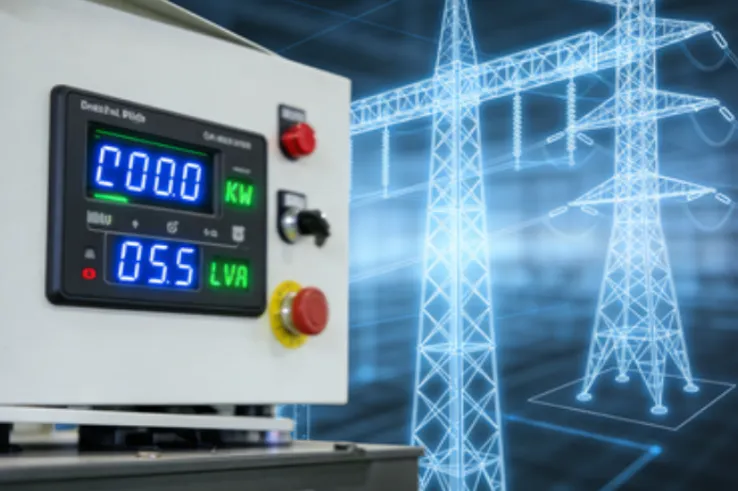
Многие проекты проваливаются здесь, тихо. Общая нагрузка может быть правильной, но набор все еще неправилен для сайта, потому что выбор фазы, напряжения, частоты или корпуса не соответствует реальной работе.
Фаза, напряжение и частота действительно важны?
- Да. - Да. Они достаточно важны, чтобы разрушить иначе правильный выбор. В справочном руководстве говорится, что генератор должен соответствовать электрической установке объекта. UleenGen перечисляет несколько вариантов напряжения, включая 220В, 380В, 400В, 415В, 440В, 460В и 480В, плюс однофазные и трехфазные конфигурации, наряду с спецификациями 50 Гц и 60 Гц. Если ваш сайт является трехфазным, и вы покупаете неправильную настройку, никакое умное решение не сделает это хорошей покупкой.
Вы должны выбрать открытый, тихий или ATS варианты?
Иногда правильный дизельный генератор для бизнеса – это не только мощность. Речь идет о том, где будет сидеть набор и как он будет переключаться. UleenGen предлагает генераторы открытого типа, тихого типа и мобильного типа прицепа, а также перечисляет ATS, удаленный мониторинг и синхронизацию в качестве вариантов. Если шум является проблемой вблизи офисов, домов или границ объекта, генератор тихого типа имеет больше смысла. Если вам нужно передавать электроэнергию автоматически во время сбоя, дизельный генератор с ATS лучше подходит, и на сайте есть специальный раздел шкафа ATS для этого.
Как сделать дизельный генератор легче?
Вам не нужно превращать это в инженерную диссертацию. Короткого, дисциплинированного процесса обычно достаточно, чтобы быстро сузить диапазон и избежать распространенных ошибок.
Может ли калькулятор размера дизельного генератора дать вам окончательный ответ?
Калькулятор размеров дизельного генератора полезен для первого прохода. Он помогает вам общую рабочую нагрузку и обнаружить очевидные пробелы. Но он не знает последовательности запуска, температуру окружающей среды, пространство установки или будущий план расширения. Используйте его, чтобы приблизиться, а затем проверьте результат на реальных условиях сайта. Это особенно верно для размеров резервного генератора, где комплект может сидеть тихо в течение месяцев, а затем внезапно нужно нести всю критическую нагрузку сразу.
Как выглядит быстрый пример в реальном мире?
Предположим, что на вашем сайте есть освещение, серверы, один насос для воды и часть HVAC, которая должна оставаться включена. Ваша рабочая нагрузка может указать вас на один диапазон, но запуск насоса и проникновение HVAC могут подтолкнуть вас выше. По текущим спецификациям UleenGen, линейка продуктов работает от 10 кВА до 3000 кВА на этой странице, со стандартными тяжелыми базовыми рамами, топливным баком от 8 до 24 часов, функциями защиты и отключения сигнализации и дополнительными функциями дистанционного монитора. Поэтому правильным ответом редко является «купить самый дешевый комплект, который покрывает среднюю нагрузку». Лучший размер дизельного генератора спрашивает, что начинается, что должно оставаться на, и что вы можете добавить в следующем году.
Часто задаваемые вопросы
Q1: Как вы начинаете размер дизельного генератора для малого бизнеса?
Ответ: Начните только с критических нагрузок. Перечислите, что должно оставаться во время сбоя, а затем отделите рабочую нагрузку от спроса на запуск. Это дает вам лучшее первое число, чем добавление каждого устройства в здании.
Q2: Почему загрузка генератора настолько важна?
Ответ: Потому что двигатели, насосы и компрессоры могут получать гораздо больше энергии при запуске, чем во время обычной работы. Генератор, который выглядит достаточно большой на бумаге, все еще может отказаться, когда эти нагрузки вступают.
Q3: Какова разница в генератор кВА vs кВт Рейтинг?
А: кВА — видимая мощность. КВт – это реальная мощность. Вам нужны обе цифры для измерения звука, особенно в коммерческих и промышленных работах.
Q4: Когда вы должны выбрать дизельный генератор с ATS?
Ответ: Выберите дизельный генератор с АТС, когда ручное переключение слишком медленно или рисковано, особенно для участков, которые нуждаются в автоматическом резервном копировании во время перебоев. UleenGen перечисляет ATS как стандартную пару, так и опциональное решение для шкафов, в зависимости от конфигурации.
Q5: Может ли калькулятор размера дизельного генератора заменить обзор поставщика?
О: Нет. Калькулятор размера дизельного генератора хорош для грубого планирования, но окончательный выбор все же должен проверять напряжение, фазу, частоту, загрузку нагрузок, условия площадки и будущий рост.


