



Свяжитесь с нами
-
3-2-1003 Software park, Weifang Hi-tech Zone, Шаньдун, Китай
- +8615095247272
- sales@uleengen.com
-


Описание дизельных генераторов, изготовленных на заказ: от выходной мощности до корпусов и систем управления.


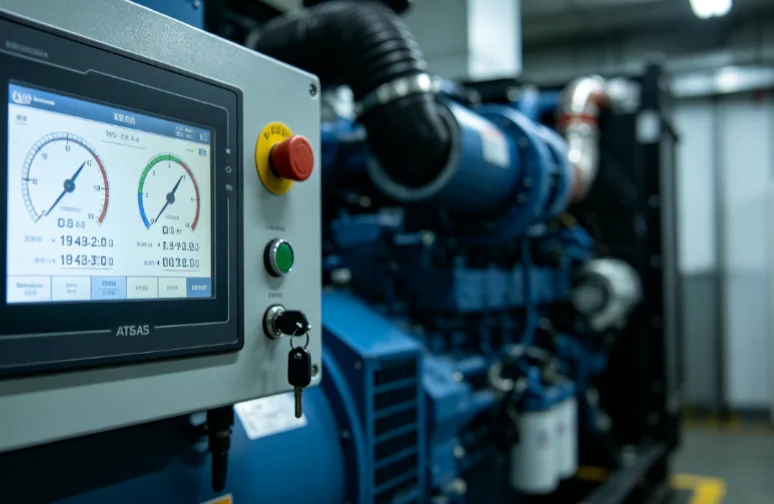
Дизельные генераторы, изготовленные на заказ. Это не просто стандартные машины с новой покраской. Для многих покупателей главная проблема проста: выдержит ли генератор нагрузку при отключении электроэнергии? Подойдет ли он для данного места? Не будет ли он слишком шумным? Будет ли работать система управления без постоянной проверки? Это практические вопросы, особенно когда отключение электроэнергии может остановить работу мастерской, испортить холодильный склад или закрыть небольшую клинику.
UleenGen — профессиональный производитель интеллектуальных генераторных установок с опытом работы в отрасли, насчитывающим более 20 лет. Компания занимается производством генераторных установок, техническим консультированием, обучением, установкой и техническим обслуживанием. Она также заявляет, что её генераторы поставляются по всему миру, а площадь производственных площадей составляет более 20 000 квадратных метров, продукция поставляется в более чем 70 стран и регионов. Для покупателя это означает не только приобретение дизельных генераторов, но и сервисную поддержку, инженерные консультации и более комплексный подход к проекту.
Что такое дизельные генераторы, изготовленные на заказ?
Прежде чем выбрать дизельный генератор, необходимо понять, что на самом деле означает «индивидуальный заказ». Речь идёт не о том, чтобы генератор выглядел иначе, а о том, чтобы система соответствовала вашей нагрузке, времени работы, месту установки, топливному режиму, ограничениям по уровню шума и местным потребностям проекта.
Реальная нагрузка — на первом месте.
Для создания специализированной дизельной генераторной установки необходимо необходимое оборудование. Небольшому продуктовому магазину могут потребоваться холодильники, освещение, платежные терминалы и камеры видеонаблюдения. Заводу же могут понадобиться насосы, компрессоры, электродвигатели и производственные линии. Эти нагрузки ведут себя по-разному. Некоторые запускаются плавно, другие потребляют большой ток в течение нескольких секунд. Если выбирать генератор только по цене, он может отключиться именно в тот момент, когда запускается самый мощный двигатель.
Стандарт ГенсетВозможно, не подойдёт для каждого сайта.
Стандарт дизельные генераторы Они хорошо подходят для простых задач резервного питания. Но на некоторых объектах могут быть сложные условия. Узкое котельное помещение, объект на крыше, пыльная строительная площадка или удаленная телекоммуникационная станция могут потребовать другого корпуса, топливного бака, схемы прокладки кабелей или шкафа управления. Именно здесь специализированные дизельные генераторы становятся более целесообразными.
Как выбрать подходящую мощность дизельного генератора?
Обычно первым делом проверяют выходную мощность, и это правильно. Слишком низкая мощность означает риск перегрузки. Слишком высокая — больший расход топлива и плохие условия эксплуатации. Правильный выбор находится посередине, исходя из реальных потребностей и некоторого планирования на будущее.
Диапазон мощности должен соответствовать размеру участка.
На странице UleenGen, посвященной диапазонам мощности дизельных генераторов, указаны категории 10-200 кВА, 220-500 кВА, 500-1000 кВА и 1000-3750 кВА. Это помогает отсортировать варианты в зависимости от масштаба проекта. Небольшой фермерский хозяйств может рассмотреть вариант с меньшей мощностью (в кВА). Коммерческому зданию может потребоваться резервный дизельный генератор средней мощности. Крупный промышленный дизельный генератор может относиться к более высокому диапазону, если необходимо обеспечить бесперебойную работу двигателей, подъемников или производственных линий.
Начало текущих дел
Рабочая нагрузка — это ещё не вся история. Насосам, чиллерам, лифтам и воздушным компрессорам часто требуется гораздо больший пусковой ток. Например, резервная система в отеле может выглядеть нормально на бумаге, пока лифт и водяной насос не запустятся почти одновременно. Хороший план дизель-генераторной установки учитывает последовательность запуска, пиковую нагрузку, напряжение, частоту и планируемое оборудование. Скучные детали, да, но они позволяют избежать дорогостоящих проблем в будущем.
Что ещё, помимо мощности, можно персонализировать?
После того, как электроснабжение обеспечено, следующими вопросами обычно становятся шум, погода, время работы и пространство. Эти детали влияют на повседневное использование больше, чем многие ожидают. Никто не хочет генератор, который хорошо работает, но раздражает всех соседей на улице.
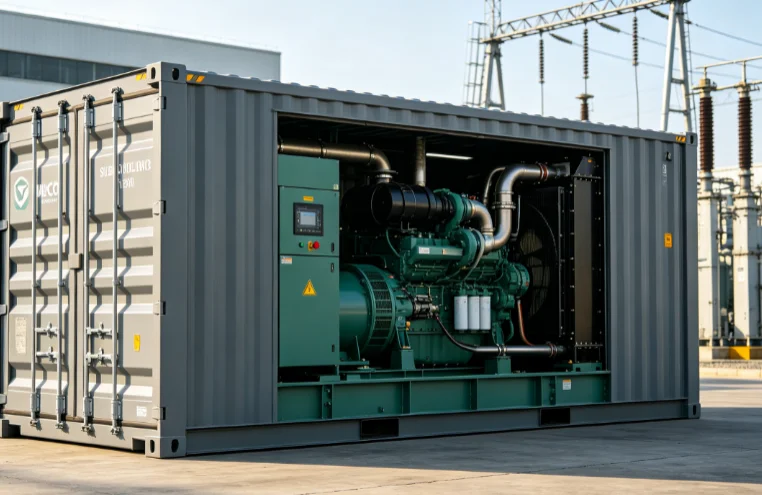
Варианты ограждений
УлеенГен В категории «Конструкции генераторов» перечислены варианты генераторных установок открытого типа, бесшумных генераторов, генераторов на мобильных прицепах и контейнерных генераторов. Дизель-генераторная установка открытого типа подходит для закрытых машинных помещений с надлежащей вентиляцией. Бесшумный дизель-генератор лучше подходит для школ, офисов, клиник и жилых районов. Контейнерный дизель-генератор полезен на промышленных объектах, расположенных на открытом воздухе, где важны защита от непогоды и простота в обращении.
Топливный бак и время работы
Время работы от аккумулятора — ещё один ключевой момент. Резервному генератору для магазина может потребоваться всего несколько часов работы. На удалённом объекте может потребоваться гораздо больше времени, поскольку заправка медленная или дорогая. Дизельные генераторы, изготовленные на заказ, могут быть спроектированы с учётом подходящего топливного бака, контроля уровня топлива и более безопасного доступа для заправки. В дождливую ночь это дополнительное время работы от аккумулятора кажется очень практичным, а не излишним.
Как системы управления влияют на дизельные генераторы?
Одного мощного двигателя недостаточно. Система управления дизель-генератором определяет, как генератор запускается, обеспечивает самозащиту, посылает сигналы тревоги и взаимодействует с вашей электросистемой. Для многих пользователей именно здесь управление машиной становится либо простым, либо раздражающим.
АТС и автоматический запуск
Дизель-генераторная установка с автоматическим переключением нагрузки (ATS) может запускаться автоматически при отключении электроэнергии из сети и переключать нагрузку без ручного вмешательства. Представьте себе небольшой супермаркет. При отключении электроэнергии необходимо быстро восстановить работу морозильных камер, освещения и кассовых аппаратов. Автоматическое переключение помогает сократить потери продукции и неудобства для покупателей.
Удаленный мониторинг и параллельное использование
Дистанционный мониторинг генератора позволяет отображать часы работы, напряжение, ток, температуру, давление масла, состояние батареи и сигналы тревоги. Для крупных проектов шкафы синхронизации помогают нескольким генераторным установкам распределять нагрузку. Это полезно, когда спрос возрастает в рабочее время и падает ночью. Это также обеспечивает более гибкое время для технического обслуживания.
Где обычно используются дизельные генераторы, изготовленные на заказ?
На разных объектах возникают разные проблемы. Дизель-генератор для заводского использования должен обеспечивать запуск двигателя. Дизель-генератор для резервного питания в больнице должен быть стабильным и готовым к работе. Дизель-генератор для строительных площадок может нуждаться в мобильности, защите от пыли и легком доступе к топливу.
Примеры из повседневной жизни и работы
В сельской клинике резервный дизельный генератор может обеспечить работу освещения, основного медицинского оборудования и холодильных установок во время отключений электроэнергии. На строительной площадке генератор на прицепе может перемещаться в зависимости от изменений на объекте. В ресторане или пекарне дизельные генераторы могут защитить холодильное оборудование, печи, вытяжные вентиляторы и платежные системы. Лучший выбор — не всегда самый большой генератор. Лучший выбор — тот, который соответствует поставленной задаче.
Что нужно подготовить перед покупкой?
Подготовьте список нагрузок, напряжение, частоту, часы работы, фотографии объекта, требования к уровню шума и целевое время работы. Если вы сравниваете... дизельный генераторОбратитесь за консультацией, основанной на реальных условиях на объекте, а не только на прайс-листе.
Часто задаваемые вопросы
В1: Чем отличаются дизельные генераторы, изготовленные на заказ, от стандартных моделей?
А: Дизельные генераторы, изготовленные на заказ, проектируются с учетом вашей нагрузки, площади площадки, допустимого уровня шума, времени работы от топлива, типа корпуса и потребностей в управлении. Стандартные модели имеют более фиксированные характеристики.
В2: Как выбрать подходящую мощность дизельного генератора?
А: Проверьте рабочую нагрузку, пусковой ток, пиковую нагрузку, напряжение, частоту и возможности расширения в будущем. Двигатели и насосы требуют особого внимания.
Вопрос 3: Стоит ли покупать бесшумный дизельный генератор?
А: Да, если генератор работает рядом с домами, школами, офисами, клиниками или магазинами. Более низкий уровень шума может уменьшить количество жалоб и упростить повседневную эксплуатацию.
Вопрос 4: Когда следует выбирать контейнерный дизельный генератор?
А: Выбирайте его для больших открытых площадок, суровых погодных условий, частых перевозок или проектов, требующих лучшей защиты и более простой установки.
В5: Всем ли дизельным генераторам необходим автоматический пусковой генератор (АТС)?
А: Не всегда. Но для резервного электропитания автоматический переключатель режимов (ATS) очень полезен, поскольку позволяет автоматически запускать и переключать питание при отключении электросети.


