



Свяжитесь с нами
-
3-2-1003 Software park, Weifang Hi-tech Zone, Шаньдун, Китай
- +8615095247272
- sales@uleengen.com
-


Обеспечение бесперебойного электропитания для центров обработки данных с использованием ИИ: когда следует использовать микросети на природном газе и дизельные резервные источники питания?


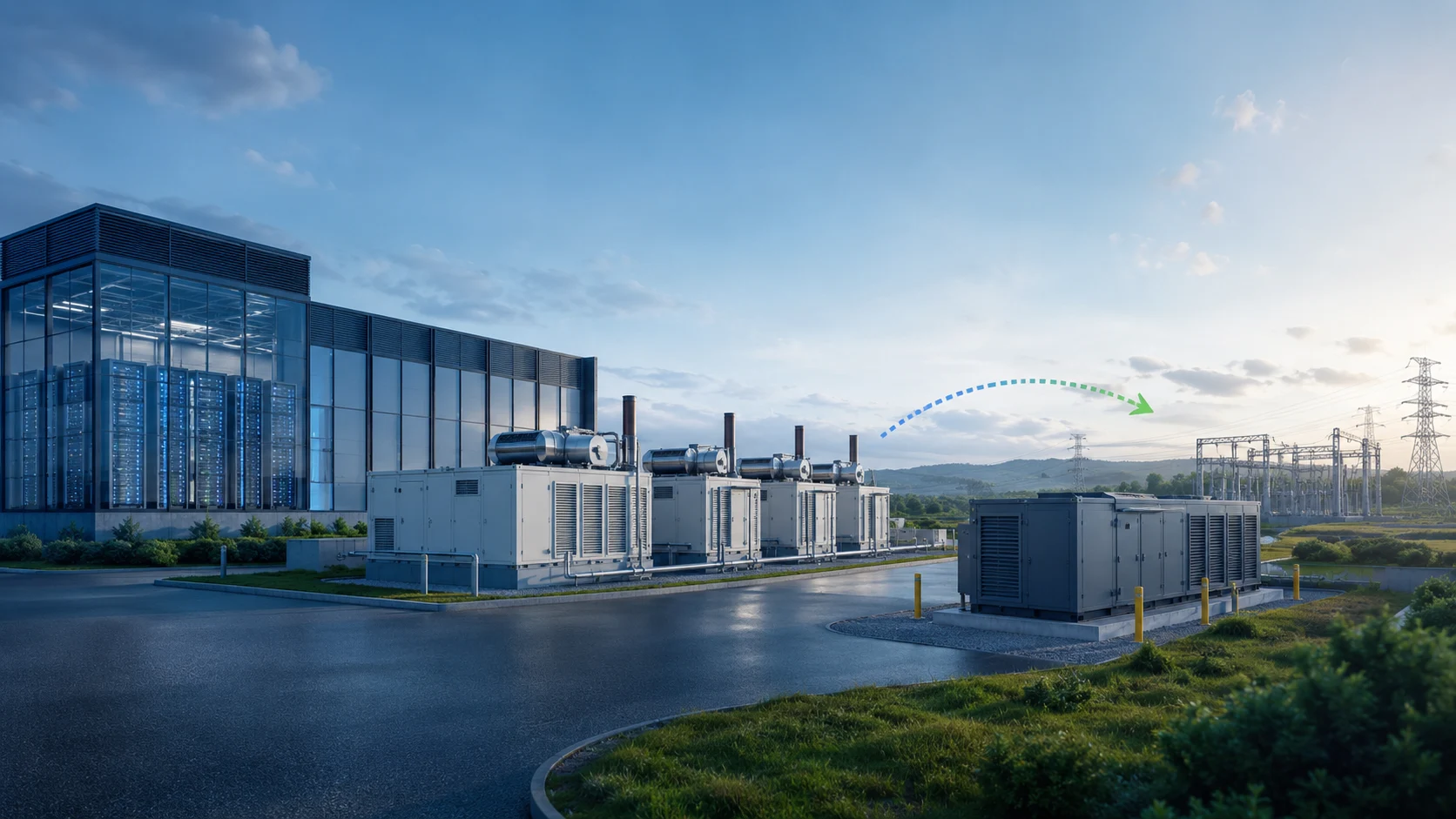
Когда центр обработки данных для ИИ готов до подключения к электросети, резервное электроснабжение может защитить график ввода в эксплуатацию. Решение заключается не просто в выборе между природным газом и дизельным топливом. Важно определить, требуется ли проекту основное электроснабжение, временная генерация, аварийное резервное питание или комбинированная архитектура, которая впоследствии сможет подключиться к сети. По оценкам МЭА, к 2030 году глобальное потребление электроэнергии центрами обработки данных может достичь около 945 ТВт·ч, а ограничения в сети могут задержать ввод в эксплуатацию примерно 20% запланированных мощностей.
Почему центрам обработки данных для ИИ требуется резервное электропитание до того, как будет готова электросеть?
Перемычка между энергоснабжением и подключением к сети заполняет пробел между требуемой датой ввода в эксплуатацию и доступностью электроэнергии от энергоснабжающей компании. EPRI описывает перемычку между энергоснабжением и сетью как временную работу в автономном режиме с последующим гибким подключением к сети; она может ускорить ввод в эксплуатацию, но увеличивает затраты и сложность процесса.
Самостоятельная генерация электроэнергии актуальна, когда задержка с подключением к сети существенна, а работы по топливу, получению разрешений, охлаждению и электромонтажу могут быть выполнены быстрее. Она может быть непригодна, когда переходный период короткий или местные условия препятствуют длительной работе. Сравните затраты на оборудование и топливо с задержкой получения дохода.
Какая архитектура мостового питания подходит для центра обработки данных?
Микросети на природном газе для обеспечения электроснабжения на несколько месяцев или лет.
Микросеть природного газа подходит для объектов с надежным трубопроводным снабжением и длительным периодом работы с переменной нагрузкой. Модульные блоки могут поддерживать поэтапное развертывание и частичное регулирование нагрузки.
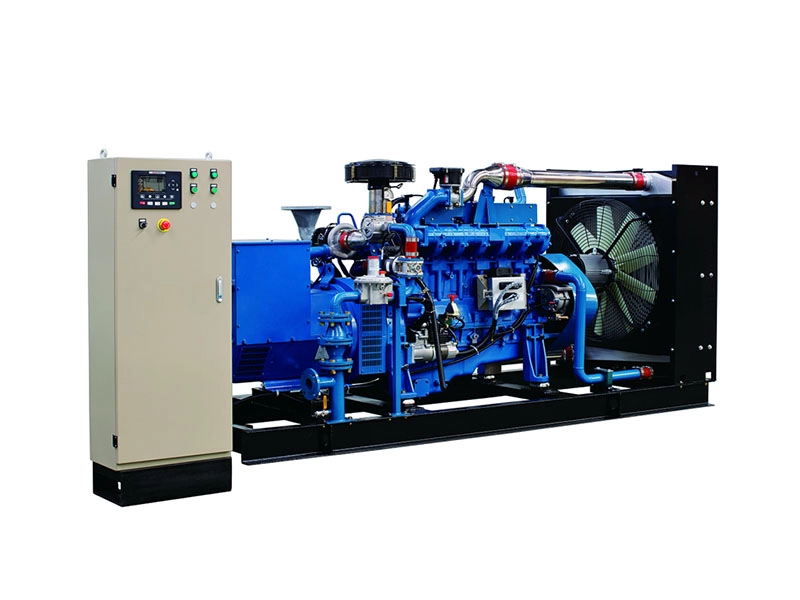
Перед подачей запроса Системы генерации природного газа для основного электроснабженияПолучите письменные данные, охватывающие давление, расход, состав газа, ограничения и график подключения. Подтвердите номинальную мощность, годовое количество часов работы, выбросы, охлаждение, напряжение и параллельное управление. Наличие трубопровода вблизи объекта не доказывает наличие достаточной пропускной способности.
Дизель-генераторы для кратковременного электроснабжения мостов или аварийного резервного питания.
Дизельная генерация может подойти для кратковременных переходных периодов, пусконаладочных работ или автономного аварийного резервирования. Она также практична в тех случаях, когда трубопроводный газ недоступен.
Ключевой риск заключается в использовании резервного топлива для работы в обычном режиме основного питания. Покупателям следует проверить классификацию режима работы, вместимость резервуаров, частоту заправки, контроль качества топлива, правила хранения и допустимый диапазон загрузки. При длительных пересадках затраты на логистику топлива могут перевесить более низкую закупочную цену.
Основной источник питания — природный газ, резервный дизельный двигатель и ИБП или система хранения энергии.
Природный газ и дизельное топливо не обязательно должны быть прямой заменой. Газовые генераторы могут обеспечивать промежуточное электроснабжение, дизельные установки — аварийный резерв, а источники бесперебойного питания или аккумуляторные батареи — поддержку работы в условиях кратковременных перепадов нагрузки.
Данная схема требует четко определенной однолинейной диаграммы и последовательности операций. В документации по закупкам должны быть указаны ответственность за запуск в аварийном режиме, порядок запуска генераторов, синхронизация, распределение нагрузки, защита, а также сторона, ответственная за интеграцию систем управления. Нечеткие границы интеграции могут подорвать всю систему.
Микросети на природном газе против резервных дизельных источников питания: как покупателям сравнивать эти варианты?
|
Фактор принятия решения |
Микросеть природного газа |
дизель-генераторная система |
|
Основная роль |
Расширенный мост или основная мощность |
Краткосрочный основной или аварийный резервный режим |
|
Проверка уровня топлива |
Давление в трубопроводе, расход, качество, доступность |
Хранение, доступ для доставки, план заправки |
|
Соответствие проекта |
Увеличение времени работы и поэтапная нагрузка |
Быстрое развертывание и хранение топлива |
|
Основной риск |
Подключение к топливной сети или получение разрешений становятся новой причиной задержек. |
Проблемы с логистикой топлива или неправильная маркировка рабочего времени |
|
После подключения к сети |
Режим ожидания или другой утвержденный режим работы |
Обычно сохраняется в качестве резервного варианта на случай чрезвычайной ситуации. |
Правильный выбор зависит от продолжительности работы моста, профиля нагрузки, топливного контракта, ограничений по выбросам, целевого уровня резервирования и будущего режима работы энергосистемы.
Что может привести к провалу проекта по строительству моста с электроснабжением?
Проверьте подачу топлива, реакцию на нагрузку и электрическую интеграцию.
Предположения относительно топлива следует проверять на основе пикового спроса, а не среднего. Для газовых проектов необходимы подтвержденные значения входного давления и расхода. Для дизельных проектов необходима достаточная автономность с учетом резервных уровней и ограничений поставок.
Статической мощности в мегаваттах также недостаточно. Нагрузки, связанные с искусственным интеллектом, подзарядка ИБП и охлаждение двигателей могут влиять на восстановление напряжения и частоты. Инженеры должны проверить наибольший шаг нагрузки, поведение N+1, номинальные параметры распределительных устройств и трансформаторов, требования к среднему напряжению и средства управления синхронизацией. Подробные расчеты размеров должны быть представлены в отдельном инженерном обзоре.
Перед оформлением заказа подтвердите наличие разрешений, требования к охлаждению, уровень шума и график работ.
Дата поставки генератора не является датой начала электроснабжения. Критический путь может включать в себя получение разрешений, подключение к топливной системе, фундамент, вентиляцию, вытяжку, звукоизоляцию, распределительные устройства, трансформаторы, кабельную разводку и ввод в эксплуатацию.
Выбор открытых, бесшумных или контейнерных конструкций должен основываться на реальных условиях установки. Наличие защитного кожуха не снимает необходимости подтверждения циркуляции воздуха, теплоотвода, доступа к коммуникациям и допустимого уровня шума на объекте. Перед покупкой необходимо определить тип всех интерфейсов.
Что происходит с генераторной системой после подключения к сети?
Прежде чем заказывать резервную электростанцию, определите ее будущее назначение. В зависимости от местных правил и электрической схемы генераторы могут стать резервными, использоваться для управления пиковыми нагрузками, оставаться частью локальной микросети или быть перемещены. Параллельная работа с энергосистемой требует соответствующей защиты, соглашений и разрешений.
Заблаговременное планирование перехода снижает риск простоя оборудования. Покупателям следует убедиться, что распределительные устройства, трансформаторы, синхронизирующее оборудование и контейнерные модули могут использоваться как во временном, так и в конечном режимах работы.
Что должно быть включено в запрос предложений по мостовому электропитанию для центров обработки данных?
В полезном запросе предложений следует указать критические значения кВт и кВА, коэффициент мощности, напряжение, частоту, максимальный шаг нагрузки, характеристики ИБП, продолжительность работы в мостовом режиме, количество часов работы в год, даты ввода в эксплуатацию и подключения к сети, резервирование, условия на площадке, ограничения по шуму и излучению, а также предпочтительную конструкцию.
Данные о топливе имеют не меньшее значение: давление газа, расход, состав или требуемая автономность дизельного двигателя. В предложениях следует разделять объем работ по генератору, топливу, трансформатору, распределительному устройству, синхронизации, установке, вводу в эксплуатацию и техническому обслуживанию. Сравнивайте номинальную мощность на площадке, номинальные параметры работы, переходные характеристики, расход топлива, параметры энергоснабжения, испытательную документацию и условия эксплуатации — а не только номинальную мощность в мегаваттах.
Как покупателям выбрать поставщика генераторов мостового электропитания?
Подходящий поставщик должен предоставить информацию о характеристиках конкретной модели, снижении номинальной мощности, требованиях к топливу, электрических параметрах, системах управления, габаритах и четко определенном объеме работ. В многоблочных проектах также необходимо четко определить обязанности по синхронизации, защите и вводу в эксплуатацию.
Компания Shandong Uleen Generator Co., Ltd. производит интеллектуальные генераторные установки с 2011 года. В портфолио UleenGen входят дизельные и газовые генераторные установки, открытые, бесшумные, прицепные и контейнерные конструкции, автоматические переключатели напряжения и шкафы синхронизации, а также средне- и высоковольтные конфигурации. Покупатели могут ознакомиться с информацией на сайте. энергетические решения UleenGen и компании Производственные и технические возможности генераторов при оценке соответствия доступных вариантов пакетов требованиям проекта.
Вывод
Выбор резервного источника питания для центров обработки данных, использующих искусственный интеллект, должен основываться на времени ввода в эксплуатацию, режиме работы, гарантированной доступности топлива, интеграции системы и планируемом переходе на централизованное электроснабжение. Микросети на природном газе могут подойти для более длительных периодов резервного питания с надежным трубопроводным снабжением, в то время как дизельные генераторы могут использоваться в качестве основного источника питания на короткий срок или в качестве независимого аварийного резерва. В некоторых проектах выгодно скоординированное сочетание этих методов.
Проектные команды могут представить проектные требования для предварительной конфигурациивключая нагрузку, напряжение, частоту, продолжительность работы моста, данные о топливе, условия на площадке, резервирование, формат установки и дату ввода в эксплуатацию.
Часто задаваемые вопросы
Что такое питание моста для центра обработки данных?
Мостовое электроснабжение — это временная генерация электроэнергии на месте, используемая до подключения к запланированной энергосистеме. Впоследствии она может стать резервной мощностью, остаться частью микросети или быть перенесена в другое место.
Могут ли генераторы, работающие на природном газе, обеспечить основным электропитанием центр обработки данных для искусственного интеллекта?
Они могут быть использованы, если выбранная модель имеет соответствующий номинальный режим работы, а на объекте обеспечены достаточное давление газа, расход, качество газа, охлаждение, разрешения и поддержка в техническом обслуживании.
Нужна ли дизельная резервная система для микросети, работающей на природном газе?
Не во всех проектах, но дизельное топливо может обеспечить диверсификацию топливных режимов, поддержку при запуске после отключения электроэнергии или независимый аварийный источник питания. Решение зависит от требований к надежности, риска, связанного с поставками газа, а также от возможностей ИБП или систем хранения энергии.
Какая информация необходима для составления коммерческого предложения по мостовому электроснабжению?
Поставщикам необходима информация о критической нагрузке (в кВт и кВА), напряжении, частоте, коэффициенте мощности, шагах нагрузки, периоде колебаний, годовом количестве часов работы, состоянии топлива, условиях окружающей среды на объекте, резервировании, конструкции установки, схеме электросети и датах ввода в эксплуатацию.


