
Industry News
-
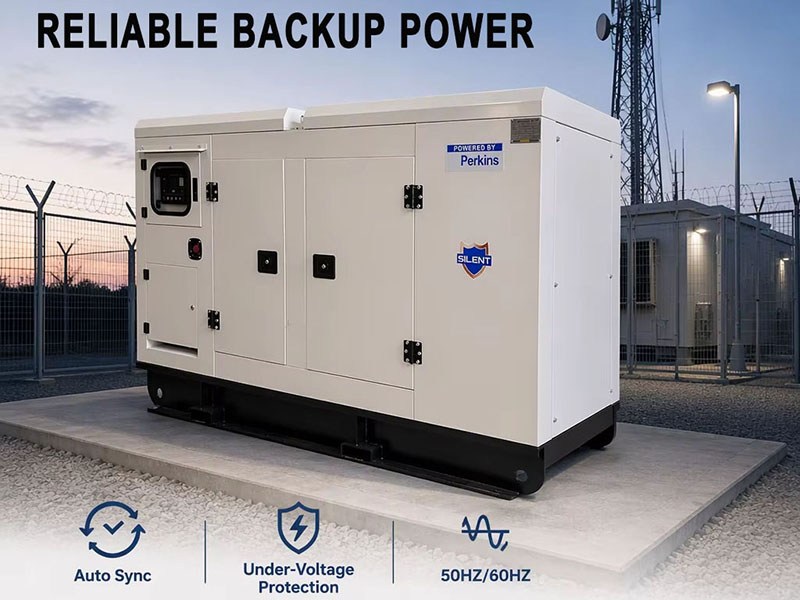
 29 OctoberBy AdminChoosing a Silent Generator for Outdoor Projects: Noise, Weather and Site ConstraintsFor an outdoor project, put the proposed generator position on a site sketch before choosing a silent model. Beside that position, mark the people who will hear it and the hours it must run. Add the weather exposure and nearby structures. Those details give the equipment and its test evidence something concrete to be checked against. Our silent generator sets use enclosed configurations, but the enclosure label cannot settle the site layout. A temporary fence, a delivery route or a building opening can change the decision. Put those constraints into the quotation brief so that suppliers price the same proposed…
-
23 OctoberBy AdminChoosing a 500–1000 kVA Diesel Generator: Load, Rating and Expansion PlansPut two offers on the desk: 500 kVA and 1000 kVA. The larger number looks reassuring until somebody asks what runs on the site today and what starts after the utility supply fails. If most hours are spent at a fraction of the larger set’s output, the difference in nameplate size has not settled the choice. It has exposed a question for the load study. For a factory, commercial campus or infrastructure project, the load schedule is the document worth finishing first. It gives bidders a common basis and makes omissions visible. Our 500–1000 kVA diesel generator range can then narrow…
-
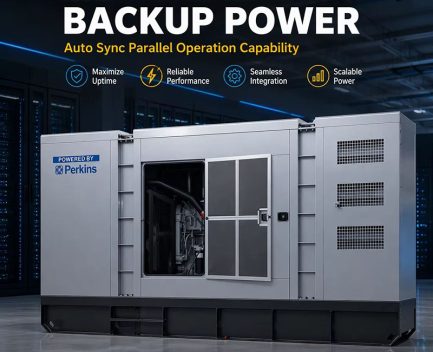
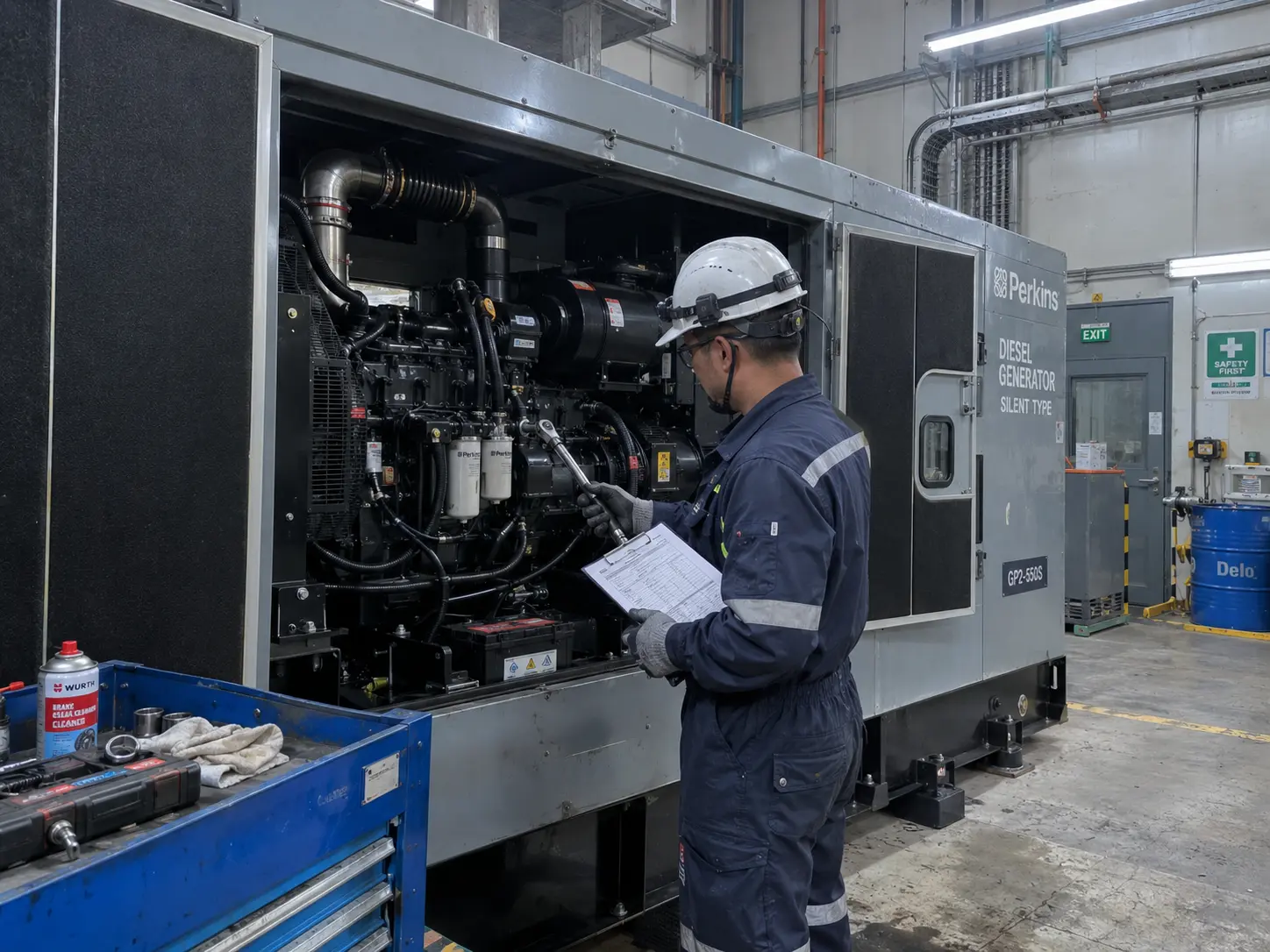
16 OctoberBy AdminWhat Is a Perkins Generator and Why Do Industrial Buyers Prefer It?Think of a Perkins Diesel Generator as a full power plant inside one box. The main muscle comes directly from a Perkins diesel engine. This motor spins an alternator. Then, that spinning movement turns into real electricity. A controller works like a brain. It turns the machine on or off. It also watches for any safety alarms. Other parts, like the gas tank, cooling fans, exhaust pipes, a battery, and a thick metal shell, complete the whole build. Plant managers look at the entire setup before spending money. They check the engine type and the duty rating. The site layout…
-
15 OctoberBy AdminWhat Is a Cummins Power Generator and Why Is It Popular?Let’s look at what a Cummins Power Generator actually is. You can think of it as a complete mini power plant built into one single box. First off, you have a rugged Cummins diesel engine. This motor does the heavy lifting. It spins fast to create raw mechanical force. Then, an alternator takes over. It grabs that spinning force and turns it into real, usable electricity. A smart controller sits on top acting like a brain. It turns the whole thing on and off. It also watches the electricity flow, which keeps your gear safe. Other parts finish the setup.…
-
9 OctoberBy AdminDiesel Generator Maintenance Checklist for Long-Term OperationSome diesel generators run through very long work shifts. Other units sit quiet for weeks, simply waiting for the main power grid to drop out. Both situations need a good service plan. Heat and steady shaking will wear down working sets over time. On the other hand, damp air, bad old fuel, and flat batteries will cause trouble while a machine just sits idle. A sensible diesel generator maintenance schedule tracks both calendar days and engine run hours. You always service whichever limit arrives first, and you must log every completed job. The guide below gives you a clear baseline…
-
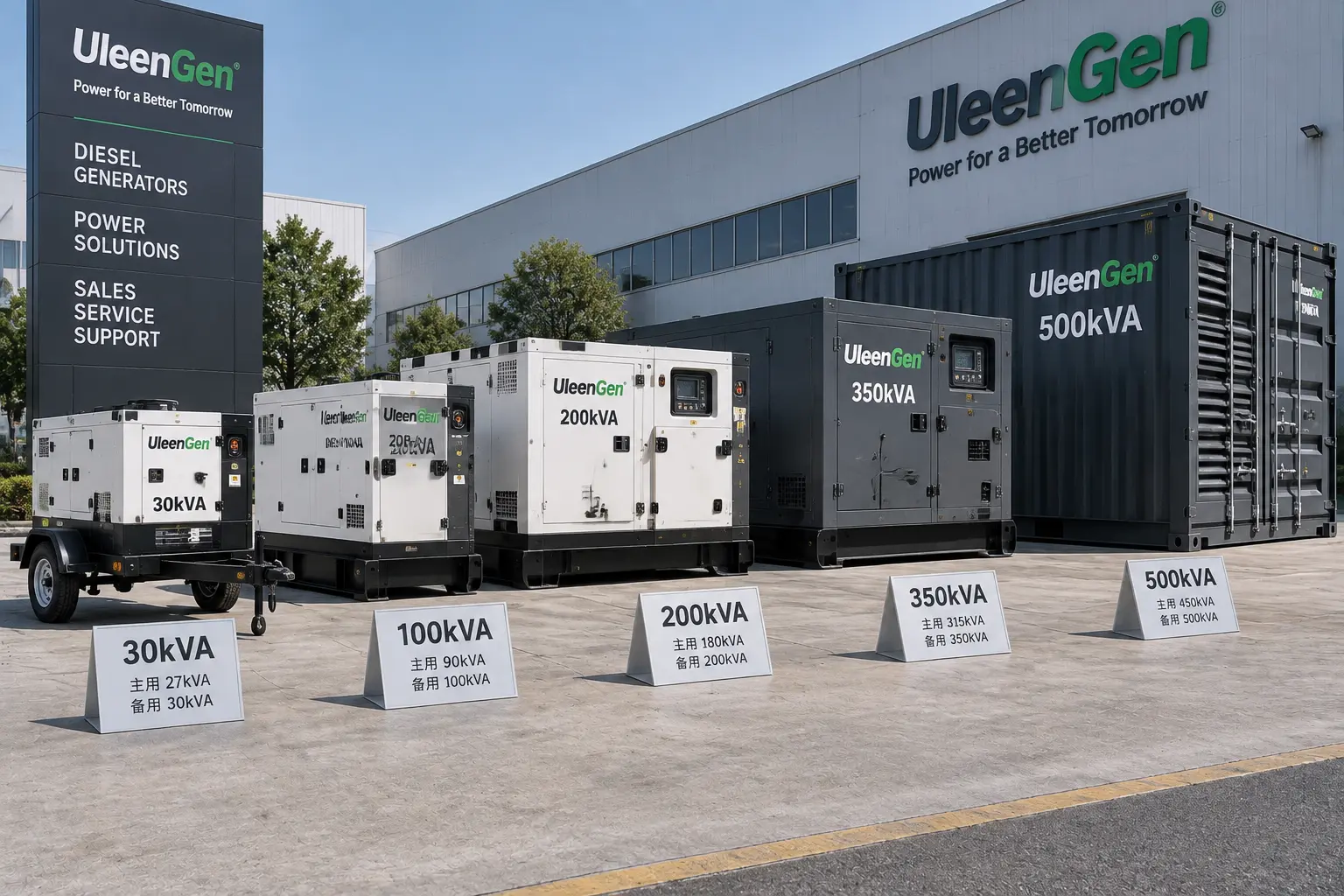
2 OctoberBy AdminDiesel Generator Power Range Guide from 30kVA to 500kVAA 30kVA Diesel Generator and a 500kVA Diesel Generator sit in very different projects. One may carry a small group of essential circuits; the other may supply a factory load group. In both cases, the nameplate rating is only the first number to check. Motors, pumps, compressors, UPS equipment, and local site conditions all affect the choice. Begin with a load schedule that records what must operate, what can remain disconnected, and which equipment starts under an existing base load. Use it to select the duty rating and electrical specification before comparing engines, alternators, enclosures, and controls. Diesel Generator Power…