


contact us
-
3-2-1003 Software park, Weifang Hi-tech Zone, Shandong, China
- +8615095247272
- sales@uleengen.com
-


What Should Buyers Check Before Ordering a Diesel Generator Set?
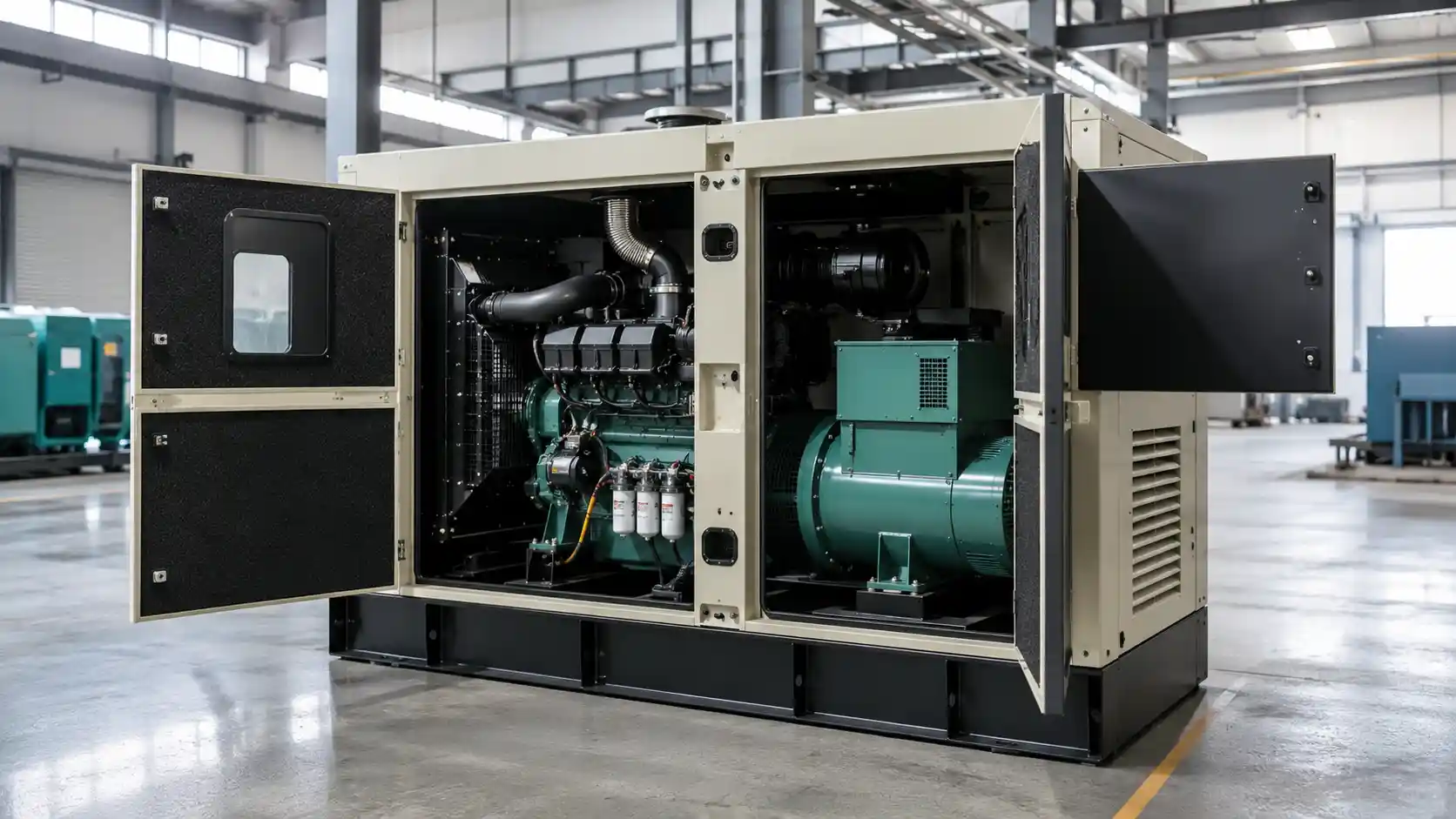
Before ordering a diesel generator, record the load, duty, voltage, frequency, phase, site conditions and runtime. Ask the supplier to identify each major component, factory test, document and service responsibility. This specification supports quotation comparison and final acceptance.
What Load Information Should You Confirm First?
The supplier sizes the set from your operating data. A complete load schedule reduces later changes to the engine, alternator, breaker, controller and fuel system.
Calculate Running and Starting Load
List each load in kW or kVA, its power factor and starting method. Motors, pumps and compressors can draw a short current peak. Record simultaneous and staged starts so the supplier can check alternator voltage dip, engine response and power margin.
Select Standby, Prime or Continuous Duty
State whether the set serves emergency backup, variable-load prime operation or a steady continuous load. Add annual hours and normal load percentage. The quotation should show prime and standby ratings separately because their operating definitions differ. Factory backup and remote construction projects can carry different duty requirements at the same nameplate size.
State Voltage, Frequency and Phase
Write the voltage, 50 or 60 Hz frequency, and single- or three-phase output. These inputs can change engine speed, alternator winding and electrical rating. The catalog covers both frequencies and phases for several engine families, with availability tied to the selected model.
Which Diesel Generator Set Components Must Appear in the Quotation?
A quotation should name the components that create electrical output and control the set. Generic family descriptions leave gaps during production and inspection.
Identify the Exact Engine and Alternator Models
Require engine and alternator models, rated speed, governor type, insulation class, protection grade and power factor. Ask for prime and standby ratings in kW and kVA. One documented 60 Hz, three-phase configuration carries 20 kW/25 kVA prime and 22 kW/27.5 kVA standby ratings. These figures are model-specific. Review high-output diesel generator configurations through this exact-model process.
Confirm Controller, ATS and Protection Functions
Define automatic start and stop, utility monitoring, measurement, alarms, emergency shutdown and remote communication. Name the controller. Add an ATS when the set must detect utility failure and transfer the load. Quote standby generator set models with the selected controller, ATS rating and transfer sequence.
Define Enclosure, Fuel Tank and Noise Scope
Choose an open frame, silent canopy or trailer. State the noise limit, measurement distance, weather exposure, access needs, emergency stop and lifting method. Confirm tank runtime at a stated load. One documented silent configuration includes a steel canopy, base tank, viewing window, access doors and an exterior emergency-stop button. Confirm the purchased model’s scope.
How Should Site Conditions Affect the Order?
Site data determines available power, cooling performance and installation work. Send the final site conditions before the supplier freezes the configuration.
Record Altitude and Maximum Ambient Temperature
Ask for rating reference conditions and a site derating calculation. Altitude affects air density, while ambient temperature affects cooling. Select the engine and radiator with the applicable model curve, especially for mining, plateau, desert and containerized projects.
Plan Ventilation, Exhaust, Foundation and Access
Provide the location, airflow path, exhaust route, foundation and maintenance clearances. Include delivery, lifting and service access. Installation guidance covers ventilation, exhaust routing, grounding, fuel and ATS connections. Screen compact industrial generator options against the space and access plan.
Confirm Fuel Quality, Emissions and Safety Requirements
Identify the diesel specification, emissions rules, fire requirements and storage limits. State whether the set operates indoors, outdoors or in a hazardous area. Assign grounding, exhaust insulation, spill control and electrical connection in the project scope.
What Tests and Documents Should Buyers Request Before Delivery?
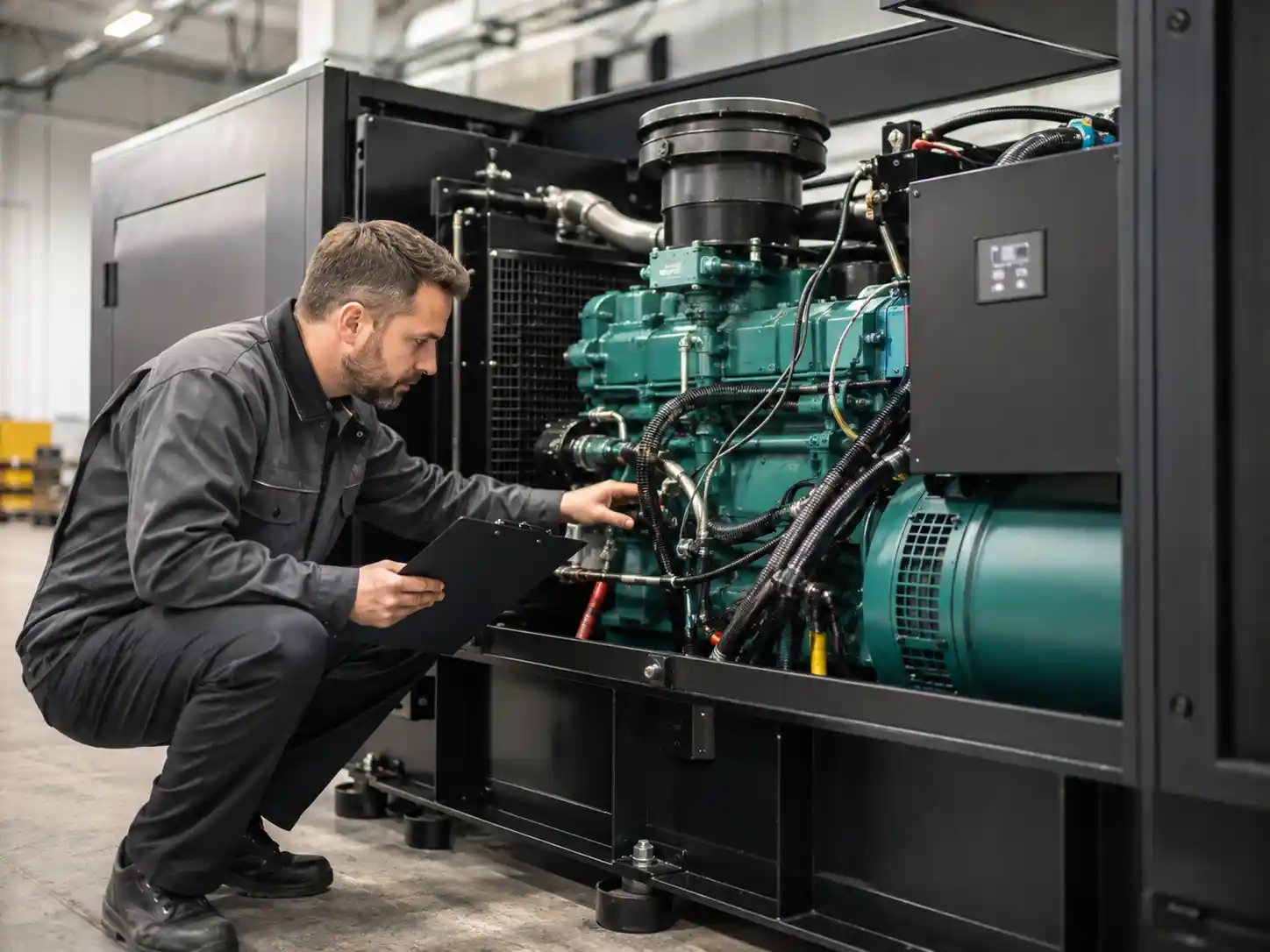
Factory evidence links the finished machine to the approved specification. Put test conditions and required records in the purchase order.
Specify the Load Test and Acceptance Criteria
Define the load-test stages, duration and recorded values, including voltage, frequency, current, oil pressure, coolant temperature, alarms and shutdowns. One documented specification states that every unit receives a load test before delivery. Set the purchased unit’s sequence and acceptance limits.
Request Manuals, Wiring Diagrams and Test Reports
List the operating, engine, alternator and controller manuals, wiring diagram, test report, packing list and recommended spares. Confirm language and format. One documented standard package includes a manual and test report. Document model numbers should match the nameplate and approved schedule.
Use a Pre-Shipment Inspection Checklist
Check the nameplate, major components, enclosure, tank, batteries, exhaust parts and accessories. Compare dimensions and weight with the shipping plan. Photograph nameplates and loose items, then record open points and completion dates.
Which Commercial Terms Should Be Fixed Before Payment?
Commercial terms assign cost, timing and service responsibility. Link payment milestones to documents or inspection events that both parties can verify.
Define Price Scope, Shipping Terms and Delivery Date
State currency, trade term, packing, freight scope, production lead time and delivery milestone. Assign destination charges and unloading. Link pre-shipment payment to the agreed test report and inspection record.
Confirm Warranty Coverage and Claim Responsibility
The operating material states 12 months or 1,500 running hours, whichever occurs first, subject to prescribed maintenance. The contract should confirm start date, covered parts, labor, travel, claim evidence and repair authorization. Name the destination-market service contact.
Order Maintenance Consumables and Critical Spare Parts
Request the engine-specific schedule and part numbers for oil, coolant, filters, belts and batteries. General guidance calls for daily visual checks, a five-minute run every two weeks for an idle standby set and one to two hours at 50% load monthly when it has carried no load. Price an initial service kit.
Assign Installation and Commissioning Work
Assign installation of the exhaust, fuel line, cables, grounding and ATS. Assign fluid filling, battery connection, first start and operator training. For remote commissioning, specify required photos, measurements and controller data.
What Should the Final Purchase Order Contain?
The purchase order becomes the shared reference for production, inspection and acceptance. Attach controlled documents with revision dates.
Attach the Approved Technical Schedule
Use one schedule for rating, duty, voltage, frequency, phase, engine, alternator, controller, ATS, breaker, enclosure, tank, dimensions, weight, noise requirement, accessories and documents. A compact summary keeps key decisions visible:
| Purchase-Order Field | Required Confirmation |
| Electrical rating | Prime and standby kW/kVA, voltage, frequency and phase |
| Major components | Exact engine, alternator and controller models |
| Configuration | Enclosure, tank, breaker, batteries, ATS and accessories |
| Acceptance | Load-test stages, recorded values and approved limits |
| Delivery | Documents, packing, trade term, date and service contact |
Record Deviations, Approvals and Acceptance Documents
List every deviation from the inquiry and name the change approver. Final acceptance should reference the signed schedule, test report, inspection record and packing list. These records support purchasing, engineering and operations teams.
About UleenGen
Shandong Uleen Generator Co., Ltd. supplies sets across eight documented engine families. Formats include open, silent and trailer configurations, with controller, ATS and fuel-tank choices matched to the brief. Product materials cover load testing, manuals, test reports, installation and model-specific maintenance. Send the load schedule, duty, electrical data, site conditions, enclosure needs and destination for a diesel generator quotation review. The quotation should identify components, ratings, accessories, tests, documents and commercial terms.
FAQ
Q1: What Information Is Needed to Size a Diesel Generator?
A: Provide running and starting loads, power factor, starting sequence, duty, annual hours, voltage, frequency, phase, altitude and ambient temperature.
Q2: What Is the Difference Between Prime and Standby Generator Ratings?
A: Standby rating serves emergency operation during utility loss. Prime rating supports longer variable-load operation under the engine maker’s stated load-factor and service conditions.
Q3: Should a Diesel Generator Receive a Load Test Before Delivery?
A: Yes. Define the load stages, duration, measured values and acceptance limits in the purchase order, then request the completed test report.
Q4: Which Documents Should Come With a Diesel Generator Set?
A: Request operating, engine, alternator and controller manuals, wiring diagrams, a test report, packing list and recommended spare-parts list.
Q5: What Warranty Details Should a Buyer Confirm Before Ordering?
A: Confirm the warranty period, running-hour limit, start date, maintenance conditions, covered parts, labor, travel, claim evidence and responsible service contact.


