



contact us
-
3-2-1003 Software park, Weifang Hi-tech Zone, Shandong, China
- +8615095247272
- sales@uleengen.com
-


200–500 kVA Diesel Generator Sets Guide | UleenGen


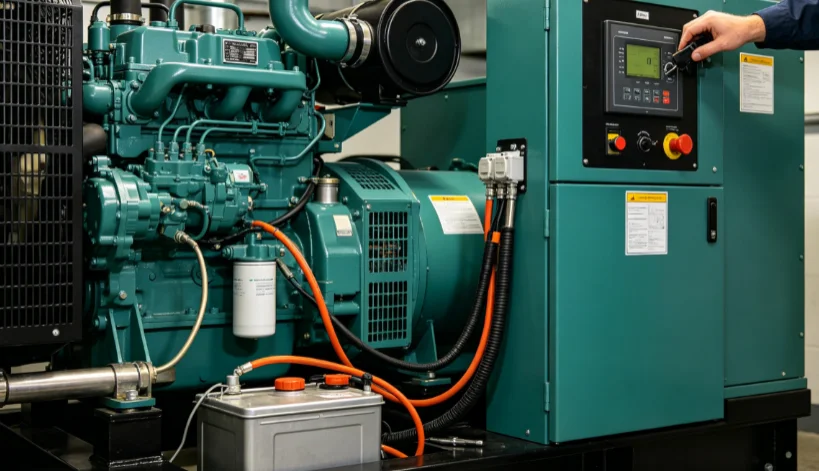
Picking diesel generator sets means more than just choosing a big number on a nameplate. In many real projects, a 200–500 kVA diesel generator set can handle the main loads. It also helps the site avoid paying for capacity that stays unused. This range shows up often in factories, farms, mines, hospitals, data rooms, commercial buildings, and construction projects.
UleenGen is a professional generator set manufacturer focused on intelligent power systems for industrial and commercial users. Its product line covers diesel generator sets, gas generator sets, generator products by engine, structure, and power range, plus control cabinets and custom power products.
Since 2011, UleenGen has worked in generator set production with technical consultation, installation, training, and maintenance support. For buyers who care about practical performance, the UleenGen product system makes it easier to compare capacity, use case, structure, control needs, and long-term service before making a decision.
Why Are 200–500 kVA Diesel Generator Sets Used So Often?
This power range sits in a useful middle zone. It is stronger than small backup units. Yet it is still easier to place and manage than large power station equipment. For many sites, it gives a fair balance between purchase cost, generator fuel consumption, backup power capacity, and daily service work.
Balanced Capacity for Real Workloads
A 200 kVA generator may serve a small factory, irrigation pump, workshop, telecom site, or commercial backup system. A 500 kVA generator can carry heavier loads such as large motors, chillers, medical backup systems, or production equipment. In between, 300 kVA and 400 kVA models often fit warehouses, hotels, municipal projects, and medium processing lines.
The key is not to guess. You should check running load, startup current, voltage, power factor, and future expansion. Motors can draw far more current when starting. That small detail causes many wrong generator choices.
Standby and Prime Power Needs Are Different
A standby diesel generator waits for a grid outage. It may run only during emergencies and planned tests. A prime power diesel generator works much more often, sometimes as the main power source at a remote jobsite. These two jobs ask for different duty ratings, fuel planning, and maintenance habits.
What Performance Points Matter Most?
Diesel generator performance depends on more than rated kVA. A unit can look fine on paper but still perform badly if the site load is unstable, the fuel system is poor, or the room has weak airflow. It sounds basic, but these small site details decide a lot.
Fuel Use Should Be Checked Under Load
Generator fuel consumption is one of the biggest long-term costs. A diesel generator fuel consumption analysis should look at expected load, daily running hours, fuel tank capacity, and refueling distance. Running a generator too lightly for long periods may also waste fuel and cause engine issues.
Many diesel generator sets work better when they carry a healthy load rather than idling under a small load all day. For some sites, staged startup or a multi-unit setup can make load management easier.
Voltage and Frequency Stability Protect Equipment
Industrial generator performance also means stable voltage and frequency. Pumps, elevators, compressors, control panels, and cooling systems do not like poor power quality. If voltage drops during motor startup, equipment may trip. If frequency swings too much, sensitive systems may become unstable.
That is why control systems, automatic transfer settings, and load planning matter. They are not just add-ons. They help the industrial backup power system behave in a predictable way.
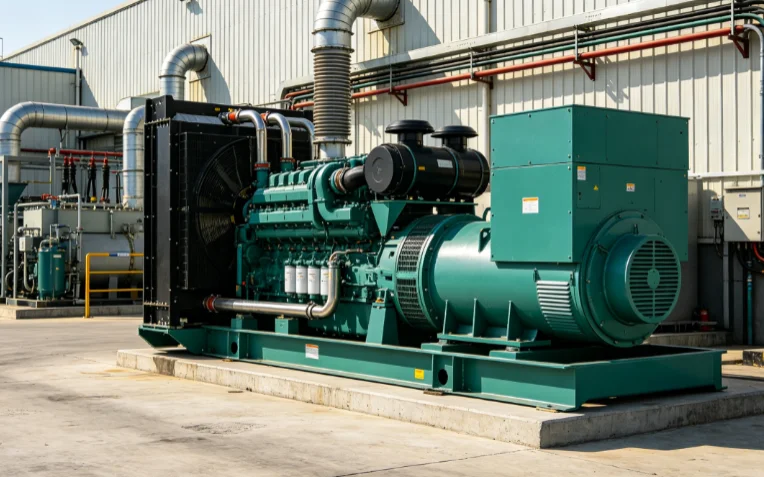
How Do These Generator Sets Serve Multiple Fields?
Different fields use diesel generator sets in different ways. A farm may care about fuel and easy service. A hospital cares about fast backup response. A construction site may need mobility. A factory often cares about stable output and less downtime.
Manufacturing, Construction, and Mining
In manufacturing, 200–500 kVA diesel generator sets support production lines, compressors, lighting, control cabinets, and ventilation. In construction, they power cranes, welding machines, pumps, site offices, and night lighting. In mining and quarry work, dust, vibration, and long hours make durability more important.
This is where structure matters. Open type units suit generator rooms. Silent type units help where noise is a concern. Trailer type units fit moving projects. Containerized units suit larger outdoor sites that need stronger protection.
Hospitals, Farms, and Commercial Buildings
A hospital may use a 500 kVA generator for backup power that covers selected medical systems, lighting, pumps, and safety equipment. A farm may choose a 200 kVA generator for irrigation, feed systems, or cold storage. Commercial buildings need backup for elevators, fire systems, HVAC, lighting, and security.
For buyers comparing this power range, the 200–500 kVA diesel generator category is a useful starting point because it focuses on the range many medium-duty and heavy-duty projects often ask about.
How Can Load Management Improve Efficiency?
Good load management keeps the generator working in a safer and more economical zone. Poor load planning creates heat, fuel waste, voltage drop, or shutdowns. None of those problems look dramatic at first. Then one day, the site loses power at the worst time.
Avoid Long Low-Load Running
Long low-load running can lead to poor combustion, carbon buildup, and higher fuel cost per useful power output. If your site has light loads during part of the day and heavy loads later, the generator plan should reflect that pattern.
Prevent Overload During Motor Startup
Overload is just as bad. Too much starting current can pull voltage down and stress the alternator. You can reduce this risk with staged startup, correct cable sizing, soft starters, and proper diesel generator load management.
How Should Buyers Judge Long-Term Value?
The best diesel generator sets are not always the cheapest models. A better choice is the model that matches real load, site limits, fuel budget, service access, and backup time.
Maintenance Decides Real Reliability
Diesel generator maintenance should include oil, coolant, filters, belts, hoses, battery checks, radiator cleaning, fuel inspection, and load testing. No-load startup is useful, but it does not prove the unit can carry the real site load. Load bank testing gives a clearer answer.
In short, 200–500 kVA diesel generator sets can serve many fields well when the selection is based on real site data. Check capacity first. Then check fuel use, load management, structure, control cabinet needs, maintenance access, and service support. That simple order saves a lot of trouble later.
FAQ
Q1: What Fields Use 200–500 kVA Diesel Generator Sets?
A: Factories, hospitals, farms, mines, warehouses, construction sites, and commercial buildings often use this range.
Q2: Is a 500 kVA Generator Better Than a 200 kVA Generator?
A: Not always. The better choice depends on real load, startup current, runtime, and site conditions.
Q3: Why Does Generator Fuel Consumption Matter?
A: Fuel cost often becomes a major long-term expense, especially when the generator runs for many hours.
Q4: What Is Diesel Generator Load Management?
A: It means arranging loads so the generator avoids long low-load running and sudden overload.
Q5: How Often Should Diesel Generator Maintenance Be Done?
A: Follow the supplier schedule, with regular checks for oil, coolant, filters, battery, fuel, and load testing.


