



Contacta amb nosaltres
-
3-2-1003 Parc de programari, Weifang Zona d'alta tecnologia, Shandong, Xina
- +8615095247272
- sales@uleengen.com
-


Com triar la capacitat adequada del generador dièsel per a l'alimentació de reserva de fàbrica


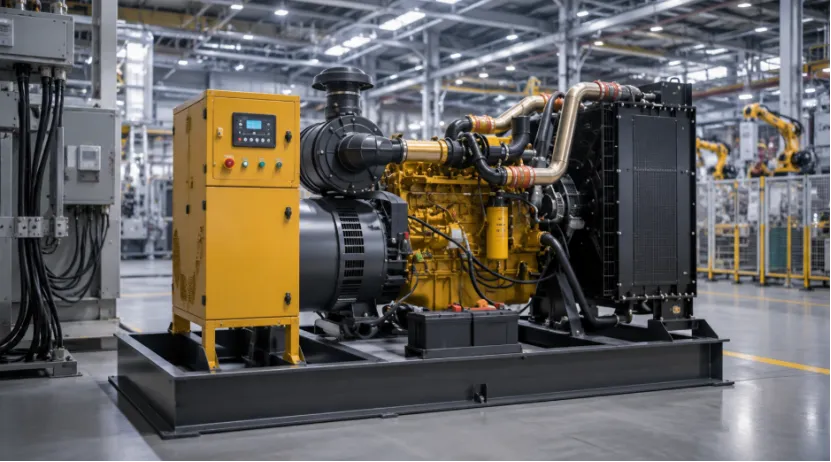
Una aturada de fàbrica pot aturar els transportadors, fer saltar els PLC, fer malbé el material i deixar un lot encallat a la línia. Triar el correcte capacitat del generador dièsel per a la fàbrica L'energia de reserva és una decisió de producció, no només una compra d'electricitat. Un bon dimensionament del generador de reserva de fàbrica equilibra la demanda, l'arrencada del motor, la qualitat de l'energia, el consum de combustible i el creixement futur.
Quines càrregues ha de mantenir en funcionament la teva fàbrica?
Abans de fer qualsevol càlcul de la capacitat del generador, decidiu què ha de romandre en funcionament. Moltes plantes només necessiten sistemes de seguretat, controls, bombes de refrigeració, un compressor d'aire, equips de producció seleccionats i il·luminació bàsica.
Crea una llista de càrrega pràctica
Un càlcul de càrrega elèctrica de fàbrica ha de registrar els kW de funcionament, el voltatge, la fase, el factor de potència del generador, el mètode d'arrencada i la prioritat de cada màquina. El càlcul de càrrega del generador per a ús a la fàbrica ha d'incloure els equips que funcionen conjuntament, no totes les plaques de l'edifici.
Una planta pot tenir 420 kW instal·lats però només 270 kW de càrrega simultània essencial. El càlcul de la càrrega total en funcionament hauria d'utilitzar 270 kW, i després afegir una demanda inicial realista. Les lectures dels comptadors i els programes de producció sovint superen una llista ordenada d'equips.
Càrregues crítiques i flexibles separades
Col·loqueu els PLC, els sistemes d'emergència, la ventilació, la refrigeració i els equips de dades al grup crític. L'aire condicionat de confort o una segona línia pot esperar. Un sistema de gestió de càrrega del generador pot connectar les càrregues per etapes.
Com s'ha de comptabilitzar l'arrencada del motor?
El dimensionament del generador per a l'arrencada del motor és on moltes estimacions fallen. Les bombes, els refrigeradors, els compressors, les trituradores i els transportadors poden consumir breument diverses vegades el corrent normal. Una caiguda de tensió profunda pot alliberar els contactors o reiniciar els controls, aturant tota la línia.
Comproveu l'esdeveniment inicial més gran
Feu servir un càlcul del corrent d'arrencada del motor per al motor o grup d'arrencada més gran. La capacitat del generador per a les càrregues del motor ha de cobrir la càrrega de funcionament més la càrrega temporal d'arrencada del motor. El dimensionament del generador per a motors grans també ha de comprovar la caiguda de tensió permesa del generador durant l'arrencada del motor.
Un arrencador suau o un variador de velocitat pot reduir el pic, de manera que el dimensionament del generador per a càrregues VFD pot conduir a una unitat més petita. El dimensionament del generador per a càrregues SAI requereix una cura similar perquè els rectificadors afecten la càrrega de l'alternador.
Inicieu l'equipament en un ordre sensat
Poseu en marxa primer els controls i les bombes petites, després engegueu el motor més gran i, a continuació, les màquines secundàries. L'arrencada seqüencial pot reduir dràsticament la potència requerida. A un compressor no li importa que el full de càlcul tingui bon aspecte. Només li importa si hi ha prou parell disponible.
Com es converteix la càrrega de fàbrica en capacitat del generador?
Dimensionament de generadors dièsel industrials utilitza kW i kVA. Els kW són treball útil, mentre que els kVA també reflecteixen el corrent vinculat al factor de potència. Un càlcul comú de kVA per a un generador dièsel és:
kVA necessaris = kW necessaris ÷ Factor de potència
Per a un càlcul preliminar de generador de kW a kVA, sovint s'utilitza 0,8 com a exemple. Una càrrega de disseny de 400 kW a 0,8 equival a 500 kVA. Afegiu un marge raonable abans de seleccionar la classificació en kVA del generador industrial. Les indicacions típiques comencen al voltant del 10% al 25%, tot i que adverteixen que tant el dimensionament insuficient com el sobredimensionament causen problemes.
Afegiu marge sense comprar massa
El marge hauria de cobrir els canvis de càrrega, la calor, l'altitud i les addicions planificades. No hauria d'amagar les dades que falten. Un generador dièsel molt sobredimensionat pot funcionar malament amb càrrega lleugera i desenvolupar acumulació de carboni o apilament humit.
Quan calculeu la mida del generador per a la reserva de fàbrica, comproveu la potència de reserva versus la de precàrrega, la resposta a la càrrega esglaonada, la refrigeració, el temps de funcionament del combustible i el commutador de transferència automàtic per al servei de fàbrica. Així és com es calculen els kVA del generador dins d'un disseny complet del sistema de generador de fàbrica.
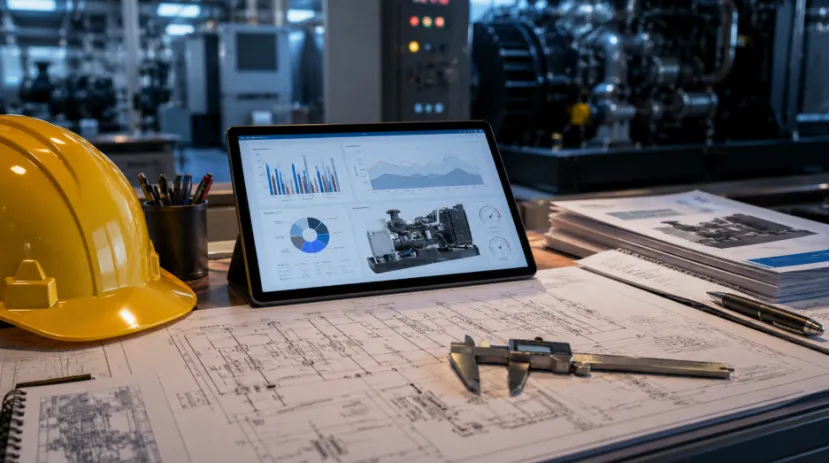
Quina configuració de grup electrogen s'adapta al vostre lloc?
La dreta generador d'energia de reserva industrial ha d'adaptar-se al lloc, no només a la càrrega total. El soroll pot requerir un recinte silenciós. La pols, la calor o la col·locació a l'aire lliure poden afavorir un disseny en contenidors. Un generador de reserva per a ús en una planta de fabricació també necessita accés de servei, flux d'aire i una canalització d'escapament segura.
Relacioneu el grup electrogen amb el projecte
Generador de varetes de Shandong ha produït grups electrògens intel·ligents des del 2011 i dóna suport a projectes amb consultoria tècnica, formació, instal·lació i manteniment. La seva gamma inclou generadors oberts, silenciosos, de remolc i en contenidors, a més d'ATS i armaris de sincronització.
Els compradors poden comparar grups electrògens per motor i rang de potència en lloc d'obligar cada lloc a un sol paquet. Aquest catàleg és una solució d'alimentació de reserva per a projectes de fàbrica que més endavant poden passar a generadors dièsel paral·lels. L'empresa també afirma que els seus grups segueixen els estàndards de generadors reconeguts i que el suport cobreix la selecció i el servei postvenda.
Les categories de productes disponibles també faciliten la comparació d'un generador gran amb diversos generadors, tenint en compte l'espai d'instal·lació, els canvis de càrregues, l'accés per al manteniment i la redundància.
Què hauries de comprovar abans de fer la comanda?
La millor resposta a com dimensionar un generador per a una fàbrica prové d'una revisió disciplinada. Confirma les càrregues essencials, la demanda simultània, la seqüència d'arrencada, les dades del motor, les condicions ambientals, el creixement futur, la mida del cable, la protecció, la classificació ATS, l'emmagatzematge de combustible i l'accés al servei.
El càlcul de la càrrega del generador de fàbrica afecta el cost del combustible, la fiabilitat i si la producció torna sense problemes després d'una apagada. Fins i tot un generador d'energia d'emergència de fàbrica esdevé car si no pot reiniciar la línia.
|
Descripció |
|
|
Freqüència |
50Hz / 60Hz |
|
Motor dièsel |
Cummins Perkins Doosan Lovol Volvo Deutz Weichai Yuchai |
|
Alternador |
Stamford, Marathon, Leroy Somer, Mecc Alte i alternador de la Xina |
|
Controlador |
DSE 6020/ HGM6120 |
|
Disruptor de circuit |
DELIXI /CHNT |
|
tipus |
Tipus obert/silenciós/tipus de remolc |
|
Dipòsit de combustible |
<550 kW, dipòsit de combustible base ≥550 kW, dipòsit de combustible diari extern |
|
Configuració opcional |
Contenidor, armari paral·lel, interruptor de transferència automàtic |
Preguntes freqüents
P1: Quina mida de generador dièsel necessita una fàbrica?
A: Depèn dels kW simultanis, l'esdeveniment d'arrencada més gran, el factor de potència, la reducció de potència i la capacitat de reserva. Aquesta és la capacitat del generador que es necessita per a una fàbrica en termes pràctics.
P2: Quanta capacitat de reserva ha de tenir un generador?
A: Molts projectes comencen amb un 10% a un 25%, i després s'ajusten en funció dels motors, la calor, l'altitud i l'expansió. El resultat hauria de provenir de com calcular la capacitat del generador dièsel per a les condicions de fàbrica.
P3: És millor sobredimensionar un generador dièsel?
R: Normalment no. L'excés de capacitat augmenta el cost i pot fer que el grup electrogen funcioni massa lleugerament. Un marge més petit i justificat sol tenir més sentit que afegir capacitat sense dades de càrrega.
P4: Pot un generador més petit engegar un motor gran?
A: De vegades. L'arrencada suau, el control VFD i la càrrega per etapes poden reduir el pic, però l'alternador encara ha de complir els límits de caiguda de tensió i recuperació.
P5: Un generador gran vs. diversos generadors?
A: Un grup electrogen és més senzill. Diverses unitats poden proporcionar una millor redundància, flexibilitat de manteniment i ús de combustible a mesura que canvien les càrregues de fàbrica.


