



Contacta amb nosaltres
-
3-2-1003 Parc de programari, Weifang Zona d'alta tecnologia, Shandong, Xina
- +8615095247272
- sales@uleengen.com
-


8 Factors que afecten el consum de combustible del generador de gas natural UleenGen


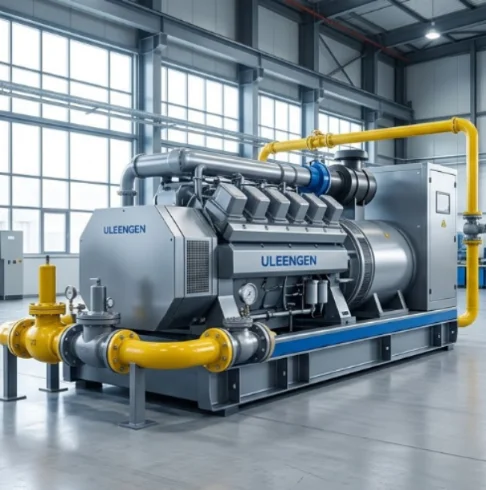
El consum de combustible del generador de gas natural és important perquè el combustible és normalment el cost que segueix apareixent molt després de la comanda de compra. Per a molts llocs, la qüestió més gran no és només el preu de l'equip. És el cost operatiu del generador de gas natural durant els propers tres, cinc o deu anys. Per això els compradors continuen preguntant el mateix en paraules diferents: quant de combustible utilitza un generador de gas natural quan la càrrega és real, el temps és dolent i el subministrament de gas no és perfecte? La gamma de generadors de gas d'UleenGen es construeix al voltant d'aquesta qüestió del món real, amb opcions de generadors de gas en múltiples rangs de potència i estructures per a ús industrial.
Com a fabricant, UleenGen no és un nou taller que intenta mirar més gran del que és. La companyia diu que ha estat fent conjunts de generadors intel·ligents des de 2011, proporciona consultoria tècnica, formació, instal·lació i manteniment, i té una superfície de sòl de fàbrica de 20.000, generadors 6.000 desplegats i cobertura en més de 70 països i regions. Aquest perfil és important perquè generador de gas natural industrial Els projectes viuen o moren en detalls de servei, coincidència del lloc i planificació del combustible, no en fullets brillants. Una mirada ràpida al perfil de l'empresa li diu que es tracta d'un proveïdor que parla de treball del sistema, no només d'un motor desnudat en un marc.
Per què importa el consum de combustible del generador de gas natural?
El gas combustible, incloent-hi el gas natural, el biogàs, el metà de carbó i fonts similars, constitueix el cost variable principal per als generadors d'energia. Durant tot el cicle de vida d'un generador, les despeses de combustible solen representar del 70% al 90% dels costos totals. Com més baix sigui el consum de gas, menor serà el cost de generar cada kilowatt-hora d'electricitat. Per a centrals elèctriques captives o projectes d'energia distribuïda, aquest factor és crític per a la rendibilitat.
El cost del combustible augmenta ràpidament
Per a un generador de gas natural industrial, fins i tot una petita brecha en la crema de combustible pot convertir-se en una gran diferència de costos anuals. Si el seu lloc funciona diàriament, el consum de combustible del generador de gas natural no és una nota lateral. És la línia de pressupost que continua en moviment. És per això que una revisió de cost total decent val més que una cotització barata.
Els números per hora poden enganyar
Un número de fullet pot ajudar, però és només un punt de partida. UleenGen observa que Consum de combustible per hora del generador de gas natural Depèn de la càrrega, i que un generador que funciona a un 30 a 40% de càrrega sovint crema gas en una zona menys eficient. A ningú li agrada saber-ho després que la conducta i el regulador ja estiguin instal·lats.
Quines condicions de funcionament canvien més el consum de combustible?
La majoria dels compradors pensen primer en la mida del motor. prou just. Però l'operació diària sovint canvia consum de combustible del generador de gas Més del que fa la plaqueta. Les oscil·lacions de càrrega, la qualitat del gas i l'estabilitat de la pressió són els problemes habituals. Si un d'aquests està apagat, la màquina encara pot funcionar, només que no de la manera neta i barata que esperaves.
Nivell de càrrega i oscil·lacions de càrrega
La càrrega és el conductor més gran. Quan la càrrega augmenta, el consum de combustible augmenta. Aquesta part és evident. La part menys obvia és que un conjunt lleugerament carregat també pot malbaratar combustible si es queda massa temps en una banda de funcionament feble. UleenGen assenyala que la planificació de la càrrega mitjana dóna una estimació temprana millor que un nombre plat per hora, i el material de referència també observa que la variació de càrrega afecta tant el consum de combustible com la potència de sortida en els generadors.
Qualitat del gas i pressió del gas
No tots els gasos es comporten igual. El tipus de combustible i la qualitat del combustible afecten la combustió, i la pressió de gas inestable pot reduir la sortida, desencadenar alarmes i augmentar el consum de gas del generador. UleenGen també observa que el gas natural, el GPL, el biogàs tractat, el gas de camps petrolífers i el gas d'abocadors porten diferents límits a la pressió i la qualitat. Aquesta és una de les raons per la qual una comprovació del cost total de propietat és més intel·ligent que comparar només la potència nominal.
Quines condicions del lloc impulsen el consum de combustible més alt?
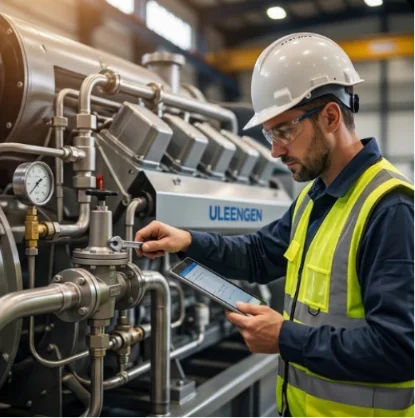
Aquesta part es perd molt, especialment en les primeres licitacions. Una sala de generadors no és un laboratori. L'aire s'esgota a l'altitud. La ventilació és de vegades una reflexió posterior fins al primer estiu. Llavors l'eficiència del combustible del generador de gas natural comença a deslizar i la gent culpa el conjunt quan l'habitació és el problema real.
Altitud i temperatura
Una altitud més alta significa menys oxigen per a la combustió, de manera que la crema de combustible i la sortida utilitzable poden canviar. El material de referència també enumera la temperatura ambiental i l'altitud entre els factors que afecten l'ús de combustible del generador i la potència de sortida. Pel que fa a UleenGen, un article recent assenyala que els blocs de motors de gas industrial i les jaquetes de refrigeració d'aigua estan construïdes per fer front a l'estrès tèrmic de la combustió contínua de gas durant 8.000 hores a l'any. Aquest detall sona petit, però li diu que la calor no és una qüestió teòrica. És un diari.
Ventilació i Refrigeració
Un flux d'aire pobre pot impulsar silenciosament el consum de combustible del generador de gas. L'aire d'entrada calent, la calor de l'habitació atrapada i el refredament feble fan que el conjunt treballi més dur per a la mateixa sortida elèctrica. Si vols un desglossament en llenguatge senzill de la trajectòria del combustible i la trajectòria elèctrica, aquesta breu peça sobre com funciona un sistema de gas natural del generador és útil perquè tracta el generador com una petita central elèctrica, no com una única màquina.
Quins problemes d'equips augmenten el consum de combustible del generador de gas?
De vegades la resposta no és la mida, el temps o els contractes de combustible. De vegades només és manteniment. No glamour, sinó veritat. Quan un tren de combustible es filtra, un regulador es desvia o el motor es retrasa en el servei bàsic, el consum de combustible del generador de gas natural pot augmentar abans que ningú s'adoni.
Integritat del sistema de combustible
El material de referència apunta específicament a la integritat del sistema de combustible com a factor clau. Les fugues, els bloquejos i la regulació inestable poden augmentar el consum de combustible del generador de gas. UleenGen també destaca que la manipulació de gas, el control de combustió i la lògica de protecció estan tots dins del mateix sistema. Així que si una part és negligent, tot el conjunt la paga.
Manteniment i sintonia
El servei regular ajuda al generador de gas natural a mantenir-se més a prop del rendiment del disseny. UleenGen observa que els horaris de servei varien segons la càrrega i l'entorn, mentre que el material de referència vincula el manteniment directament a un funcionament eficient. En projectes reals, això significa comprovar filtres, peces d'encesa, condició de refrigeració i pressió de combustible abans que un petit problema es converteixi en una factura mensual de combustible que no es pot explicar. Aquí és on el suport continu és realment important.
Com es pot estimar i reduir el consum de combustible del generador de gas natural?
La bona notícia és que no cal màgia. Necessites una sensació càlcul del consum de combustible del generadorUn perfil de càrrega realista i dades del lloc honestes. Comenceu allà, a continuació, ajustar els números amb mapes de combustible específics del model. Això és molt millor que suposar d'un títol específic.
Comença amb un càlcul senzill
UleenGen dona una referència pràctica per a un gas de 50 a 300 kW ajustat a aproximadament 0,29 Nm³/kW·h. Utilitzant aquest valor, un conjunt de generadors de 100 kW amb una càrrega del 75% baixa 21 Nm³/h, mentre que un conjunt de classe de 200 kW baixa al voltant de 44 Nm³/h. No és la resposta final, però és un començament útil per al càlcul del consum de combustible del generador i per comprovar el consum de combustible per hora del generador de gas natural en relació amb el seu pla de subministrament de gas.
Reduir els residus abans de començar
Si vols reduir el consum de combustible del generador de gas natural, tria la mida correcta, manté la banda de càrrega sensible, demana una pressió de gas estable i fa el manteniment bàsic a temps. Passos senzills, sí. Els passos que la gent salta. Normalment és allà on surt el combustible.
Preguntes freqüents
Q1: Quant combustible utilitza un generador de gas natural?
R: Depèn de la càrrega, la qualitat del gas, la temperatura del lloc, l'altitud i l'estabilitat de la pressió. Un número horari plat és només un punt de partida aproximat.
Q2: Quin és el consum típic de combustible per hora d'un generador de gas natural?
R: Una referència UleenGen utilitza 0,29 Nm³/kW·h per a un conjunt de gas de 120 a 250 kW. A un 75% de càrrega, això dóna aproximadament 33 Nm³/h per a una unitat de classe 150 kW.
Q3: Què afecta més l'eficiència del combustible del generador de gas natural?
R: Normalment el nivell de càrrega és primer, seguit de la qualitat del gas, la pressió del gas, la temperatura, l'altitud i la condició de manteniment.
Q4: Per què el consum de combustible del generador de gas pot augmentar fins i tot quan el generador no està completament carregat?
R: Perquè un conjunt de geerator que funciona massa temps a una càrrega del 30 al 40 per cent pot estar en una zona menys eficient, especialment quan la càrrega continua mouent.
Q5: Quina és la manera més fàcil de reduir el cost d'operació del generador de gas natural?
R: Ajustar el generador a la càrrega real, mantenir l'subministrament de combustible estable i servir els sistemes de combustible i refrigeració abans que creixin els problemes.


