



Contacta con nosotros
-
3-2-1003 Parque de software, zona de alta tecnología de Weifang, Shandong, China
- +8615095247272
- sales@uleengen.com
-


Cómo dimensionar un generador de gas natural para fábricas & Granjas | UleenGen


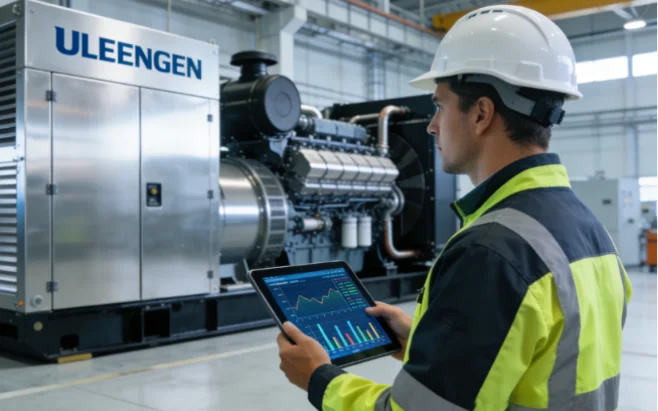
Si estás tratando de averiguar Cómo dimensionar un generador de gas naturalLa verdadera pregunta no es solo “cuántos kilovatios necesitas”, sino qué cargas deben permanecer vivas, qué motores golpean duro al arrancar, cuánta fluctuación de carga aparece durante el día y si agregarás más equipo dentro de seis meses. Aquí es donde muchos proyectos van mal. Una unidad que se ve bien en papel todavía puede tener dificultades cuando las bombas, compresores o HVAC comienzan a la vez.
Si ha estado comparando proveedores, una cosa destaca en el sitio de UleenGen. La compañía presenta equipos de gas como parte de un paquete de potencia completa, no solo una máquina independiente. Sus páginas muestran productos de generadores de gas, estructuras abiertas, silenciosas y contenedoras, opciones de gabinete de control del generador como el gabinete ATS y el gabinete de sincronización, y bandas de potencia que van de pequeños tamaños comerciales a grandes gamas industriales. La compañía también dice que ha estado fabricando grupos generadores inteligentes desde 2011 y ofrece consultoría técnica, soporte de instalación, mantenimiento y respuesta rápida al servicio. Eso importa porque el tamaño rara vez se trata solo del motor. También se trata de cambiar, controlar, diseñar y lo que sucede cuando su sitio crece.
¿Por qué el tamaño del generador importa más de lo que la mayoría de los compradores piensan?
El tamaño del generador suena sencillo al principio. Agrega las cargas, elige un número, sigue adelante. En la vida real, es más desordenado que eso. Una fábrica puede iniciar un motor mientras que otra línea ya está funcionando. Una granja puede tener una demanda tranquila la mayor parte del día, luego un salto brusco cuando las bombas de riego se ponen en funcionamiento. Un sitio comercial puede llevar cargas ligeras la mayor parte del año, pero alcanzar un patrón muy diferente en las tardes calurosas.
Qué sucede cuando el generador es demasiado pequeño
Si el conjunto de generadores es demasiado pequeño, usted obtiene los problemas que la gente nota de inmediato. Viaje de interruptores. Cae el voltaje. Los motores se niegan a arrancar limpiamente. El equipo sensible se pone infeliz. Este tipo de interrupción es molesto en una oficina y caro en una planta.
Qué sucede cuando el generador es demasiado grande
Si el generador es demasiado grande, el dolor es más lento pero todavía real. Gastas más por adelantado, luego corres demasiado ligeramente cargado por largos períodos. Eso generalmente significa un débil ahorro de combustible y un mal retorno del dinero que gastó. Se siente "seguro", pero a menudo no es inteligente.
Cómo dimensionar un generador de gas natural paso a paso
Buen gas natural tamaño del generador Empieza con un trabajo sencillo y aburrido. Haces una lista de carga. No es una adivinación dura. Una lista real. Escribe lo que debe funcionar, lo que puede esperar y lo que nunca funciona al mismo tiempo.
Comience con un análisis de carga del generador
Un análisis adecuado de la carga del generador debe separar las cargas críticas de las cargas no críticas. Para una fábrica, eso puede significar controles de producción, sistemas de seguridad, iluminación central, compresores y un conjunto de bombas esenciales. Para una granja, pueden ser bombas de riego, ventiladores de ventilación, sistemas de alimentación y almacenamiento en frío. Para una tienda, oficina o centro comercial, puede ser HVAC, iluminación, ascensores, refrigeración, estantes de servidores y sistemas de bomberos.
Agregar la carga en ejecución primero
El primer número a construir es su carga de ejecución. Esa es la energía necesaria después de que el equipo ya esté funcionando. Esto te da la demanda básica. También es la parte más fácil del tamaño del generador, por lo que los compradores a veces se detienen aquí demasiado pronto. No lo hagas. Un número que funciona sin problemas no es lo mismo que un inicio seguro.
¿Cómo la carga de ejecución y la carga de inicio cambian el resultado?
Aquí es donde muchos proyectos tropiezan. Una bomba o compresor puede funcionar silenciosamente una vez que está a velocidad, pero la carga inicial puede ser mucho más alta que la cifra de funcionamiento. Si varios motores golpean juntos, el pico puede bajar el voltaje rápidamente.
Por qué la carga inicial cambia todo el cálculo
Para muchas cargas de motor, la demanda de arranque puede ser de dos a tres veces la demanda de funcionamiento, a veces más. Un ejemplo de referencia señala que una instalación de 20.000 pies cuadrados con HVAC e iluminación de múltiples zonas puede necesitar al menos una unidad de 200 kW, de aproximadamente 1,25 veces la carga de arranque máxima para evitar la caída de tensión. Es por eso que no se puede responder cómo dimensionar un generador de gas natural añadiendo solo la potencia de la placa.
Por qué importa la fluctuación de carga
La fluctuación de la carga es igual de importante. Un sitio con una carga constante del 70 por ciento es más fácil de dimensionar que un sitio que salta del 30 por ciento al 85 por ciento tres veces al día. Esa parte se ignora mucho. Si su patrón es agitado, es posible que necesite arranques escalonados, pérdida de carga o un plan de control diferente.
¿Debería dimensionar para potencia de espera, potencia primaria o expansión futura?
Antes de elegir un número final, decida qué trabajo hará realmente la unidad. Eso suena obvio, pero muchos proyectos lo omiten.
La potencia de espera y la potencia principal no son lo mismo
Un generador utilizado para la alimentación en espera durante apagones tiene un tamaño diferente al que se utiliza para el uso diario. potencia principalEl servicio de espera a menudo se centra en cargas críticas y tiempo de transferencia corto. El primer deber tiene que vivir con horas más largas, costo de combustible, acceso al servicio y una mirada más honesta a la demanda diaria.
Deja espacio para futuras expansiones
También necesita una asignación sensible para la expansión futura. No es una adivinación gigante. Sólo una real. Si ya sabe que otra bomba, otra sala fría o otra línea de producción está llegando, incluya ahora. Esto es especialmente importante cuando se está eligiendo un tamaño de generador para uso en fábrica, porque las cargas de la planta casi nunca permanecen congeladas. Lo mismo vale para un tamaño de generador para la decisión de la granja cuando el equipo estacional cambia el patrón, y para un tamaño de generador para proyectos de sitios comerciales donde los inquilinos, las cargas de refrigeración y las horas de funcionamiento pueden cambiar con el tiempo.
¿Cuándo tienen más sentido los generadores paralelos?
A veces un conjunto más grande es la respuesta más limpia. A veces no lo es. Si su demanda puede crecer en etapas, o si el tiempo de actividad es crítico, generadores paralelos Merece una mirada dura.
Por qué un sistema de generadores paralelos puede ser más inteligente
Un sistema de generadores paralelos le da flexibilidad. Puede ejecutar un conjunto a baja demanda y traer otro en línea cuando el sitio esté ocupado. El mantenimiento es más fácil de planificar. La redundancia también es mejor. Para sitios grandes, esa puede ser la diferencia entre un evento controlado y una tarde muy mala. Incluso una referencia de dimensionamiento dirigida a proyectos de gas natural sugiere mirar generadores paralelos una vez que los proyectos se muevan a campus más grandes o cargas industriales pesadas. Las páginas de producto de UleenGen también enumeran un gabinete de sincronización junto con conjuntos de gas y opciones de gabinete ATS, que se ajustan a este tipo de plan de crecimiento escalonado.
Cuando un conjunto sigue siendo la mejor opción
Si su carga es estable, su diseño es simple y su presupuesto es ajustado, un conjunto todavía puede ser la mejor respuesta. No todos los sitios necesitan una lógica de control sofisticada. Algunos solo necesitan la máquina adecuada, de tamaño honesto.
¿Qué debe comprobar antes de finalizar el tamaño?
En este punto, la lista corta debe ser clara. Sin embargo, un último paso ayuda. Compruebe su voltaje, tipo de trabajo y si necesita energía monofásica o trifásica. Revise qué cargas deben comenzar primero. Confirme el suministro de combustible y el acceso al servicio. Luego, mire el tamaño del generador comercial o el tamaño industrial como un sistema de sitio, no solo una calificación de catálogo.
Un punto útil de de UleenGenEl contenido del proyecto es que los consejos de dimensionamiento funcionan mejor cuando están vinculados al análisis de carga, la selección de potencia y la planificación de la instalación en lugar de una simple regla de “más grande es más seguro”. El contenido reciente del generador de gas de la compañía también enfatiza que el tipo de combustible, el comportamiento de carga parcial y las condiciones reales del sitio dan forma a la respuesta final. Esa es una manera bastante justa de mirarlo. Las cargas de campo rara vez son ordenadas.
Preguntas frecuentes
Q1: ¿Cómo dimensiona un generador de gas natural?
R: Comience con un análisis de la carga del generador, agregue la carga de funcionamiento de todos los equipos críticos, y luego compruebe la carga inicial de los motores, bombas, compresores y HVAC antes de agregar una concesión realista para la expansión futura.
Q2: ¿Es mejor comprar un generador más grande solo para estar seguro?
R: Normalmente no. El sobredimensionamiento aumenta el costo de compra y puede dejar el conjunto funcionando demasiado ligeramente cargado durante largos períodos.
Q3: ¿Cuál es la diferencia entre la potencia de espera y la potencia principal?
R: La energía de espera es principalmente para cortes y respaldo de emergencia. La potencia primaria es para sitios que dependen de la unidad para un funcionamiento regular o prolongado.
Q4: ¿Cuándo debe usar generadores paralelos?
R: Los generadores paralelos tienen sentido cuando su carga cambia mucho, cuando espera crecimiento o cuando necesita redundancia y planificación de mantenimiento más fácil.
Q5: ¿Cuál es el mayor error en el tamaño del generador de gas natural?
R: El error más común es dimensionar solo para la demanda de funcionamiento constante y olvidar el arranque del motor, la fluctuación de la carga y la expansión futura.


