



Contacta con nosotros
-
3-2-1003 Parque de software, zona de alta tecnología de Weifang, Shandong, China
- +8615095247272
- sales@uleengen.com
-


Cómo mantener un generador diésel silencioso para un rendimiento a largo plazo.


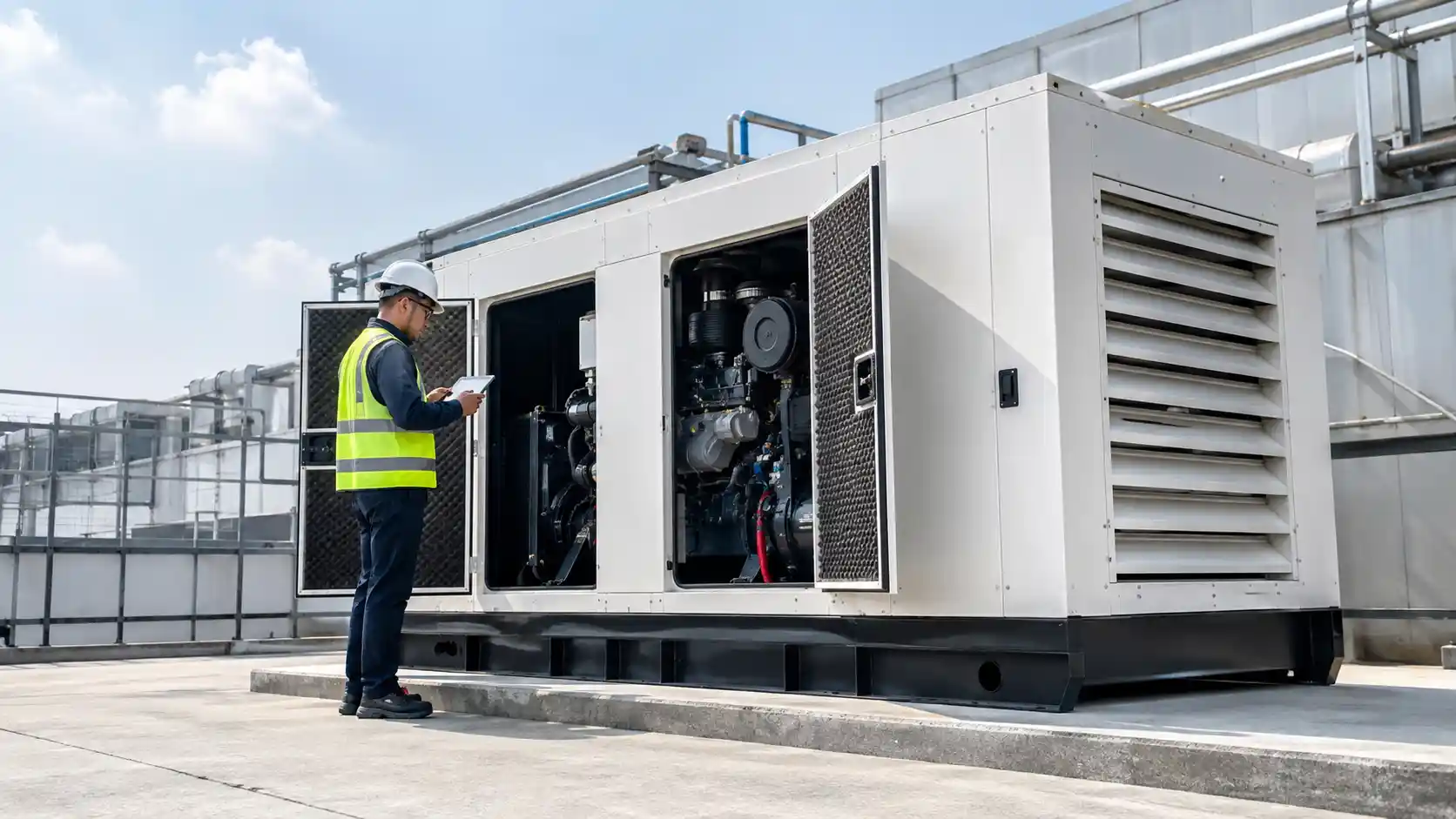
Un generador diésel silencioso se mantiene listo para usar mediante inspecciones programadas, pruebas de funcionamiento y mantenimiento específico para su modelo. El mantenimiento abarca el motor, el alternador, los controles y las piezas de la carcasa que gestionan el ruido y el aire de refrigeración. Cada revisión se vincula a una fecha, una hora de funcionamiento y un técnico. El registro resultante facilita las auditorías, las gestiones de garantía y la planificación del equipo.
¿Qué programa de mantenimiento necesita un generador diésel silencioso?
El cronograma se basa en las horas de funcionamiento, el tiempo del calendario, el servicio y las condiciones del lugar. El manual del motor establece los intervalos de servicio finales.
Antes de cada carrera o semanalmente para los conjuntos de reserva.
Realice una revisión visual antes de la operación diaria; un equipo de reserva puede requerir una revisión semanal. Busque fugas, verifique los niveles de fluidos e inspeccione las correas, mangueras, terminales de la batería, cableado y componentes del sistema de escape. Compruebe las alarmas del controlador, limpie las aberturas de ventilación y registre las horas de funcionamiento.
Cada dos semanas y mensualmente
Haga funcionar una unidad en espera inactiva durante cinco minutos cada dos semanas. Una unidad que no haya tenido carga debe funcionar al 50% de carga durante una o dos horas al mes. Registre la presión del aceite, la temperatura del refrigerante, el voltaje, la frecuencia y el aspecto del escape con el lista de control de mantenimiento del generador diesel.
Cada seis meses y según las horas de funcionamiento del motor.
Cada seis meses, simule fallas eléctricas, limpie las rejillas de ventilación de la tapa de la batería, apriete las conexiones de escape y los conectores eléctricos, y observe el indicador de control. Los intervalos de cambio de aceite, refrigerante y filtro se ajustan al motor instalado, la carga y las condiciones ambientales. Siga el calendario y los límites de horas de funcionamiento indicados en el manual del motor.
¿Cómo se debe realizar el mantenimiento del motor y del sistema de combustible?
El mantenimiento del motor abarca el arranque, la combustión y la refrigeración. Asegúrese de que cada consumible sea compatible con el modelo exacto del motor y registre cada cambio.
Aceite y filtros para motor
Compruebe el aceite con el motor detenido y nivelado. Inspeccione el cárter, el filtro y las mangueras para detectar contaminación o fugas. Cambie el aceite y su filtro en el intervalo indicado. Grupo generador diesel Cummins Contiene datos de servicio específicos del modelo, por lo que el presupuesto y el manual deben identificar el motor instalado.
Refrigerante, correas, mangueras y radiador
Compruebe el nivel, la concentración y el estado del refrigerante con el motor frío. Inspeccione las abrazaderas, las correas, las aletas del radiador y la zona del ventilador. Utilice un método de limpieza que proteja las aletas. Si se produce una pérdida recurrente de refrigerante o se activan las alarmas de alta temperatura, es necesario diagnosticar el problema antes de la siguiente prueba de funcionamiento.
Depósito de combustible, filtros y separador de agua
Inspeccione el tanque, las tapas, las tuberías y las conexiones para detectar fugas y corrosión. Drene el separador de agua y combustible y reemplace los filtros en los intervalos indicados. Controle los lotes de combustible y el estado del tanque. El almacenamiento prolongado requiere muestreo, tratamiento o reemplazo controlado según el estado del agua, los sedimentos y el combustible.
¿Qué componentes de la carcasa insonorizada requieren especial atención?
La cubierta gestiona el sonido, el flujo de aire y el acceso para el mantenimiento. Su estado debe incluirse en el mantenimiento rutinario del generador.
Paneles para marquesinas, tratamiento acústico, juntas y puertas.
Una configuración silenciosa documentada utiliza acero con recubrimiento en polvo, cerraduras y bisagras de acero inoxidable, puertas de acceso, una ventana de inspección y un tope de emergencia exterior. Inspeccione los sujetadores, la alineación de las puertas, los sellos, el revestimiento y el drenaje. Reemplace los sellos dañados, asegure el material acústico y revise cada pestillo y bisagra.
Rejillas de ventilación, deflectores y conductos de radiador
Los conductos de aire alimentan la combustión y la refrigeración del radiador, a la vez que desvían el sonido. Limpie el polvo, las hojas y los residuos de aceite de las rejillas y los deflectores. Compruebe que el aire caliente siga la trayectoria de salida. La recirculación eleva la temperatura de entrada y puede provocar una reducción de potencia o el apagado del aparato. Incluso una lámina de plástico cerca de una entrada puede detener el funcionamiento.
Silenciador, conexiones de escape y soportes antivibración
Una configuración silenciosa documentada incluye un silenciador residencial. Inspeccione su cuerpo, sección flexible, soportes y juntas para detectar hollín, corrosión, grietas y movimiento. Apriete las conexiones según las especificaciones. Revise los soportes del motor y del alternador para detectar grietas o piezas sueltas. Investigue cualquier vibración nueva antes de continuar la operación.
¿Cómo se prueban los sistemas eléctricos y de control?
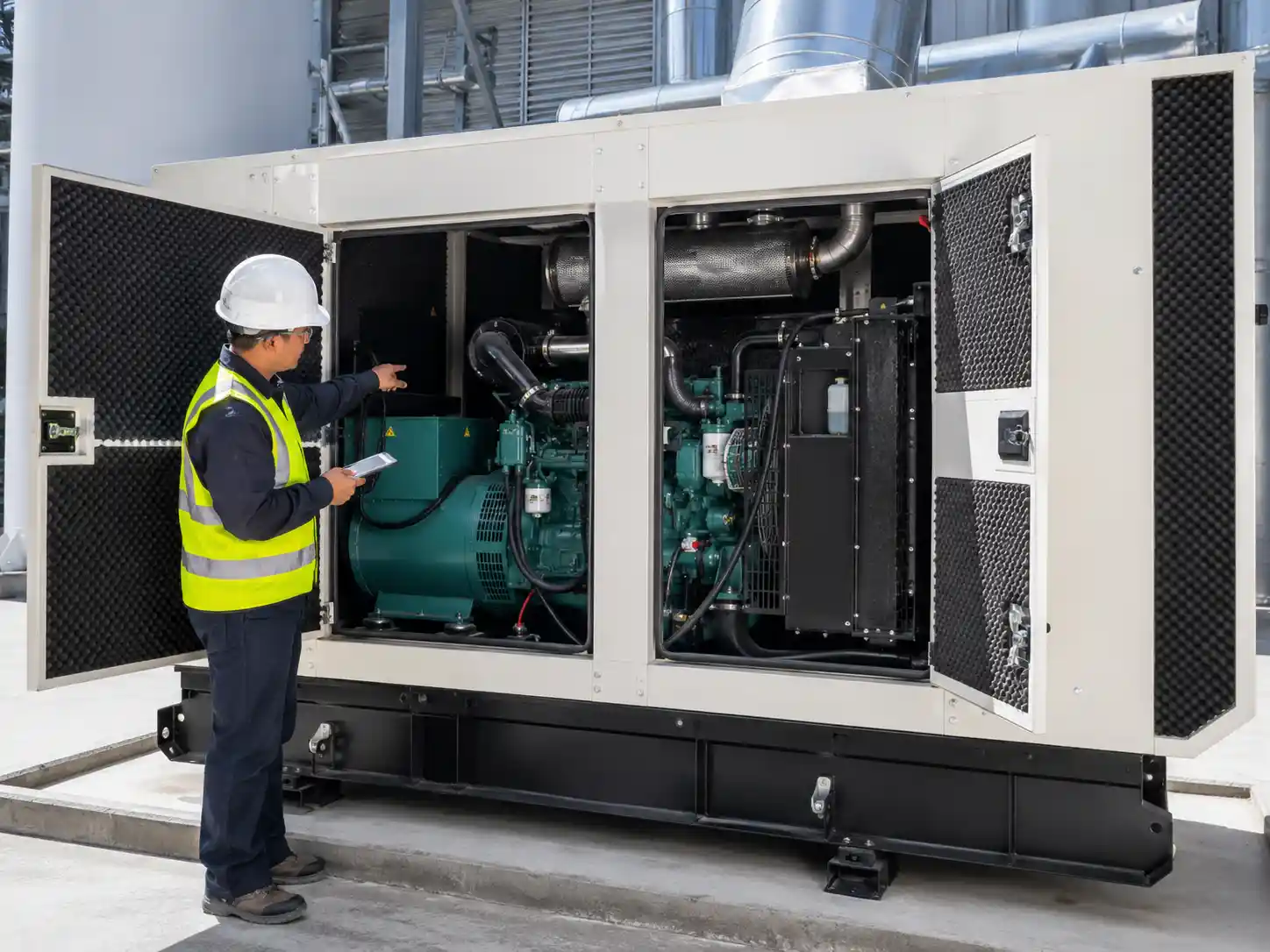
Las comprobaciones eléctricas confirman el arranque, la respuesta a la carga y la acción de protección. Las pruebas con tensión y los trabajos de protección deben ser realizados por personal cualificado.
Batería y sistema de arranque
Limpie la parte superior y las ventilaciones de la batería, inspeccione los terminales y los cables, y mida el voltaje. Revise el cargador y el circuito de arranque. Un arranque lento, el sobrecalentamiento de los terminales o las alarmas repetidas de bajo voltaje indican problemas con la batería, las conexiones, el cargador o el motor de arranque. Registre la antigüedad de la batería y los resultados de las pruebas.
Simulación de alarmas y protección del controlador
Las funciones documentadas del controlador incluyen arranque y parada automáticos, medición, protección contra alarmas, apagado, control remoto, medición remota y comunicación. Verifique los valores eléctricos y del motor mostrados mediante el procedimiento de prueba. Simule fallas aprobadas y registre la alarma, el apagado y la respuesta de reinicio.
Operación y pruebas de carga del ATS
Prueba la detección de fallas en la red eléctrica, el arranque del generador, la estabilidad de voltaje y frecuencia, la transferencia, el retorno de la red, la retransferencia y el enfriamiento. Registra los pasos de carga, las lecturas eléctricas, las temperaturas y las alarmas. Un banco de carga proporciona las condiciones de prueba necesarias cuando la demanda del sitio es insuficiente.
¿Cómo pueden las condiciones de funcionamiento modificar las necesidades de mantenimiento?
Las condiciones de trabajo y el entorno determinan la frecuencia de las inspecciones. Registre el polvo, la humedad, la temperatura, la altitud, la exposición a la sal y el patrón de funcionamiento.
Polvo, humedad, calor, altitud y corrosión
El polvo obstruye los filtros y las aletas del radiador. La humedad afecta el aislamiento y los depósitos de combustible. La sal marina ataca los paneles, los terminales y las piezas del sistema de escape. El calor y la altitud modifican la capacidad de refrigeración y del motor según los datos del modelo. La evidencia del sitio debería establecer intervalos más cortos para la contaminación o la corrosión.
Servicio de reserva, servicio principal y almacenamiento a largo plazo
Los grupos electrógenos principales acumulan horas de funcionamiento rápidamente; las unidades de reserva requieren pruebas de funcionamiento y comprobaciones de batería. El almacenamiento durante más de dos meses exige la documentación de los pasos de conservación para el combustible, el refrigerante, las baterías, las aberturas y las partes metálicas expuestas. Complete las comprobaciones de puesta en marcha especificadas antes de reanudar el servicio.
¿Qué registros y repuestos deben conservar los compradores?
Un archivo de mantenimiento facilita el diagnóstico y la compra de equipos. Manténgalo accesible para el personal de la planta y los socios de servicio.
Registros de servicio, manuales, informes de pruebas y datos de cableado.
Registre fechas, horas, lecturas, consumibles, hallazgos y trabajos correctivos. Conserve el manual de operación, el manual del motor, el diagrama de cableado, la configuración del controlador y el informe de prueba de fábrica. La documentación de suministro indica que cada unidad se somete a una prueba de carga antes de la entrega.
Filtros, correas, mangueras y piezas eléctricas compatibles con el modelo.
Elabore la lista de piezas a partir de los modelos exactos de motor, alternador, controlador y disyuntor. Establezca los niveles de existencias según el plazo de entrega y la criticidad del sitio. Incluya filtros, correas, mangueras, fusibles y relés programados. Proyecto de generador Weichai de 300 kVA Conecta la selección del motor con la planificación regional de piezas.
¿Qué señales de advertencia requieren atención inmediata?
Algunos síntomas conllevan un riesgo directo para la seguridad o los equipos. El procedimiento de parada y escalamiento aprobado rige la respuesta.
Fugas, baja presión de aceite, alta temperatura del refrigerante y humo.
Las fugas de combustible requieren aislamiento inmediato. La baja presión de aceite, la alta temperatura del refrigerante y las alarmas de parada repetidas requieren diagnóstico antes de realizar otra prueba con carga. Registre el color del humo, la carga y la sincronización para guiar las comprobaciones de los sistemas de combustible, aire, lubricación, refrigeración y combustión.
Nuevos problemas de ruido, vibración, restricción del flujo de aire y fallos de salida.
Inspeccione ruidos extraños, vibraciones, cambios en el escape y recirculación de aire caliente. Revise los herrajes de la cubierta, los soportes, las juntas del escape y los conductos de aire. La inestabilidad de voltaje, las fallas de carga, los problemas de arranque y las fallas de control requieren un diagnóstico eléctrico. Registre los síntomas, las alarmas y los trabajos recientes.
Acerca de UleenGen
Shandong Uleen Generator Co., Ltd. suministra grupos electrógenos abiertos, silenciosos y remolcables de ocho familias de motores documentadas. Los materiales de UleenGen cubren opciones de controladores y ATS, cubiertas, pruebas de carga de fábrica, manuales, instalación, mantenimiento y solución de problemas. Envíe el modelo, horas, servicio, condiciones del sitio, historial de alarmas y registros para servicio postventa de generadoresEstos detalles identifican las piezas aplicables y el siguiente paso de servicio para un generador diésel silencioso.
Preguntas frecuentes
P1: ¿Con qué frecuencia se debe realizar el mantenimiento de un generador diésel silencioso?
A: Revise diariamente el equipo en funcionamiento; para el equipo de reserva, puede que necesite revisiones semanales. Siga las instrucciones del manual del motor para el aceite, el refrigerante y los filtros.
P2: ¿Qué comprobaciones deben realizarse antes de arrancar el generador?
A: Compruebe los fluidos, las fugas, las correas, las mangueras, las baterías, el cableado, las piezas del escape, las aberturas de ventilación, las alarmas y el contador de horas.
P3: ¿Con qué frecuencia debe funcionar un generador diésel de reserva bajo carga?
A: Haga funcionar el sistema en ralentí durante cinco minutos cada dos semanas. Cuando no haya soportado carga, hágalo funcionar al 50 % de su capacidad durante una o dos horas al mes.
P4: ¿Qué componentes de la carcasa insonorizada necesitan inspección periódica?
A: Inspeccione los paneles del toldo, el revestimiento acústico, los sellos, las puertas, las rejillas de ventilación, los deflectores, el silenciador, las juntas de escape y los soportes antivibración.
P5: ¿Cuándo necesita un generador diésel una prueba de carga?
A: Utilice un banco de carga cuando la demanda del sitio no pueda proporcionar la condición de prueba o cuando el procedimiento de mantenimiento especifique uno.


