



اتصل بنا
-
3-2-1003 حديقة البرمجيات ، منطقة ويفانغ للتكنولوجيا العالية ، شاندونغ ، الصين
- +8615095247272
- sales@uleengen.com
-


كيفية اختيار مولد طاقة رئيسي للبناء


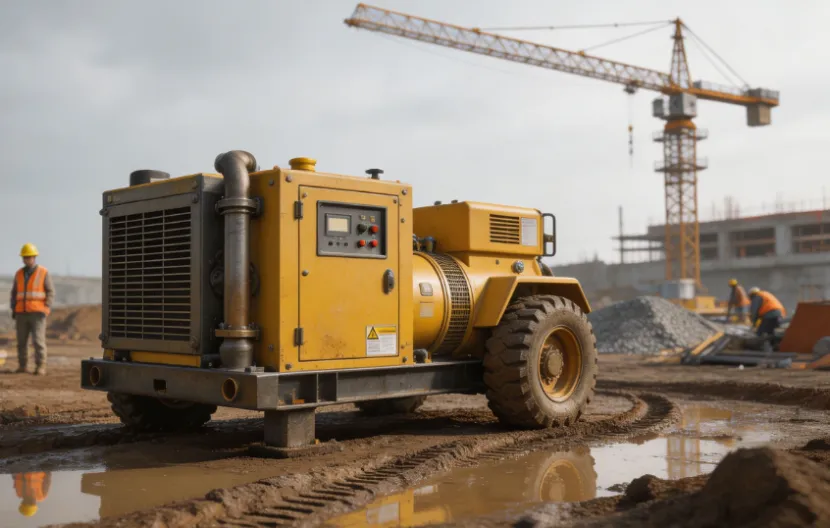
نادراً ما تتوفر إمكانية الوصول إلى شبكة الكهرباء في مواقع البناء النائية. إيجاد مواقع جيدة حلول الطاقة خارج الشبكة تُعدّ هذه الخطوة الأولى لتجنب التأخيرات الكبيرة في أي موقع ترابي. فإذا انقطع التيار الكهربائي، يتوقف العمل في الموقع بأكمله. تتوقف خلاطات الإسمنت عن الدوران، ويتوقف اللحامون عن العمل. وتؤدي هذه التأخيرات في المشاريع سريعًا إلى غرامات باهظة واستياء العملاء.
استخدام مصدر طاقة غير مناسب، مثل مولد بنزين صغير أو مولد احتياطي عادي للطوارئ، سيؤدي سريعًا إلى تلف المحرك. أنت بحاجة إلى مولد طاقة رئيسي لأعمال البناء ليتحمل مشقة العمل اليومي في المناطق النائية.
ما الفرق بين الطاقة الأساسية والطاقة الاحتياطية؟
معرفة الفرق بين تصنيفات الطاقة يجنبك شراء مولدات كهربائية غير مناسبة لموقعك. تُصنع المحركات بطرق مختلفة، وذلك حسب مدة التشغيل المطلوبة ومقدار الحمل الكهربائي الذي ستتحمله.
ما هو مولد الطاقة الاحتياطي؟
يُستخدم مولد الطاقة الاحتياطي فقط في حالات الطوارئ. فهو يعمل كشبكة احتياطية عند انقطاع التيار الكهربائي الرئيسي للمدينة. وتستخدم بعض الأماكن هذه المولدات لبضع ساعات شهريًا أثناء انقطاع التيار الكهربائي أو لإجراء اختبارات أساسية. إذا شغّلت مولد الطاقة الاحتياطي بكامل طاقته طوال اليوم في موقع متسخ، فسيسخن محركه بشدة، مما قد يؤدي إلى احتراقه بسرعة كبيرة.
ما هو مولد الطاقة الرئيسي؟
يُعد مولد الطاقة الرئيسي مصدرك الأساسي للكهرباء بشكل يومي. وعلى عكس مولدات الطوارئ الاحتياطية، يوفر مولد الطاقة الرئيسي... إمداد طاقة مستمر مناسب للعمل اليومي الكامل. فهو قادر على التعامل مع الأحمال الكبيرة المتغيرة لمدة تتراوح بين 8 و12 ساعة يوميًا. بل ويمكنه العمل على مدار الساعة طوال أيام الأسبوع إذا كان فريقك يعمل في نوبات ليلية. ونظرًا لعدم وجود شبكة كهرباء في مواقع البناء الجديدة، فإن وجود نظام طاقة رئيسي أمر لا غنى عنه.
لماذا يُعدّ الديزل عالي الأداء الخيار الأفضل لأعمال البناء؟
ادخل أي موقع بناء كبير، وستشم رائحة دخان الديزل فوراً. هناك سبب وجيه للغاية لعدم استخدام مديري المواقع لمحركات البنزين كمصدر طاقة أساسي. فمحركات الديزل تتحمل ضغط العمل في مواقع البناء المزدحمة بشكل أفضل بكثير.
المتانة في البيئات القاسية
تمتلئ مواقع البناء بالطين الكثيف والغبار الكثيف والظروف الجوية القاسية. تحتاج محركات البنزين إلى شمعات احتراق وأجزاء كهربائية صغيرة، وهذه الأجزاء تتسخ بسرعة في الأماكن المتسخة. في الأماكن التي تكثر فيها الأتربة والطين، توفر مولدات الديزل عالية التحمل متانة لا تضاهيها مولدات البنزين، حيث تعمل على إشعال الوقود بضغط عالٍ، مما يعني وجود عدد أقل من الأجزاء الصغيرة والضعيفة المعرضة للتلف.
كفاءة استهلاك الوقود وتكاليف التشغيل
يحتوي وقود الديزل على طاقة حقيقية أكبر لكل لتر. عند تشغيل مولد كهربائي لمدة عشر ساعات متواصلة، يتراكم استهلاك الوقود بسرعة كبيرة. تحرق محركات الديزل الوقود ببطء أكبر بكثير من محركات البنزين تحت الأحمال الثقيلة. خلال فترة بناء مدتها ستة أشهر، قد تغطي وفورات الوقود اليومية وحدها تكلفة إيجار المعدات بالكامل.
التعامل مع الأحمال الثقيلة باستخدام الطاقة ثلاثية الأطوار
يتطلب تشغيل المعدات الثقيلة، مثل الرافعات البرجية، مولدًا صناعيًا قويًا ثلاثي الأطوار للتعامل مع سحب الطاقة الكهربائية العالي بأمان. أما وحدات البنزين الصغيرة أحادية الطور، فستفصل قواطعها بمجرد محاولة تشغيل محرك كبير.
عند استخدام أدوات ثقيلة مثل الرافعات البرجية أو آلات اللحام الكبيرة، تحتاج إلى محرك يتحمل تغيرات الأحمال السريعة بكفاءة. لهذا السبب، يختار العديد من مديري المواقع مولدات الديزل كمصدر رئيسي للطاقة.
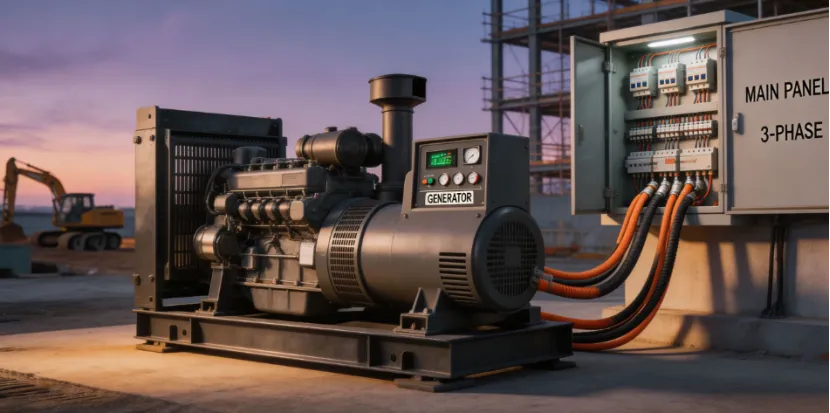
كيف تحدد حجم مولد الكهرباء في موقع البناء الخاص بك؟
شراء مولد كهربائي صغير جدًا يؤدي إلى انقطاعات متكررة للتيار الكهربائي وتعطل الأدوات. أما شراء مولد كبير جدًا فهو مجرد إهدار للديزل المكلف. يتطلب تحديد الطاقة المطلوبة بدقة بعض الحسابات، ولكنه يجنبك مشاكل كبيرة في المستقبل.
القدرة الكهربائية عند بدء التشغيل مقابل القدرة الكهربائية أثناء التشغيل
تحتاج المحركات الكهربائية إلى كمية هائلة من الطاقة لمجرد بدء الحركة. قد يحتاج المصعد إلى 15000 واط لبدء الدوران، لكنه يحتاج فقط إلى 5000 واط للاستمرار في العمل. إجراء حساب دقيق حساب حجم المولد يحافظ على أمان موقعك.
كما أنه يمنع الأحمال الكبيرة للمحركات من إتلاف مصدر الطاقة. عليك جمع استهلاك الطاقة الابتدائي لأكبر أدواتك الكهربائية لتحديد الحد الأدنى الحقيقي لاحتياجاتك.
إتاحة المجال للنمو
احرص دائمًا على زيادة المساحة المطلوبة بنحو 20%. تتوسع مشاريع البناء بسرعة، وغالبًا ما يُضيف مديرو المواقع غرفًا إضافية، أو أبراج إضاءة إضافية، أو معدات ثقيلة جديدة في منتصف المشروع. وجود هذه الغرفة الإضافية يعني أنك لن تحتاج أبدًا إلى استئجار مولد كهربائي ثانٍ لتشغيل نظام التبريد في غرفة الاستراحة.
ما هي الميزات التي يجب أن تبحث عنها في مولد المواقع؟
حجم المحرك ليس سوى جزء من المهمة. الغلاف الخارجي للترس هو الذي يحدد مدى سهولة استخدامه فعلياً في ساحة ترابية ضيقة وموحلة.
حواجز ومظلات متينة
أنت بحاجة إلى مظلة فولاذية سميكة لحماية الأجزاء الداخلية للمحرك. فهي تمنع سقوط الحطام، والأمطار الغزيرة، وسائقي الرافعات الشوكية غير الماهرين من إلحاق الضرر به. إذا كان موقعك قريبًا من منازل، فإن شراء وحدة مزودة بمظلة عازلة للصوت للمولد سيساعدك على الامتثال لقوانين الضوضاء المحلية الصارمة. لا أحد يرغب في أن تغلق البلدية موقعه بسبب جيرانه الغاضبين.
سهولة النقل والرفع
تزن معدات الطاقة الصناعية آلاف الكيلوغرامات. ولتسهيل نقل الأشياء عبر الأراضي الوعرة، ينبغي على قادة المشاريع البحث عن مجموعات مولدات كهربائية مثبتة على قاعدة انزلاقية مزودة بنقاط رفع مركزية. جيوب رافعة شوكية عميقة وقضيب سحب قوي يعني أن طاقمك يستطيع سحب أو رفع الوحدة عبر الطين مع تغير العمل.
كيف تتناسب شركة UleenGen مع استراتيجية القوة الخاصة بك؟
يُعدّ اختيار الأدوات الكهربائية المناسبة قرارًا مكلفًا. أنت بحاجة إلى صديق يعرف تمامًا ما يلزم للحفاظ على سير العمل في موقع العمل بكفاءة دون انقطاعات مفاجئة للتيار الكهربائي.
هنا يأتي دور شركة UleenGen. بصفتها شركة رائدة في تصنيع معدات الطاقة القوية، تقوم UleenGen ببناء وبيع مجموعات مولدات كهربائية صناعية عالية الجودة. تصنعها خصيصًا لتلبية الاحتياجات القاسية للبناء والعمل في المناطق النائية. بدلاً من مجرد بيع صناديق أساسية، أولين جين نسعى جاهدين لمطابقة كتلة المحرك والمولد الكهربائي المناسبين لاحتياجات موقعك بدقة. ربما تحتاج إلى مولد صغير بقدرة 50 كيلو فولت أمبير لتشغيل بعض غرف الموقع.
أو ربما تجهيزات ضخمة للحفر العميق. صُممت معداتهم للعمل المتواصل والثابت. يستخدمون قطع غيار عالمية عالية الجودة لبناء مولدات طاقة رئيسية لا تتوقف عن العمل حتى في ظل الغبار أو البرد القارس. يضمن اختيار المعدات المناسبة من شركة مصنعة جيدة توفير طاقة مؤقتة مستقرة في الموقع، مما يُبقي فريق العمل يعمل ويُنجز المشروع في الوقت المحدد.
أسئلة متكررة
س1: ما هو الفرق الرئيسي بين الطاقة الأساسية والطاقة الاحتياطية؟
ج: صُممت مولدات الطاقة الأساسية للعمل بشكل متواصل كمصدر رئيسي للطاقة في المواقع التي لا تتوفر فيها شبكة كهرباء. أما مولدات الطاقة الاحتياطية، فهي مخصصة فقط لعمليات الإنقاذ القصيرة عند انقطاع التيار الكهربائي عن الشبكة الرئيسية.
س2: لماذا تفضل مواقع البناء الديزل على البنزين؟
ج: محركات الديزل تتحمل الظروف القاسية بشكل أفضل. فهي تستهلك وقوداً أقل خلال فترات العمل الطويلة. كما أنها تتحمل بسهولة ذروات الطاقة الهائلة اللازمة لتشغيل الأدوات الكبيرة.
س3: كيف يمكنني حساب حجم المولد المناسب لموقعي؟
أ: اجمع القدرة الكهربائية اللازمة لبدء تشغيل جميع مولدات الديزل التي تعمل في نفس الوقت. ثم أضف هامش طاقة احتياطي بنسبة 20%. هذا الهامش الإضافي يغطي أي نمو مفاجئ في الموقع.
س4: ما هو المولد المثبت على قاعدة انزلاقية؟
ج: إنها مثبتة مباشرة على قاعدة فولاذية متينة. يحتوي الإطار على جيوب مدمجة للرافعة الشوكية وقضبان سحب. لذلك، يمكن للطواقم سحب الجهاز بسلاسة عبر الطين الكثيف.
س5: لماذا تعتبر الطاقة ثلاثية الأطوار ضرورية للبناء؟
ج: تستهلك معدات مثل الرافعات البرجية وآلات اللحام الضخمة طاقة عالية. فهي تحتاج إلى تغذية كهربائية ثابتة وكبيرة. ويتولى نظام ثلاثي الأطوار إدارة هذا الاستهلاك الكهربائي الهائل بأمان.


