



اتصل بنا
-
3-2-1003 حديقة البرمجيات ، منطقة ويفانغ للتكنولوجيا العالية ، شاندونغ ، الصين
- +8615095247272
- sales@uleengen.com
-


دليل تحديد حجم مولدات مراكز البيانات لأحمال عمل الذكاء الاصطناعي: كيلوواط، كيلو فولت أمبير، مؤشر فعالية الطاقة، تخفيض القدرة، وN+1


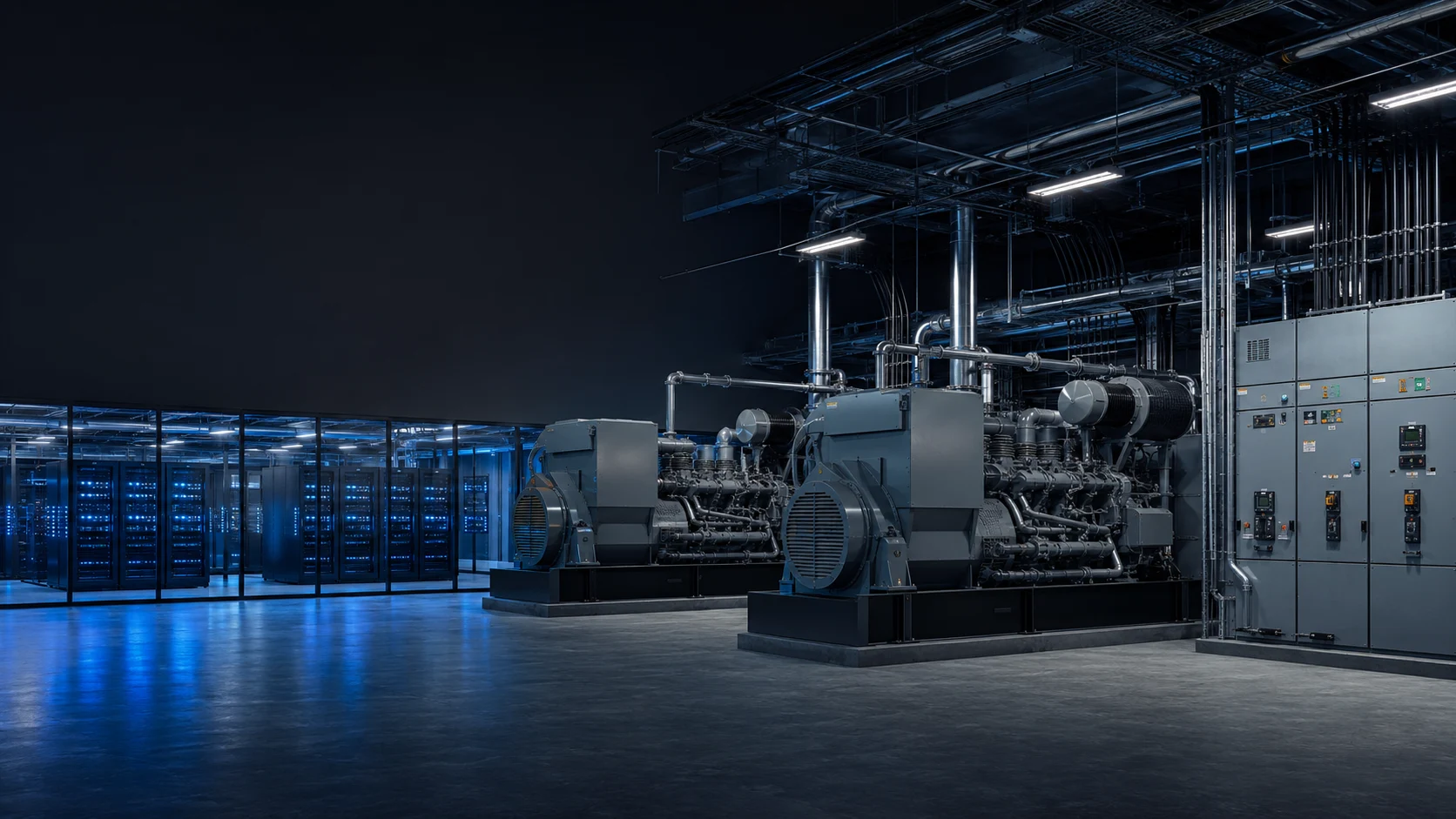
يبدأ تحديد حجم مولدات مركز البيانات بدقة من ذروة الحمل الحرج للمنشأة، وليس من خلال بيانات لوحة بيانات المولد أو حمل تكنولوجيا المعلومات فقط. يجب على المهندسين تحويل حمل التصميم من كيلوواط إلى كيلو فولت أمبير، والتحقق من كيفية عمل أنظمة UPS وأحمال الحوسبة الذكية أثناء التحولات، وتطبيق تخفيض القدرة الخاص بالموقع، ثم حساب عدد المولدات المطلوبة لبنية التكرار المختارة.
تحدد هذه العملية حجم مولد النسخ الاحتياطي الذي يحتاجه مركز بيانات الذكاء الاصطناعي وتساعد على منع حدوث نتيجتين مكلفين: نظام لا يستطيع تحمل الحمل أثناء انقطاع الخدمة، أو معدات ضخمة تزيد التكلفة دون تحسين المرونة.
ما هي المعلومات المطلوبة قبل تحديد حجم مولد مركز البيانات؟
يتطلب حساب أحمال مولدات مركز البيانات بدقة أكثر من مجرد عدد الخوادم أو إجمالي القدرة المقدرة لوحدات تكنولوجيا المعلومات. يجب على فريق التصميم تحديد جميع الأحمال التي ستظل موصولة بالتيار الكهربائي بعد انقطاع التيار الرئيسي، وتحديد كيفية توصيل هذه الأحمال بنظام المولدات.
قم بإنشاء جدول أحمال حرجة لأنظمة تكنولوجيا المعلومات والتبريد وأنظمة الطاقة غير المنقطعة والأنظمة المساعدة
بالنسبة للمنشآت الجديدة، يبدأ جدول الأحمال عادةً بتجهيزات تكنولوجيا المعلومات المخطط لها، وتكوين نظام الإمداد بالطاقة غير المنقطعة (UPS)، ونظام التبريد، والمضخات، وأجهزة التحكم، وإضاءة الطوارئ، وغيرها من البنية التحتية المطلوبة. أما بالنسبة لمراكز البيانات القائمة، فقد يكون قياس ذروة الطلب مفيدًا، ولكن ينبغي مراجعته في ضوء التوسع المخطط له في مجال الذكاء الاصطناعي وظروف التبريد الموسمية.
ليس من الضروري أن تتلقى جميع الأحمال المتصلة طاقة احتياطية. يمكن استثناء معدات المكاتب غير الأساسية، ووحدات التبريد الاحتياطية، أو أحمال مساعدة محددة من خلال تخفيف الأحمال. ومع ذلك، يتطلب فصلها تسلسلًا تشغيليًا يمكن تنفيذه بواسطة نظام التحكم والتوزيع.
|
مجموعة التحميل |
المعلومات المطلوبة |
مخاطر تحديد الحجم الرئيسية |
|
رفوف تكنولوجيا المعلومات |
الطلب المستمر والذروة والمتكرر على الطاقة |
قد لا يعكس الطلب على اللوحة الاسمية سلوك التشغيل الفعلي |
|
نظام UPS |
الكفاءة، ومعامل القدرة، وإعدادات الدخول السريع |
التوافقيات، والقدرة التفاعلية الرائدة، ونقل الأحمال السريع |
|
معدات التبريد |
تشغيل كيلوواط، بدء تشغيل المحرك وتسلسله |
يمكن أن تتجاوز عمليات التشغيل المتزامنة تقديرات الحمل الساكن |
|
الأنظمة المساعدة |
المضخات، وأجهزة التحكم، والإضاءة، ومعدات الوقود |
غالباً ما يتم استبعاد الأحمال الصغيرة من الحسابات الأولية |
|
المراحل المستقبلية |
كثافة الرفوف المخطط لها وجدول النشر |
يمكن إضافة بدل التوسعة مرتين |
عند عدم توفر البيانات المقاسة، ينبغي توثيق الافتراضات واختبارها من خلال حسابات الحساسية. قبل إصدار طلب عرض أسعار، يجب أن يتلقى المورد جدولًا واضحًا للأحمال الحرجة بدلًا من قيمة تقديرية واحدة بالكيلوفولت أمبير.
كيف ينبغي استخدام مؤشر كفاءة استخدام الطاقة (PUE) في حسابات أحمال المولدات؟
يمكن أن يساعد مؤشر كفاءة استخدام الطاقة (PUE) في تقدير استهلاك الطاقة للمنشأة خلال مرحلة التخطيط المبكرة:
الحمل الأولي للمنشأة = حمل تكنولوجيا المعلومات التصميمي × مؤشر فعالية استخدام الطاقة التصميمي
على سبيل المثال، يمكن تحويل حمل تكنولوجيا المعلومات إلى تقدير أولي لحمل المنشأة بتطبيق معامل فعالية استخدام الطاقة (PUE) التصميمي الذي يشمل تكاليف التبريد والطاقة الكهربائية الإضافية. مع ذلك، فإن معامل فعالية استخدام الطاقة (PUE) هو في الأساس نسبة كفاءة: إجمالي طاقة المنشأة مقسومًا على طاقة معدات تكنولوجيا المعلومات. وهو ليس بديلاً عن جدول أحمال الطوارئ القصوى.
قد يُقلل مؤشر فعالية استخدام الطاقة (PUE) التشغيلي السنوي من تقدير الطلب الفعلي خلال درجات الحرارة القصوى، بينما قد لا يعكس المتوسط الصناعي تصميم التبريد أو المناخ أو مستوى التكرار في منشأة معينة. لذا، يُمكن لمؤشر فعالية استخدام الطاقة (PUE) أن يُساعد في وضع الميزانية الأولية وفحص سعة المولدات، ولكن ينبغي أن يعتمد تحديد حجم مولدات الطاقة الاحتياطية في مركز البيانات على أحمال الذروة، وتسلسلات بدء التشغيل، وسلوك نظام الإمداد بالطاقة غير المنقطعة (UPS)، وحدود الطاقة الاحتياطية الفعلية.
كيف يتم تحويل حمل مركز البيانات من كيلوواط إلى كيلو فولت أمبير للمولد؟
تُقاس قدرة محركات المولدات عادةً بالقدرة الفعالة بالكيلوواط، بينما يجب أن تحمل المولدات الكهربائية ومعدات توزيع الطاقة الكهربائية أيضًا القدرة الظاهرية بالكيلوفولت أمبير. العلاقة الأساسية هي:
كيلو فولت أمبير = كيلو واط ÷ معامل القدرة
قد يؤدي استخدام معامل قدرة افتراضي قدره 0.8 دون فحص الأجهزة المتصلة إلى استخدام مولد تيار متردد غير مناسب. تحتوي مراكز البيانات على مقومات UPS، ومرشحات، ومحركات متغيرة التردد، ووحدات تزويد طاقة ذات وضع تبديل، والتي قد تُنتج توافقيات أو قدرة تفاعلية متقدمة. حتى المولد ذو قدرة المحرك الكافية (كيلوواط) قد يعمل خارج نطاق قدرة مولد التيار المتردد المقبولة.
لذا، ينبغي أن تحدد مواصفات مولد مركز البيانات القدرة التشغيلية بالكيلوواط، والقدرة المتوقعة بالكيلوفولت أمبير، ومعامل القدرة، وخطوات التحميل، والانحرافات المقبولة في الجهد والتردد. كما ينبغي على فرق المشتريات طلب معلومات حول قدرة المولد الكهربائي ونتائج تحديد الحجم من الشركة المصنعة. ويجب التحقق من التكوين المختار مقابل تصميم نظام الإمداد بالطاقة غير المنقطعة (UPS) الفعلي، بدلاً من الاعتماد على تحويل عام من كيلوواط إلى كيلوفولت أمبير فقط.
لماذا قد يتسبب مولد كهربائي بقدرة كافية بالكيلوواط في فشل حمل مركز بيانات الذكاء الاصطناعي؟
لا تُعدّ السعة الثابتة سوى جزء واحد من عملية اختيار المولد. يجب أن يستجيب مولد النسخ الاحتياطي لمركز بيانات الذكاء الاصطناعي أيضًا لتغيرات الحمل دون التسبب في انحرافات غير مقبولة في الجهد أو التردد.
التحقق من صحة أحمال الخطوة للذكاء الاصطناعي، ودخول UPS، والتوافقيات، والقدرة الفعالة الرائدة
يمكن أن تُنتج مجموعات الحوسبة الكبيرة للذكاء الاصطناعي تقلبات سريعة في الطاقة وذروات متكررة. وقد أشار معهد Uptime إلى أن التحدي لا يقتصر على زيادة الحمل لفترة قصيرة واحدة؛ إذ يمكن أن تُسبب التغيرات المتكررة في الأحمال إجهادًا كهربائيًا وحراريًا متكررًا على البنية التحتية التي تقترب أحجامها من قدرتها القصوى.
يُعدّ تسلسل تشغيل وحدة الإمداد غير المنقطع للطاقة (UPS) بالغ الأهمية. إذ يُمكن لوظيفة التشغيل التدريجي المُتحكّم بها في وحدة الإمداد غير المنقطع للطاقة إعادة الحمل إلى المولد تدريجيًا بعد بدء التشغيل. وبدون تسلسل مناسب، قد تُحاول عدة وحدات من وحدات الإمداد غير المنقطع للطاقة، أو محركات التبريد، أو الأنظمة المساعدة تحميل المولد في وقت متقارب.
ينبغي أن تحدد المراجعة الهندسية أكبر زيادة متوقعة في الحمل، وخصائص مدخلات وحدة الإمداد بالطاقة غير المنقطعة (UPS)، وتسلسل بدء تشغيل المحرك، وحدود التوافقيات، وأداء الاستعادة المطلوب. كما ينبغي أن تتضمن مواصفات الشراء حسابات تستند إلى برامج تحديد الأحجام الخاصة بالشركة المصنعة وشروط اختبار محددة بوضوح. إن الاكتفاء باشتراط "قبول الحمل الكامل بنسبة 100%" قد يزيد التكلفة دون أن يعكس تسلسل التشغيل الفعلي للمنشأة.
كيف يؤثر الارتفاع ودرجة الحرارة والنمو المستقبلي على حجم المولد؟
تعتمد سعة لوحة بيانات المولد على ظروف مرجعية محددة. قد تؤدي درجات الحرارة المحيطة المرتفعة، أو الارتفاع عن سطح البحر، أو محدودية تدفق الهواء، أو نظام التبريد البعيد إلى تقليل الطاقة الإنتاجية المتاحة في موقع المشروع.
حساب سعة الموقع القابلة للاستخدام من بيانات تخفيض القدرة الخاصة بالنموذج
العلاقة الأولية هي:
سعة اللوحة الاسمية المطلوبة = حمل التصميم ÷ معامل سعة الموقع المؤكد
يجب استخلاص عامل السعة من وثائق المحرك والمولد الكهربائي ونظام التبريد المُختار. لا ينبغي تطبيق نسبة مئوية موحدة على جميع المولدات لأن تخفيض القدرة يختلف باختلاف الطراز والتكوين. كما يجب التمييز بين تأثير درجة الحرارة والارتفاع وبين البدلات المُخصصة للنمو المستقبلي والاستجابة العابرة.
على سبيل المثال، قد يتطلب مشروع ما تعديلات منفصلة لمخرجات الموقع المُصنّفة، والتوسع المُخطط له في تكنولوجيا المعلومات، وأكبر زيادة في الحمل. إن دمج هذه العوامل الثلاثة في هامش أمان غير مُبرر يجعل مقارنة عروض الموردين أمرًا صعبًا، وقد يؤدي إلى مبالغة غير ضرورية في تقدير الحجم.
قبل الشراء، يجب على المورد تأكيد القدرة بالكيلوواط (kW) والقدرة بالكيلوفولت أمبير (kVA) المتاحة عند الارتفاع المحدد، وأقصى درجة حرارة محيطة، ونظام التهوية، والتردد.
كيف تحدد حجم محطة توليد الطاقة لمركز البيانات N+1؟
بعد تحديد السعة المطلوبة والمُعدّلة حسب الموقع، يبرز السؤال التالي: كم عدد المولدات التي يحتاجها مركز البيانات؟ وتعتمد الإجابة على سعة الوحدة القابلة للاستخدام، ومتطلبات الصيانة، وسيناريوهات الأعطال، وبنية توزيع الطاقة المختارة.
احسب سعة N وعدد وحدات المولد المطلوبة
بالنسبة لأنظمة المولدات المعيارية، فإن الحساب الأولي المفيد هو:
عدد الوحدات = السقف (حمل التصميم الحرج ÷ السعة القابلة للاستخدام لكل وحدة)
إجمالي الوحدات N+1 = N وحدة + 1
يمثل الرقم "+1" وحدة إضافية تتجاوز العدد المطلوب لدعم الحمل التصميمي. وهو ليس نسبة مئوية تُضاف إلى كل مولد. يجب التحقق من الحساب في حالة عدم توفر أحد المولدات، مع مراعاة ما إذا كانت الوحدات المتبقية ومفاتيح التوزيع ومسارات التوزيع قادرة على تحمل الحمل المطلوب.
لا يُعادل تصنيف N+1 بالضرورة مستوىً مُحددًا من مستويات مركز البيانات. إذ تُغطي تصنيفات معهد Uptime متطلبات أوسع نطاقًا، مثل إمكانية الصيانة المتزامنة، ومكونات السعة الاحتياطية، ومسارات التوزيع. لذا، يجب تنسيق عدد المولدات مع البنية الكهربائية الكاملة.
اختر بين مولد واحد كبير ووحدات متوازية معيارية
قد يُقلل مولد كهربائي كبير واحد من عدد المحركات وأجهزة التحكم ونقاط التوصيل. وقد يكون مناسبًا لمنشأة أصغر حيث يسمح نموذج الموثوقية المُعتمد بوحدة احتياطية واحدة. لكنّ القيد يكمن في أن الصيانة المُخططة أو عطل مولد واحد قد يُؤدي إلى انقطاع مصدر الطاقة الاحتياطي بالكامل ما لم يتوفر مصدر طاقة مستقل آخر.
يمكن للوحدات المتعددة المتوازية دعم التكرار N+1، والتوسع التدريجي، والصيانة حتى مع تعطل إحدى الوحدات. كما تتطلب هذه الوحدات ضوابط تزامن، ومشاركة الأحمال، وحماية متوافقة، ونظام مفاتيح كهربائية مصمم بشكل مناسب.
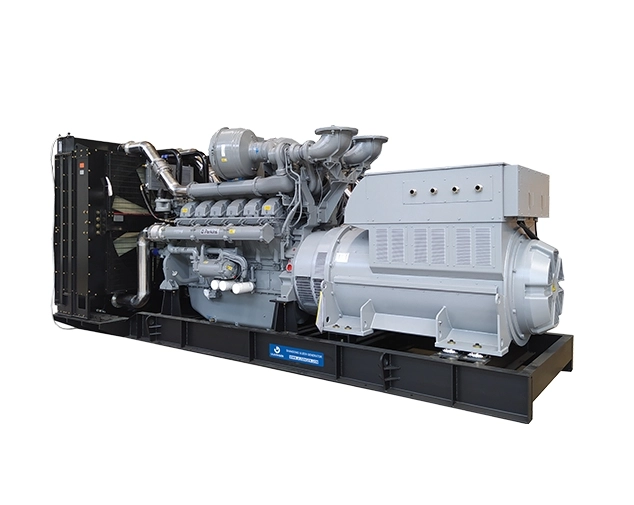
تقدم UleenGen مجموعات مولدات الديزل بقدرة 1000-3750 كيلو فولت أمبير تتوفر هذه المنتجات بتكوينات مختلفة للمحرك والمولد والجهد الكهربائي والتردد (50/60 هرتز). تشمل مجموعة المنتجات تصميمات مفتوحة ومُغلّفة، وتُعدّ مراكز البيانات أحد التطبيقات المحتملة. يجب اختيار طراز مُحدد فقط بعد التأكد من سعة الموقع المُصنّفة، وأداء التشغيل العابر، والجهد الكهربائي، وهيكل التركيب، ومتطلبات التكرار.
كيف يمكن تجنب اختيار المقاسات الصغيرة جدًا أو الكبيرة جدًا قبل الشراء؟
ينبغي اختبار الحسابات الأولية في ضوء عدة سيناريوهات تشغيلية قبل أن تصبح مواصفات شراء:
- انقطاع التيار الكهربائي عند ذروة الحمل الحرج المتوقع
- أقصى طلب تبريد موسمي
- مولد واحد غير متوفر في نظام N+1
- المرحلة التالية المخطط لها من قدرات تكنولوجيا المعلومات أو الذكاء الاصطناعي
- نقل وإعادة شحن نظام الطاقة غير المنقطعة (UPS) بعد استقرار المولد
- انقطاع التيار الكهربائي أو تأخير توصيل المعدات غير الحيوية
قد يؤدي اختيار مولدات أصغر من اللازم إلى زيادة الأحمال، وانحرافات مفرطة في الجهد أو التردد، وعدم نجاح نقل الأحمال، وانقطاع التيار الكهربائي. أما اختيار مولدات أكبر من اللازم فيزيد من التكلفة الرأسمالية، وقد يُجبر مولدات الديزل على العمل لفترات طويلة بحمل خفيف غير مناسب.
ينبغي أن يفصل التقييم النهائي بين القدرة المستدامة، والقدرة على التكيف مع الظروف الطارئة، والتخفيض البيئي، والنمو المستقبلي. ويجب على مهندس الكهرباء في المشروع التحقق من النتائج ذات الصلة، ودعمها بمعلومات تحديد الحجم الخاصة بالشركة المصنعة. كما قد تؤثر القوانين المحلية، ومتطلبات الانبعاثات، وتخزين الوقود، والجهات المختصة على التكوين النهائي.
ما الذي يجب تضمينه في طلب عرض أسعار لمولد بيانات مركز البيانات؟
يُمكّن طلب عروض الأسعار الكامل الموردين من تقديم عروضهم بناءً على نفس الأسس الفنية. كما يكشف ما إذا كان اختيار المولد المقترح قد تم من خلال حسابات هندسية أم أنه تم اختياره بناءً على قيمة اسمية بالكيلو فولت أمبير فقط.
أرسل للموردين قائمة تدقيق كاملة للحمولة والموقع وخيارات التكرار
يجب أن يتضمن طلب عرض أسعار لمولد مراكز البيانات ما يلي:
- الحمل التشغيلي الحرج بالكيلوواط والكيلو فولت أمبير
- معامل القدرة المتوقع وتكوين نظام الإمداد غير المنقطع للطاقة (UPS)
- أكبر خطوة تحميل وتسلسل التحميل المخطط له
- الجهد المطلوب، والطور، والتردد 50 أو 60 هرتز
- ارتفاع الموقع وأقصى درجة حرارة محيطة
- توقعات وقت الاستعداد ووقت التشغيل
- هدف التكرار N أو N+1 أو أي هدف تكرار آخر
- تركيب داخلي أو خارجي، صامت أو داخل حاوية
- متطلبات استقلالية الوقود ونظام الوقود
- متطلبات نظام تتبع المتقدمين (ATS) والمزامنة والاتصال
- الضوضاء والانبعاثات والشروط التنظيمية المحلية المعمول بها
- جدول التوسع المستقبلي
بالنسبة لمشروع الاستبدال، يجب على المشتري أيضًا تقديم بيانات المولد الحالي، وسجلات الأحمال المقاسة، وتصنيفات لوحة المفاتيح، والمساحة المتاحة، وأي مشاكل سابقة في النقل أو قبول الأحمال.
قيّم الموردين بناءً على الأدلة الهندسية، وليس على الطاقة الإنتاجية الاسمية فقط.
ينبغي أن يكون مورد مولدات مراكز البيانات المناسب قادرًا على شرح كيفية حساب السعة المقترحة، وتحديد القدرة الإنتاجية المقدرة للموقع، وتوضيح الافتراضات المستخدمة لمعامل القدرة، وتغيرات الحمل، والتوسع. بالنسبة للمحطات المعيارية، يجب أن يحدد العرض أيضًا مسؤوليات التزامن، ومشاركة الأحمال، والحماية، والتحكم.
تُصنّع شركة شاندونغ أولين للمولدات المحدودة مجموعات المولدات منذ عام 2011، وتقدم خدمات الاستشارات الفنية والتركيب والصيانة. تشمل منتجاتها مجموعات مولدات الديزل والغاز، والهياكل المفتوحة والصامتة والمُعبأة في حاويات، وخزائن التحويل التلقائي، ولوحات التزامن، وتكوينات الجهد المتوسط/العالي. للمزيد من المعلومات حول الشركة، يُرجى زيارة موقعها الإلكتروني. قدرات تصنيع المولدات والقدرات التقنية حساب تعريفي.
ينبغي على المشترين تقييم العرض الفني الدقيق لمشروعهم. تشمل الأدلة المفيدة المواصفات الخاصة بالنموذج، وبيانات المولد، ومعلومات خفض القدرة البيئية، وتفاصيل نظام التحكم، وحدود الإمداد، وشروط اختبار القبول المقترحة.
استنتاج
ينبغي أن يتطور تحديد حجم مولدات مركز البيانات من جدول الأحمال الحرجة إلى حساب القدرة بالكيلوواط والقدرة بالكيلوفولت أمبير، والتحقق من صحة الأحمال الديناميكية، وتخفيض قدرة الموقع، وتحليل التكرار. يمكن لمؤشر فعالية استخدام الطاقة (PUE) أن يدعم التقدير الأولي، ولكنه لا يغني عن بيانات ذروة الأحمال، أو خصائص نظام الإمداد غير المنقطع للطاقة (UPS)، أو مراجعة هندسية خاصة بالنموذج.
بالنسبة لتكوين UleenGen الأولي، يمكن لفرق المشروع تقديم متطلبات المشروعبما في ذلك الحمل الحرج، والجهد، والتردد، وبيانات نظام الإمداد غير المنقطع للطاقة (UPS)، والارتفاع، ودرجة الحرارة المحيطة، ومستوى التكرار المطلوب، وترتيبات التركيب. تدعم هذه المعلومات اختيارًا أوليًا أكثر ملاءمة من طلب مولد بناءً على القيمة الاسمية (kVA) فقط. تتوفر معلومات إضافية عن المنتج والتطبيق من أولين جين.
الأسئلة الشائعة
هل يستطيع مؤشر كفاءة استخدام الطاقة (PUE) وحده تحديد حجم المولد المطلوب؟
لا، يمكن لـ PUE تحويل الحمل التقديري لتكنولوجيا المعلومات إلى رقم مبكر لحمل المنشأة، ولكنه قد لا يمثل ذروة طلب التبريد، أو حدود حمل الطوارئ، أو سلوك نظام UPS. يجب أن يعتمد تحديد حجم المولد النهائي على جدول زمني مفصل لذروة الحمل الحرج وتسلسل التشغيل الفعلي.
هل تحتاج مراكز بيانات الذكاء الاصطناعي دائمًا إلى مولدات احتياطية أكبر؟
ليس بالضرورة. تعتمد السعة على تصميم حمل تكنولوجيا المعلومات، ومتطلبات التبريد، وذروة الطلب المتكررة، وتكوين نظام الإمداد بالطاقة غير المنقطعة (UPS)، وخطة التوسع. تزيد أحمال العمل الخاصة بالذكاء الاصطناعي من أهمية تحليل الأحمال الديناميكية، ولكن مصطلح "الذكاء الاصطناعي" وحده لا يحدد حجم المولد.
كم عدد المولدات التي يحتاجها مركز بيانات من نوع N+1؟
احسب أولاً عدد وحدات المولدات المطلوبة لتحمل الحمل الحرج المصمم. ثم أضف وحدة إضافية. يجب أن يظل النظام المتبقي قادراً على دعم الحمل المطلوب حتى في حالة تعطل أي وحدة.
كيف يؤثر الارتفاع على قدرة مولدات مركز البيانات؟
قد يؤدي الارتفاع العالي إلى تقليل سعة المحرك ونظام التبريد المتاحة، ولكن مقدار هذا النقص يختلف باختلاف الطراز وظروف التشغيل. يجب على المورد توفير بيانات القدرة بالكيلوواط (kW) والفولت أمبير (kVA) المُقدَّرة للموقع، وذلك وفقًا للارتفاع المحدد ودرجة الحرارة القصوى وترتيب التركيب.
ما المعلومات التي يحتاجها مورد المولدات الكهربائية للحصول على عرض أسعار دقيق؟
يحتاج المورّد إلى تحديد القدرة الكهربائية (كيلوواط) والقدرة الظاهرية (كيلوفولت أمبير)، ومعامل القدرة، وتفاصيل نظام الإمداد بالطاقة غير المنقطعة (UPS)، ومستويات التحميل، والجهد، والتردد، والارتفاع، ودرجة الحرارة، ووقت التشغيل، ومستوى التكرار المستهدف، وهيكل التركيب، وخطة التوسع المستقبلية. كما يجب تضمين متطلبات الضوضاء والانبعاثات واستقلالية الوقود ومتطلبات لوحة التوزيع.


