



Свяжитесь с нами
-
3-2-1003 Software park, Weifang Hi-tech Zone, Шаньдун, Китай
- +8615095247272
- sales@uleengen.com
-


Yuchai Gas Generator Sizing I Continuous Power I UleenGen


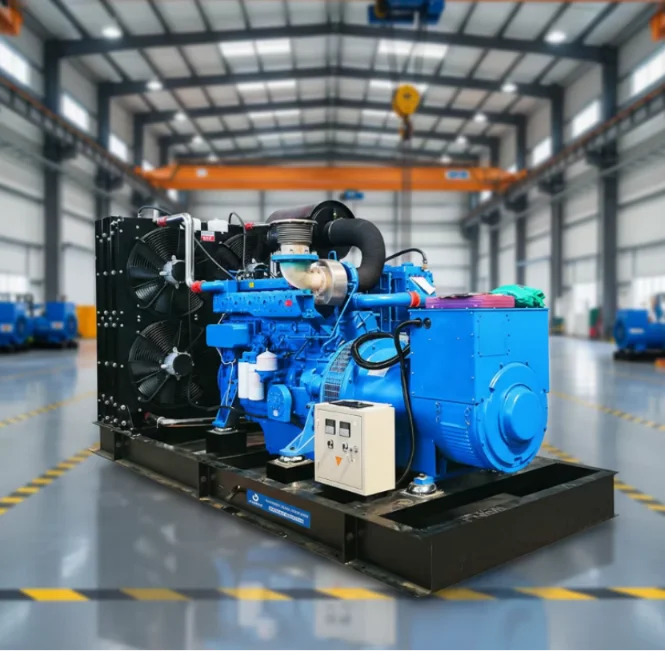
An unexpected grid failure does not just turn the lights off. It ruins batches of raw materials, resets critical machinery, and destroys daily profit margins. Relying entirely on an unstable local power grid is a massive risk for modern manufacturing. Transitioning to a dedicated on-site power plant makes sense financially and operationally. This guide breaks down exactly how to evaluate your true operational load and secure reliable continuous industrial power for your facility.
Decoding Power Ratings: Why “Continuous” and “Prime” Matter?
Looking at a spec sheet can be incredibly confusing. Many buyers make the mistake of purchasing the cheapest machine with the highest kilowatt number printed on the side. That approach usually ends in a blown engine because different generators are built for entirely different duty cycles.
The Danger of Misusing Standby Generators
A lot of facilities buy standby generators thinking they found a great deal. These machines are strictly for emergency, short-term use. If the grid drops for a few hours, they kick in. But if you try to run them 24/7 during a multi-day outage, you will cook the alternator and destroy the engine internals rapidly. They simply lack the cooling capacity for non-stop work.
Defining Prime and Continuous Power
You need equipment built for the long haul. A prime power rating is available for an unlimited number of hours per year in a variable load application. Variable load should not exceed a 70% average of the Prime Power rating during any operating period of 250 hours. The total operating time at 100% Prime Power shall not exceed 500 hours per year.
However, if your plant draws a massive, steady load all day and night, you specifically need a continuous rating. This means the engine handles a constant 100% load without pausing.
Yuchai Gas Engine Reliability: Built for the Long Haul
Sourcing generator sets for heavy industry is a headache. You look at brochures and everything looks identical until the machine actually arrives and starts vibrating apart on site. This is exactly why many factory managers turn to a dedicated power solution provider. УлеенГен operates precisely in this heavy-duty space. They design and manufacture industrial-grade generator sets built strictly for harsh, dirty environments. Instead of piecing together random cheap parts, they engineer cohesive power plants. Their Yuchai series gas generator lineup is a perfect example of this focus. These units take a massive, proven engine block and pair it with intelligent alternators and heavy-duty control systems. You get a machine that handles brutal load steps and runs thousands of hours with minimal intervention. Working with a specialized manufacturer means you get actual engineering support for sizing and installation, not just a sales rep pushing a metal box out the warehouse door.
Heavy-Duty Engine Block Design
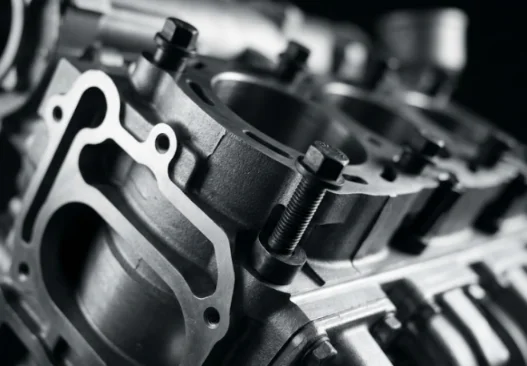
Industrial durability comes down to physical metal. The core of Yuchai gas engine reliability lies in the robust cylinder blocks and advanced water-cooling jackets. They are specifically engineered to dissipate the intense thermal stress that comes from continuous gas combustion over 8,000 hours a year.
Lower Maintenance Intervals and OPEX
Natural gas burns incredibly clean compared to standard diesel fuel. You get significantly less carbon soot building up inside the cylinders and contaminating the engine oil. Because the oil stays cleaner longer, your maintenance guys spend less time swapping filters and more time focusing on production equipment.
4 Steps to Sizing Your Industrial Gas Generator
Guessing your power requirements is a terrible financial move. If the generator is too small, the system stalls and the factory goes dark. If you buy a massive generator and only run a tiny load, you end up glazing the cylinder walls and ruining the fuel efficiency.
1. Calculate Starting vs. Running Wattage
Heavy industrial motors, like those found in large industrial water pumps or massive air compressors, require a violent surge of electricity just to turn on. This starting wattage can easily be three times higher than the normal running power. A proper continuous power gas generator has to absorb that initial massive load step without dropping the voltage and shutting down.
2. Account for Total Harmonic Distortion
Modern factory floors are full of sensitive electronics. You probably have Variable Frequency Drives controlling your conveyor belts. These devices need exceptionally clean power. High total harmonic distortion from a cheap alternator will literally fry those expensive drive boards. You have to select an alternator winding designed to keep the power wave perfectly smooth.
3. Factor in Environmental De-rating
A generator tested at sea level on a cool day performs differently in the real world. If your plant is high up in the mountains or operates in a region where August afternoons hit 50 degrees, the engine loses oxygen and struggles to cool down. You might need to buy a 600kW machine just to get 500kW of actual usable power on a hot day.
4. Plan for Future Facility Expansion
Factories grow. You might add another packaging line or an extra CNC machine next year. Always leave about 20% to 30% headroom in your capacity calculations. Upgrading a power plant is a nightmare, so buy a little bigger now to save major headaches later.
Matching the Yuchai Series to Your Fuel Source
Fuel logistics often dictate the type of power plant you build. Hauling diesel trucks to a facility every three days gets old fast. Gas provides a much more streamlined approach for stationary industrial power.
Pipeline Natural Gas for Stable Manufacturing
For most urban factories and industrial parks, pipeline natural gas is the absolute best choice. You simply hook up to the municipal line. There are no massive fuel storage tanks to inspect, and the fuel never goes bad sitting in a tank over the winter.
Biogas Capabilities for Agriculture and Processing
Farms, landfills, and large food processing plants have a unique advantage. They generate methane waste. Specific machines come with biogas capabilities built right in. You capture the gas your facility naturally produces and feed it directly into the engine, effectively turning your waste problem into free, continuous electricity.
Часто задаваемые вопросы
Q1: Can you run a standby generator continuously if you keep it cool?
A: No. Even with extra cooling, the internal components like bearings and alternator windings are not rated for constant heavy loads. It will fail prematurely.
Q2: Does natural gas provide the same power output as diesel?
A: Yes, if the engine is specifically designed for gas combustion. Modern gas engines deliver excellent torque and block loading capabilities comparable to diesel generator.
Q3: How often do you need to service an industrial gas generator?
A: Maintenance schedules vary by load and environment, but gas engines typically allow for longer intervals between oil changes compared to diesel engines due to cleaner combustion.
Q4: Are gas generators loud enough to require special soundproofing?
A: Heavy-duty engines are loud. Most industrial generator require a sound-attenuated canopy or a specifically designed generator room with acoustic louvers to meet local noise regulations.


