



Свяжитесь с нами
-
3-2-1003 Software park, Weifang Hi-tech Zone, Шаньдун, Китай
- +8615095247272
- sales@uleengen.com
-


Why Gas Generators Are Essential for Africa’s Growing Energy Needs


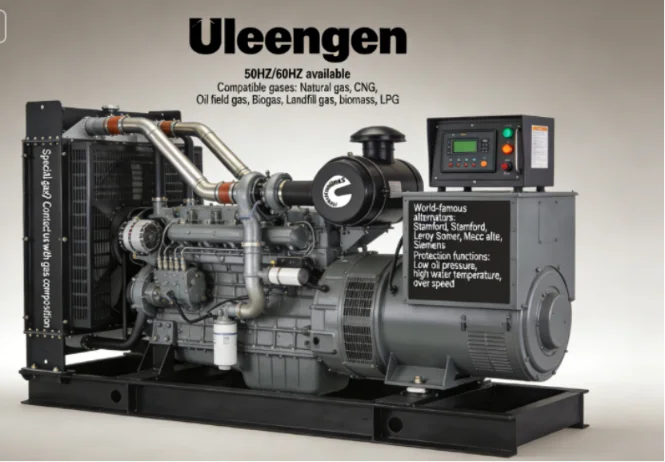
Africa stands as a continent full of promise and fast change. Cities keep growing. Factories and businesses spread out more each year. Because of this, people need steady and clean power sources right now. Renewable choices like solar and wind matter a great deal for the future. Still, gas generators fill a very important spot today. They help meet the quick-rising demand for electricity across many places. These machines run on gas. They stay flexible. They cost less to run than some other options. They also harm the environment less than old-style fuels.
How Can Gas Generators Meet Africa’s Growing Energy Demand?
Africa’s need for power grows very fast. More people live here every year. Towns turn into big cities. New businesses start up all the time. In lots of areas the power lines and stations stay old or missing. Many homes and shops go without lights or machines for hours or days.
Gas generators step in as a strong answer. They work without fail most of the time. They move to new spots fairly quickly. They fill empty spaces where power runs short. Natural gas burns cleaner than diesel. So these generators cut down on dirty smoke from older fuels. Farmers use them. Phone companies rely on them. Other businesses count on them too. The steady electricity keeps work going smoothly.
In places far from big power grids, gas generators act as the main supply. In towns with shaky electricity they serve as backup. Their simple setup and lower running costs fit well where power cuts happen often.
What Are the Benefits of Using Gas Generators in Africa?
Gas generators bring several clear pluses when people look for power answers in Africa. They save money. They treat the air better. They last a long time. These points make them stand out from many older ways to make electricity.
Cost-Effectiveness of Gas Generators
Gas generators save money in a big way. Diesel units burn fuel that costs more for each bit of power made. Natural gas usually stays cheaper per kilowatt-hour. In spots where electricity bills run high or change a lot this saving helps a great deal. Businesses spend less on fuel overall. They keep more cash for other needs.
Natural gas often costs less and shows up more easily in parts of Africa than diesel does. This makes gas a good pick for the long run. Small shops use these generators. Big factories run them. Farms depend on them. All of them cut energy spending while still getting steady power.
Environmental Benefits of Gas Generators
Natural gas burns much cleaner than coal or diesel. Gas generators send out smaller amounts of carbon dioxide, smog-making gases, and tiny dust bits. In places where clean air grows more important this switch helps lower harm to the sky and land.
These machines also make less noise than diesel ones. Quiet running fits city neighborhoods better. It works well near homes or offices where loud sounds bother people. Less racket means happier places to live and work.
Sustainability and Long-Term Availability
Natural gas sits in large amounts under the ground in many African countries. Local supplies mean less need to buy fuel from far away. This builds stronger energy safety for nations.
Gas power grows easily too. When more electricity gets needed people simply add extra generators. The setup bends to fit different jobs. It gives backup when the main grid fails. It supplies main power in far-off villages.
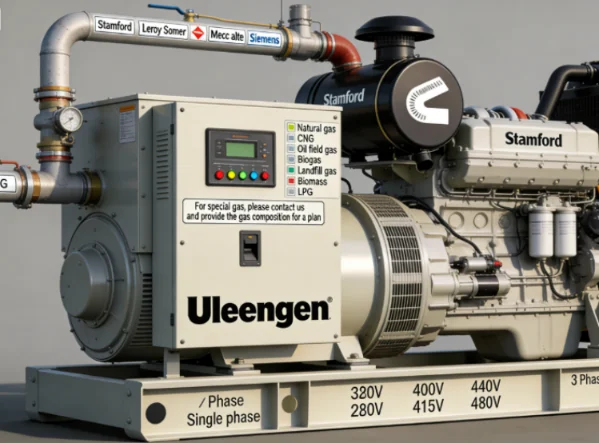
How Does Gas Generator Technology Work?
Gas generators use smart design to stay strong, save fuel, and run without much trouble. They handle steady loads as well as sudden jumps in need. This fits the changing power wants seen in many African spots.
Engine Specifications and Performance
Most gas generators use tough engines that turn gas into electricity well. Engines like the Cummins 6LTAA8.9-NG focus on using less fuel and lasting many years. They spin at a steady 1500 RPM. Special cooling keeps them from getting too hot even when the sun beats down hard. This matters in hot African weather.
These engines pull in extra air with a turbo. They cool that air before it enters. The setup uses six cylinders in a straight line. It delivers power you can count on for small tools or big machines. The whole design wastes little fuel while making lots of electricity.
Voltage and Frequency Control
Gas generators keep voltage and cycles steady. This protects delicate items like computers or factory tools. Most units hold voltage changes inside ±5%. That narrow range stops harm from sudden ups or downs in power.
The generators manage big swings too. They take a full 100% extra load or drop without stopping. A smart control panel sits inside. It watches everything. Operators see power use, service needs, and how things run from far away if needed. This gives comfort to people who cannot lose power.
Why Are Gas Generators Ideal for African Conditions?
Africa brings special tests for power systems. Very hot days happen often. Power needs jump around. Some places sit far from towns. Gas generators handle these problems well. They stay ready and strong in tough settings.
Adapting to Hot Climates
High heat can hurt many machines. Gas generators come built for it. Liquid cooling flows through them. Engines take temperatures up to 50°C without trouble. So even in the warmest zones these units keep running steady and strong.
Scalability and Flexibility
Gas generators grow with you. One small unit powers a few homes. Several big ones together light up a factory. Hook them side by side. Power rises as demand climbs. This bend makes them right for village projects or city grids.
How Gas Generators Support Key Sectors in Africa
Gas generators do more than light houses. They push forward the work that helps Africa grow richer.
Agriculture and Rural Electrification
Farmers need power for water pumps, grain mills, and cold storage. Rural spots often miss grid lines. Gas generators bring steady electricity there. Crops stay healthy. Food lasts longer. Less hunger follows. Economies in villages pick up speed.
Industrial and Commercial Applications
Mines, cloth factories, and food plants run around the clock. Weak power stops machines and loses money. Gas generators keep things moving without breaks. Work flows better. Companies earn more.
Conclusion
Gas generators stand as a key piece for Africa’s rising power needs. They bring quick, steady, and cleaner energy while costs stay low. They fit hot lands. They grow with demand. They help farms, factories, and towns thrive. As Africa keeps building, these machines offer a practical bridge toward a brighter energy future.
FAQ
Q1: How do gas generators help with energy reliability in Africa?
A: They give steady power, especially far from grids where electricity often fails. Their bend and ability to grow fit changing needs well.
Q2: What makes gas generators environmentally friendly?
A: They send out much less smoke than diesel or coal units. Cleaner air and lower pollution come from using them.
Q3: Are gas generators suitable for hot climates in Africa?
A: Yes. They hold up in high heat thanks to good cooling and tough build. They work fine up to 50°C.
Q4: Can gas generators be used for both small and large-scale power needs?
A: Yes. Sizes vary. Small ones help villages. Big ones or groups of them power large plants.
Q5: How do gas generators contribute to sustainable energy in Africa?
A: They run on local natural gas. Less buying from outside means stronger energy safety. They support cleaner power steps forward.
Предыдущий: Никакой
Следующая: Natural Gas Generator vs Diesel Generator: Total Cost of Ownership Explained


