



Свяжитесь с нами
-
3-2-1003 Software park, Weifang Hi-tech Zone, Шаньдун, Китай
- +8615095247272
- sales@uleengen.com
-


Industrial Diesel Generator Market Review 2025 & 2026 Outlook: Key Insights for Perkins Users


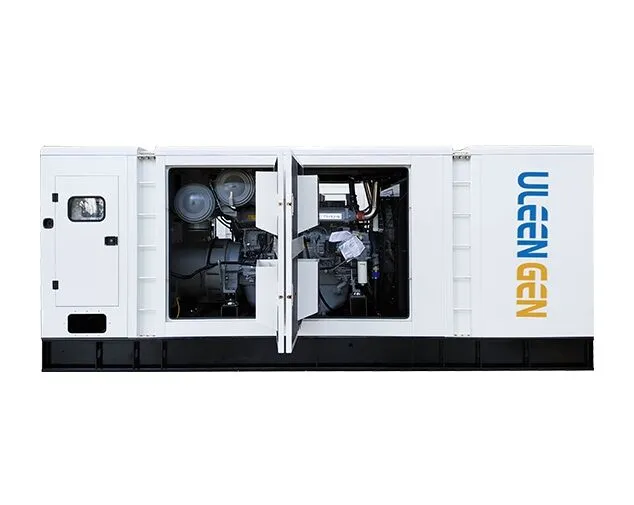
The end of 2025 is here. It was a year that really tested power systems all over the world. Weather was unpredictable and strained electricity grids. Construction of data centers kept going strong. The need for reliable diesel power stayed high, but things are changing. For anyone who uses or is thinking about a Perkins diesel generator, these changes matter a lot. They hit your operating costs, your compliance duties, and your future plans. This article looks at what happened in 2025. It also looks at what 2026 will bring. Most importantly, it tells you what this means for you as a Perkins user. We will use simple language and give you practical advice you can actually use.
Introduction
The world market for big diesel generators is changing. The basic need for solid backup and main power is still there. This is driven by things like cloud computing and shaky power grids. But the rules are changing fast. The market was worth about $14.7 billion in 2024. Experts think it will grow to $30.7 billion by 2034. That growth is real. But it is being shaped by new tech, tougher environmental laws, and what customers now expect. If you trust brands like Perkins for their strong 2000 or 2800 series engines, you need to understand this new picture. It is not just about buying a tough machine anymore. It is about managing a smart, compliant, and cost-effective power asset for its whole life. This review will connect big market trends to your own Perkins generator. This is true whether it is running now or on your list to buy next year.
The 2025 Industrial Diesel Generator Market – A Year in Review
Looking back, 2025 proved some predictions right. It also had a few surprises. The year showed that diesel generators are not going away. Instead, their job is getting more specific and connected.
Emission Regulations Took Center Stage
Stricter emission rules had a big real impact. Rules like EU Stage V changed from future talk to today’s reality for new machines. This is not just about forms to fill out. It changed how engines are made. Makers had to add better aftertreatment systems. Take the Perkins 2806J-E18TAG1 engine as an example. It is a 559 kWm generator set made to meet EU Stage V. It uses a DOC+DPF+SCR system. If you started a project in a regulated area this year, you probably had to plan for the space and cost of this tech.
A Patchwork of Global Standards
In other big markets, rules still set the specs. For instance, standards like China National III and India CPCB II shaped models like the 2806D-E18TAG. The rulebook got more complicated. Making sure your machine follows the rules became a key part of buying. You couldn’t just buy the same model for every country anymore.
Demand Was Strong in Key Sectors
Demand in certain areas was strong. The construction sector was still a major driver. More interesting was the huge growth in data centers and digital buildings. This created a big market for super-reliable backup power. Big investments happened, like data center projects in the U.S. For Perkins users, this means your generator often supports very critical work. When the power goes out now, it costs a lot more money. This makes reliability and fast service more valuable than ever.
Smart Tech Became More Common, But Integration Varied
In terms of technology, 2025 changed the talk about IoT and smart monitors. They went from a “bonus” to something many operators “really need”. The idea of finding problems before they cause trouble became a real expectation. This is especially true for important operations. But not everyone started using it. For many people with older machines, the hard part was adding these features to trusted engines. Engines like the Perkins 4006 series or 2000 series are solid. But adding smart features to them was a puzzle many are still solving.
Looking Ahead: Key Trends Shaping the 2026 Landscape
So what about 2026? The trends from 2025 are not slowing down. They are speeding up and changing. Your plan for next year must work in a market that is smarter, cleaner, and more varied.
Regulations Will Keep Evolving and Expanding
First, the rules will keep getting tighter. EU Stage V and U.S. EPA Tier 4 are standard now. But the focus is moving to better enforcement and the next set of rules. In growing areas like Asia and the Middle East, local emissions laws will keep changing. If you work or plan projects there, you cannot assume an old engine spec will be okay next year. Picking an engine with a clear plan for future rules is a smart move. It protects your investment. Perkins has a range from lower-emission to full Stage V models for this reason.
Hybrid Systems and Fuel Savings Gain Ground
Hybrid systems and fuel savings will become real buying factors, not just ideas. Fuel prices always change. So the total cost of owning the generator is very important. People do not just look at the price tag anymore. You also look at how many grams of fuel it uses for each kilowatt-hour over many years of use. Engines that work well but use less fuel protect your money. Also, pairing a diesel generator set with solar or batteries is becoming more popular. This is good for remote places or companies wanting a smaller carbon footprint. Your next Perkins generator might be part of a team, not working alone.
The Support Ecosystem Becomes a Key Differentiator
The competition is still strong but maybe clearer. Big names like Caterpillar and Cummins still have a large part of the market. Perkins’ place is based on a history of being reliable. It also has a huge global network for parts and service. There are stories where support teams found parts across the world for customers. In 2026, this system’s value will be tested. It is not just about how good the product is. It is about giving good advice on rules, upgrades, and support for the machine’s whole life. The brand that helps you handle the complexity will keep your business.
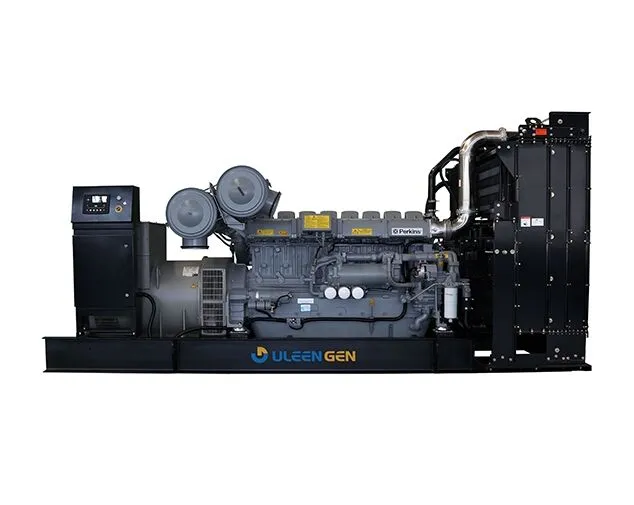
Strategic Implications for Perkins Generator Owners and Buyers
All these trends come together in your daily work and plans. Let’s turn them into steps you can take. This applies if you have a Perkins generator now or want to buy a new one.
For Current Perkins Generator Owners
Think of your current generator like an important piece of equipment. It needs a good plan.
Conduct a Year-End Performance Review
Start with a full check at the end of the year. Look at your maintenance records. See what your real fuel use and running hours were in 2025. This information is very useful. It shows you the true cost of your machine.
Audit Your Compliance Status
Next, think about the rules. Is your model still okay to use everywhere you plan to use it? For example, a 2806F-E18TAG meets U.S. Tier 4. But is that good enough for your future plans? If your area is making rules stricter, you have a choice. You can try to upgrade your machine. You can plan to replace it later. Or you can only use it in places with looser rules. If you ignore this, you might face fines or have to stop using it.
Consider Cost-Effective Modernization
Then, think about updates. Adding a basic IoT monitoring kit to your Perkins engine can be a good value. It lets you start doing predictive maintenance. You can watch things like coolant temperature and oil pressure from far away. This can stop small problems from becoming big breakdowns. This is very helpful if the generator sits alone for a long time. This kind of upgrade fits the move towards smarter management. It can really cut down on surprise stoppages.
For Businesses Considering a Perkins Generator Purchase in 2026
If you are buying new in 2026, your shopping list is different now.
Make Compliance Your First Filter
Your first question should be about rules. Make sure the exact model you pick has the right certification for where you will use it. For Europe, you might need a Perkins 2806J-E18TAG1. Do not just buy for today’s job. Buy a machine that will still be okay to use in 10 or 15 years.
Calculate the Real Total Cost of Ownership
Second, ask about the total cost of ownership. Get clear details on fuel use at different loads. Compare a cheaper model to a more efficient one that costs a bit more upfront. Over many thousands of hours, the money saved on fuel will likely be much bigger than the price difference. Also, think about parts cost and how easy they are to find. Perkins’ big global network helps a lot here. You probably will not wait as long for important parts like filters.
Plan for Connectivity from Day One
Finally, plan for connectivity from the start. Choose a generator set that has a modern control panel ready for remote monitoring. This is not just a fancy extra anymore. It is how modern places operate. It allows for quicker fixes, easier load tests, and better management of all your equipment. This gets the most value from your Perkins engine’s built-in reliability.
The Enduring Value of the Perkins Ecosystem in a Changing Market
With all this change, some things become more important. Perkins engines are known for lasting a long time in hard jobs. That is still a great starting point. But in 2026, the support system around the engine makes a big difference. The global web of dealers and parts warehouses means help and real parts are usually close by. As the technology gets more complex, having a partner who knows the details is priceless. They can get the right parts for systems like the generator set injectors on a 2806J. They understand its aftertreatment system.
In simple terms, the next few years are about mixing two things. You have the proven, strong reliability of a Perkins engine. Then you add smarter, more active ways to manage it. The market gives you more tools and information to look after your equipment. Using those tools is how you turn a big expense into a reliable, long-term advantage for your business.
Partnering with the Right Experts: Shandong Uleen Generator Co., Ltd.
Getting through this complex situation is easier with a good partner. A specialized maker like Shandong Uleen Generator Co., Ltd. (Uleengen) adds real value here. Uleengen is not just a seller. They are a professional maker that builds complete generator sets around trusted engines like Perkins. Their skill is in putting the engine together with the right parts. This includes the alternator, cooling system, controls, and quiet canopies. The result is one solid, reliable power generator set. For a Perkins user, this means you do not just buy an engine. You get a fully built generator where everything works well together. Their focus on the Perkins series means they know the products deeply. They know the strong 2000 series and the powerful 4000 series models. This lets them give advice and support that fits the market trends and rules we talked about. Picking a technical partner like Uleengen helps a lot. It closes the gap between choosing a great engine and having a complete, reliable power solution ready for your job.
FAQ
Q1: Will my old Perkins generator be worth more in 2026 because the market is growing?
A: It depends. A well-kept, compliant generator set holds its value well. But an older model that doesn’t meet current emission rules in your area might be harder to sell. Good maintenance and knowing your compliance status are key to protecting its worth.
Q2: I’m buying a Perkins generator for a project in Southeast Asia in 2026. What’s the #1 thing to check?
A: The emissions certification for that specific country. Don’t just go by the engine series name. Regulations vary across the region. Match the engine’s official paperwork to local laws before you buy—it’s the most important step.
Q3: Is smart monitoring just a sales gimmick?
A: Not really. Think of it as cheap insurance. For a backup generator, a simple alert for a failed self-test or low coolant can save you from a total failure during a blackout. For constant use, the data helps save fuel and plan maintenance. It’s a tool for risk reduction.
Q4: With all the talk about hybrid systems, is my diesel generator becoming obsolete?
A: Absolutely not. In a hybrid setup, your Perkins generator is the reliable anchor. It kicks in when solar or batteries can’t handle the load. The system just aims to run it less to save fuel. Your generator’s reliability is actually more critical in that team.
Q5: With bigger brands out there, why choose Perkins?
A: Perkins has a long track record for durable industrial engines. For many, the deciding factor is the support. They have a vast global network for parts and service. If you’re operating in multiple locations or remote sites, getting genuine support without long delays is a huge practical advantage.


