


contact us
-
3-2-1003 Software park, Weifang Hi-tech Zone, Shandong, China
- +8615095247272
- sales@uleengen.com
-


Perkins Diesel Generator Fuel Tank Sizing | Runtime & Space Optimization
 Introduction
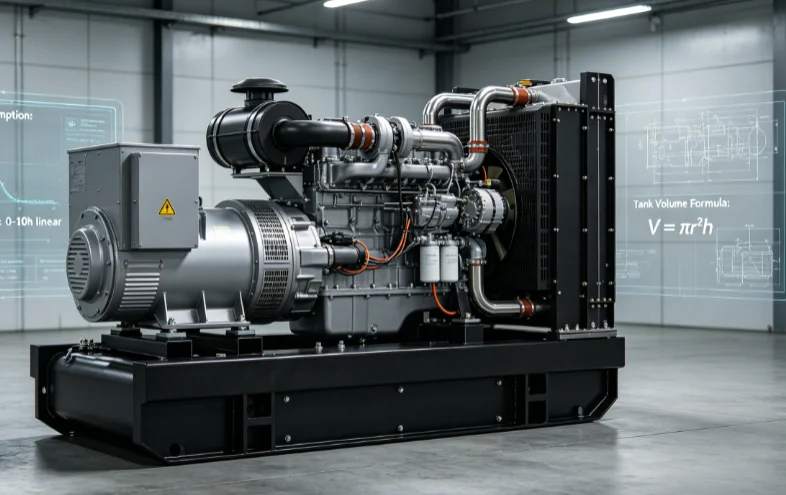
Picking the right fuel tank size for a Perkins diesel generator is very important. A small tank means you have to refill often, which can disrupt work. A very large tank takes up more installation space and costs more. You need a solution that fits your generator runtime needs without making the setup complicated.
Shandong Uleen Generator offers reliable power solutions for both industrial and commercial users. Their Perkins generator lineup ranges from 10KVA generator set to 3750KVA sets. These machines can serve emergency backup, prime power, or continuous operation. They focus on efficiency and practical installation. Their approach shows that the right fuel tank sizing can save fuel, reduce maintenance, and keep operations smooth.
Why Fuel Tank Size Matters?
The fuel capacity of your generator affects runtime a lot. Running out of fuel can stop work and cause emergencies. Too much fuel can take up installation space and raise costs. Fuel consumption also changes with load. If your power needs vary, oversizing a tank does not always help but will cost more.
Generator Runtime Expectations
Small emergency loads may need 8 hours, while critical systems may run for 72 hours without refueling. Knowing your needs helps pick the correct fuel tank size.
Operational Efficiency
Fuel use is usually lower at moderate loads. Running a generator at 50-80 percent of capacity is often better than full load. The connection between fuel consumption and load helps you plan fuel capacity accurately.
Cost Considerations
Bigger tanks cost more at first. But fewer refueling trips can save money and avoid downtime. Balancing cost and convenience is important.
Key Factors in Fuel Tank Sizing?
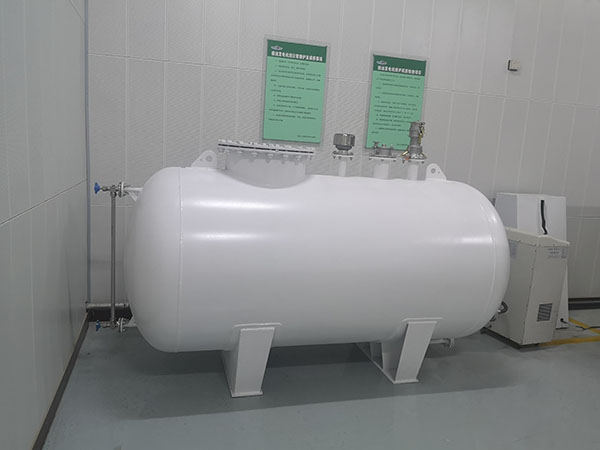
Tank choice is more than size. You must match fuel consumption with load, space, and rules.
Generator Power Rating and Fuel Consumption
Higher output uses more fuel. A 100KVA generator set burns about 18.7 liters per hour at full load. At half load, it uses around 10 liters per hour. Adjust fuel capacity for your normal load.
Application and Load Profile
Your load profile matters. Hospitals need longer, steady power. Workshops may have short, varied demand.
Required Runtime
Decide how long the generator should run without refill. Emergency setups usually need at least 24 hours. Continuous use might need days.
Space Availability
Measure your installation space carefully. Ceiling height, floor support, and indoor or outdoor location affect tank choice.
Regulatory and Safety Requirements
Check local rules. Some areas limit indoor tank size. Containment systems may be required.
Refueling Logistics
Think about how often fuel trucks can reach the site. Large tanks might leave diesel unused too long.
Types of Fuel Tanks for Diesel Generators?
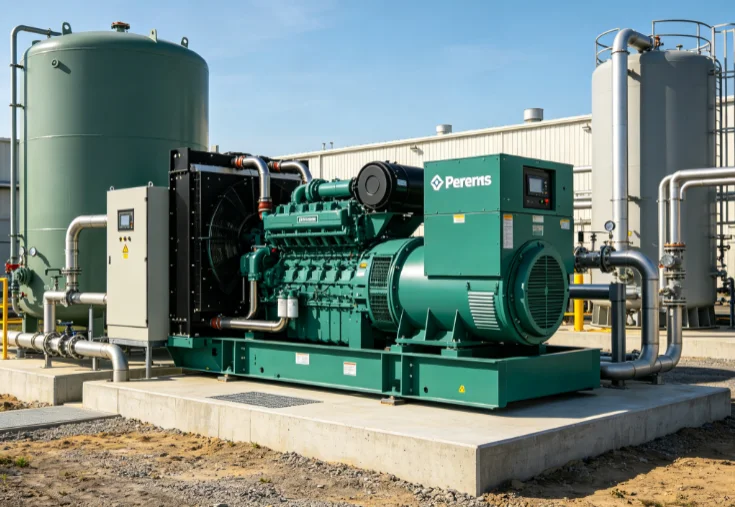
Different tanks suit different needs. Your choice depends on fuel capacity and space.
Integral Base Tank
Common under smaller generator set. Saves floor space but limits runtime.
External Fuel Tank
Aboveground tanks allow bigger fuel capacity and easy monitoring. Good if you have space.
Underground Fuel Tank
Fits when space is tight. Stores large amounts discreetly. Installation costs more but frees up room.
Bunded or Double-Walled Tanks
Reduces spill risk. Often required by safety rules.
Calculating Fuel Tank Size?
Start with fuel consumption. Multiply by needed generator runtime. Add a 10-15 percent safety buffer.
Step-by-Step Method
-
Find full-load fuel use per hour.
-
Pick target runtime.
-
Adjust for normal load.
-
Add extra for emergencies.
Example Calculation
A 200KVA generator using 26 liters per hour at 70% load for 36 hours needs about 9,50 liters. Pick the nearest tank size.
Safety Margin
Extra fuel prevents shutdowns if demand is higher or refill is delayed.
Space and Installation Considerations?
Check installation space before picking a tank. Leave room for maintenance and ventilation. Horizontal tanks fit low ceilings. Vertical tanks save floor space. Make sure fuel trucks can reach it. Odd corners or narrow hallways can make installation tricky.
Maintenance and Best Practices?
Routine maintenance and inspection keeps fuel and generator healthy. Look for leaks, rust, and water in diesel. Rotate fuel to prevent aging. Track usage to avoid surprises. Small checks save big costs later.
Common Sizing Mistakes?
Too small causes frequent refills. Too big wastes money and space. Ignoring load profile or installation space creates problems. Forgetting safety rules can lead to extra expenses. Base choices on real operating patterns.
Conclusion
Fuel tank sizing for a Perkins diesel generator balances runtime, fuel consumption, and installation space. Check load, space, and rules before buying. Correct tank size keeps your system running, makes fuel management easier, and prevents emergencies.
Shandong Uleen Generator offers technical support and a wide range of Perkins diesel generators. Their units are practical, reliable, and easy to install. They combine efficiency with convenience.
| Genset Model | 50HZ | Diesel Engine | Alternator | Overall Size (mm) | Gross Weight (kg) | ||
| Power (kW) | Power (kVA) | Model | Rated Fuel Consumption (L/h) | Model | |||
| UP10GF | 8 | 10 | 403A-11G1 | 1.9 | S0L1-H1 | 1580x810x930 | 500 |
| UP13GF | 10 | 13 | 403A-15G1 | 2.4 | S0L1-L1 | 1580x810x930 | 520 |
| UP20GF | 16 | 20 | 404A-22G1 | 3.8 | S0L2-G1 | 1580x810x990 | 540 |
| UP25GF | 20 | 25 | 404D-22TG | 4.7 | S0L2-M1 | 1580x810x990 | 540 |
| UP30GF | 24 | 30 | 1103A-33G | 5.6 | S0L2-P1 | 1580x810x1165 | 660 |
| UP40GF | 32 | 40 | 1103A-33TG1 | 7.5 | S1L2-K1 | 1595x810x1150 | 730 |
| UP45GF | 36 | 45 | 1103A-33TG1 | 8.4 | S1L2-N1 | 1595x810x1150 | 730 |
| UP60GF | 48 | 60 | 1104A-44TG1 | 11.2 | S1L2-Y1 | 1580x810x1166 | 780 |
| UP80GF | 64 | 80 | 1104A-44TG2 | 14.9 | UCI224G | 1760x810x1165 | 800 |
| UP100GF | 80 | 100 | 1104C-44TAG2 | 18.7 | UCI274C | 2240x960x1315 | 1030 |
| UP125GF | 100 | 125 | 1106A-70TG1 | 23.4 | UCI274ES | 2240x960x1315 | 1030 |
| UP150GF | 120 | 150 | 1106A-70TAG2 | 28.1 | UCI274F | 2240x960x1315 | 1300 |
| UP180GF | 144 | 180 | 1106A-70TAG3 | 33.7 | UCI274G | 2345x810x1365 | 1300 |
| UP200GF | 160 | 200 | 1106A-70TAG4 | 37.4 | UCI274H | 2240x960x1590 | 1300 |
| UP250GF | 200 | 250 | 1206A-E70TTAG3 | 46.8 | UCD274K | 2430x960x1590 | 2170 |
| UP300GF | 240 | 300 | 1506A-E88TAG5 | 56.1 | HCI444D | 3030x1120x1800 | 2500 |
| UP350GF | 280 | 350 | 2206C-E13TAG2 | 65.5 | HCI444E | 3280x1130x1950 | 3300 |
| UP400GF | 320 | 400 | 2206C-E13TAG3 | 74.8 | HCI444F | 3280x1130x1950 | 3300 |
| UP500GF | 400 | 500 | 2506C-E15TAG2 | 93.5 | S5L1D-C41 | 3310x1180x1950 | 3940 |
FAQ
Q1: How do I pick the right fuel tank size?
A: Multiply fuel use per hour by runtime, then add 10-15 percent.
Q2: What kinds of fuel tanks exist?
A: Base tanks, external tanks, underground tanks, and bunded tanks.
Q3: How often should I check the fuel tank?
A: Inspect every few months to prevent leaks and rust.
Q4: Can a tank be too large for my space?
A: Yes, measure installation space and check access first.
Q5: Why is load profile important?
A: Fuel use changes with load. Fluctuating loads may need more fuel than steady loads.


