



Contacta amb nosaltres
-
3-2-1003 Parc de programari, Weifang Zona d'alta tecnologia, Shandong, Xina
- +8615095247272
- sales@uleengen.com
-


Per què les fallades dels generadors dièsel marins són sovint problemes de disseny
Introducció: Quan l'equip es culpa de les decisions del sistema
Quan un generador dièsel marítim falla a mar, la primera reacció és sovint: "el maquinari no és fiable". Sona net. Sovint també està equivocat. En un projecte marítim de generador dièsel, el motor i l'alternador són l'últim enllaç en una cadena d'opcions de disseny. Els camins de calor, la ventilació de la sala de màquines, el comportament de càrrega, l'encaminament del cable, la interacció de control i la manipulació del combustible decideixen si un generador funciona amb marge o viu a la vora.
Aquest article evita parlar de reparació i debats de marca. Es centra en el que els equips d'EPC i els operadors preocupen: per què és comú generador dièsel marítim Les fallades són enmarcades com a problemes de maquinari, però en realitat comencen amb opcions de disseny que condueixen silenciosament el cost del temps d'inactivitat.
El patró darrere de les fallades del generador dièsel marítim
El fracàs rarament arriba com un esdeveniment dramàtic. Apareixen com a repeticions: un viatge, una alarma calenta, una nota de “vegeu-ho”, després un altre retard de port. La inestabilitat repetida sovint indica un sistema dissenyat per passar l'acceptació, no un sistema construït per a cicles de treball reals.
Les fallades rarament comencen amb el mateix motor
El motor és visible, així que es culpa. No obstant això, moltes d'aquestes fallades marines comencen fora del bloc del motor. Les restriccions de ventilació, l'acumulació de calor en un recinte estret i els detalls d'integració elèctrica que semblen menors en paper poden empènyer el sistema a un comportament inestable. La variabilitat de la qualitat del combustible també pot actuar com una fuga lenta en la fiabilitat quan s'havien planificat l'emmagatzematge i l'enrutament per a condicions ideals.
Tracta'ls com a entrades de disseny, i redueix les probabilitats de temps d'inactivitat en lloc de perseguir els símptomes.
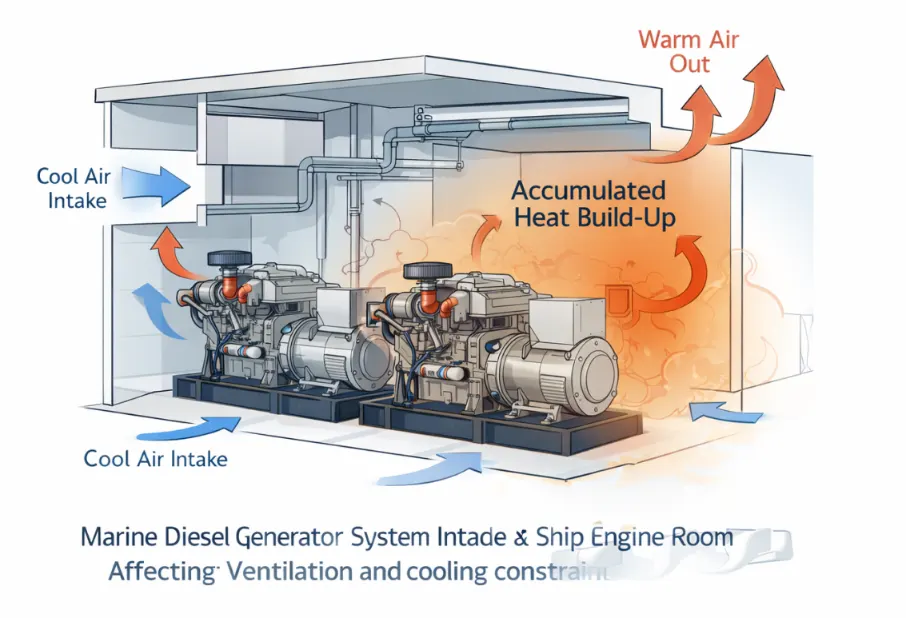
Un problema de disseny: la calor, el flux d'aire i la realitat de la sala de motors
La gestió de la calor no és un tema de confort. És un pressupost de fiabilitat. En una sala de màquines confinada, el sistema o bé mou la calor o l'emmagatzema fins que alguna cosa es queixa.
Per què la ventilació de la sala de motors importa més que la potència de la placa
Un generador pot ser de mida correcta i encara estar equivocat per a l'espai. Si la ventilació de la sala de màquines limita la presa d'aire fresc o restringeix la descàrrega d'aire calent, els augments de temperatura es converteixen en normals. Cada cursa dura és una prova d’estrès.
És per això que l'energia de la placa de nom pot enganyar en els sistemes d'energia marina. La sortida real és el que els conjunts de generadors poden lliurar sense deslizar-se en l'acumulació de calor que desencadena alarmes, desnivells o viatges de protecció.
Com els marges tèrmics petits condueixen a temps d'inactivitat repetits
El marge tèrmic no és “es sobreescalfa una vegada.” És “corre una mica calent cada dia.” La calor diària redueix la tolerància electrònica, envelleix el cableje i endureix la finestra d’error del sistema. Les tripulacions sovint responen evitant les càrregues màximes “per cas”. Aquest hàbit costa diners fins i tot quan el generador mai s’enganxa.
Problema de disseny dos: assumpcions de perfil de càrrega que no coincideixen amb la realitat
Molts projectes tracten el perfil de càrrega com un full de càlcul. Els vaixells reals tracten la càrrega com a comportament. Canvia amb el temps, les rutes, les rutines a bord i els cicles operatius.
Comportament de càrrega contínua contra càrrega real de vaixells
A generador dièsel marítim sovint funciona en càrrega contínua, més a prop de la potència principal que la potència d'espera. Això és important perquè l'operació contínua exposa suposicions febles. La càrrega de l'hotel, les bombes, els compressors i els auxiliars no es comporten com una càrrega de laboratori constant. S'apilen, cauen i s'espiguen.
Si el disseny assumeix "càrrega mitjana", però el vaixell viu en "demanda estable llarga més explosions curtes", el generador passa la seva vida reaccionant.
La càrrega del pas i la prioritat de càrrega sovint es simplifiquen massa aviat
Els esdeveniments de càrrega per pas són normals: arrancament del motor, grans bombes, demanda auxiliar sobtada. Si el comportament de càrrega de pas es tracta com una nota a peu de pàgina, es poden veure repetides baixes de freqüència, oscil·lacions de tensió o viatges molestos que semblen problemes marins del generador dièsel.
La prioritat de càrrega és l'altra peça oculta. Si les càrregues equivocades es mantenen en línia durant una perturbació, un petit esdeveniment pot convertir-se en inestabilitat en cascada.
Problema de disseny tres: la integració elèctrica es tracta com a secundaria
La integració elèctrica és un treball silenciós. També és on “ha de funcionar” es converteix en “funciona fins que no funciona”.
Sistemes de control, AVR i estabilitat del món real
Els controls i el comportament AVR poden semblar bé durant les comprovacions. El problema apareix en condicions de càrrega reals de conmutació i pas reals. Si la detecció, el temps de resposta i la interacció de control no coincideixen amb el comportament del vaixell, el conjunt de generadors pot rebotar entre estats estables i inestables. Això es culpa al generador dièsel, fins i tot quan el disseny del sistema ho va convidar.
La qualitat de la terra i l'energia com a multiplicadors de falla
Els problemes de qualitat de l'energia sovint no causen un apagament instantani. Crea estrès: calor extra en els cables, soroll en els senyals i deriva de control. L'estrès es converteix en esdeveniments de falla més tard, offshore, on la finestra de recuperació és limitada.
Problema de disseny quatre: els sistemes de combustible estan dissenyats per a la disponibilitat, no per a la realitat
El combustible es tracta com un problema de subministrament. En aplicacions marítimes, el combustible també és una variable de fiabilitat.
Variabilitat de la qualitat del combustible i efectes d'emmagatzematge
La variabilitat de la qualitat del combustible pot separar el funcionament estable dels arrancaments bruts i les cadenes d'alarma. Les condicions d'emmagatzematge també afegeixen risc. L'aigua i la contaminació no sempre detenen els generadors dièsel al mateix temps. Sovint creuen una inestabilitat gradual que apareix en el pitjor moment.
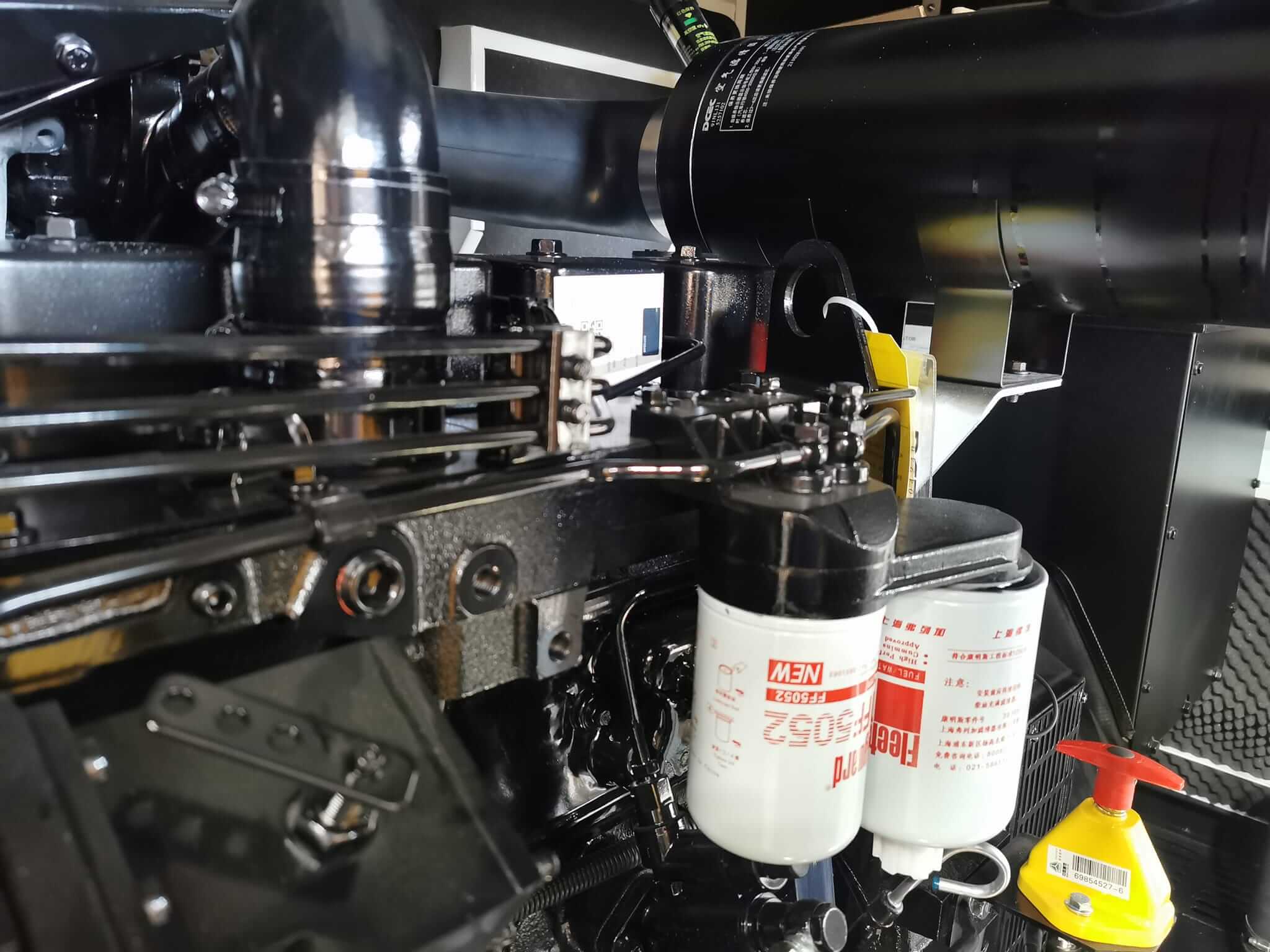
La filtració i l'encaminament del combustible com a decisions de disseny
El disseny del sistema de combustible no és un tema de manteniment. És un tema de tolerància. L'enrutament, les etapes de separació i com el sistema maneja la contaminació determinen la freqüència amb què les condicions de combustible es converteixen en problemes operatius.
Problema de disseny cinc: Windows d'accés i recuperació al servei
Un disseny pot ser tècnicament correcte i encara ser operacionalment equivocat si els punts crítics són difícils d'arribar.
Els límits d'accés augmenten la probabilitat de temps d'inactivitat
L'accés al servei afecta la rapidesa amb què es noten els petits problemes. Si l'accés és restringit, les inspeccions es produeixen menys. Les adaptacions duren més. Alguns cheques es salten durant els horaris ocupats. No és un problema de tripulació. És un problema de disseny.
Per què "es pot arreglar més tard" és una suposició arriscada al mar
Al mar, no hi ha intercanvi fàcil ni taller a la cantonada. Quan es produeix una fallida, el vaixell pot funcionar en mode degradat fins al port. És per això que els petits problemes poden ser costosos.
Reforma de fallades del generador dièsel marítim
La qüestió de decisió no és "quin generador dièsel és millor". És "quines opcions de disseny redueixen la probabilitat de fallida".
De la qualitat del maquinari a la tolerància de fallades del sistema
La qualitat del maquinari importa, però la tolerància a les fallades és l'àncora. Marge tèrmic, reserva de càrrega de pas i fiabilitat a nivell de sistema d'accionament d'integració elèctrica estable.
Una manera ràpida de mantenir el disseny de la conversa primer:
| Àrea de Disseny | Símptoma típic de l'"equip" | La pregunta del disseny que importa |
| Calor / flux d'aire | Alarmes calentes, desnivell | A on va l’aire calent i com entra l’aire fresc? |
| Carga el perfil | Viatges de Nuisance | Quina és la càrrega contínua real i la pitjor càrrega de pas? |
| Integració elèctrica | Swings de tensió | Com es comporten els controls durant els passos de conmutació i càrrega? |
| Disseny del sistema de combustible | Començaments difícils, alarmes | Com tolera el sistema la variabilitat de la qualitat del combustible? |
| Accés al servei | Apagues llargues | Com de ràpid es poden arribar als punts crítics offshore? |
Què han de preguntar els equips EPC abans de finalitzar el disseny
Abans que el disseny estigui bloquejat, els equips d'EPC poden fer algunes preguntes directes:
- Quin és el perfil de càrrega real, no el mitjà?
- Què passa durant el pitjor esdeveniment de càrrega de pas?
- Quines són les vies de calor i on es pot produir l'acumulació de calor?
- Quines càrregues tenen prioritat quan caig l'estabilitat?
- Quina és la finestra de recuperació offshore i quins límits d'accés la ralentitzen?
Aquestes preguntes són bàsiques. Decideixen si un conjunt de generadors es converteix en una eina o en un problema recurrent.
Conclusió: Les opcions de disseny decideixen el fracàs molt abans de l'inici
Molts generador dièsel marítim Les fallades són resultats previsibles de restriccions de ventilació, alta càrrega contínua, prioritat de càrrega simplificada, integració elèctrica fràgil i disseny de sistema de combustible que assumeix condicions ideals. Tractar-los com a entrades de disseny, i el temps d'inactivitat es fa menys freqüent i menys costós. Quan són ignorades, les decisions del sistema es malinterpreten com a fallades de maquinari.
Uleengen (Shandong Uleen Generator Co., Ltd.)
Uleengen ((Shandong Uleen Generator Co., Ltd.) subministra generadors dièsel, conjunts de generadors i solucions de generadors marins orientats per a projectes que valoren l'energia estable en condicions de funcionament reals. El focus es manté pràctic: coincidir amb el cicle de treball, els límits d'instal·lació i les necessitats de control en lloc de vendre una història de mida única. Per a aplicacions marítimes, això significa continuïtat d'energia, disponibilitat d'integració i suport al projecte que s'adapte als fluxos de treball EPC. Quan l'objectiu és menys interrupcions repetides impulsades per l'acumulació de calor, la incompatibilitat del perfil de càrrega, les breches d'integració elèctrica o la variabilitat de la qualitat del combustible, Uleengen dóna suport a paquets de conjunts de generadors construïts al voltant de la manera en què realment funcionen els vaixells.
Preguntes freqüents
Q1: Per què les fallades del generador dièsel marítim són tan sovint culpades de la pròpia màquina?
R: Perquè el motor és visible. Els problemes de disseny com els límits de ventilació de la sala de màquines, la incompatibilitat del perfil de càrrega i els problemes d'integració elèctrica són més difícils de veure, però sovint comencen la cadena.
Q2: Quin problema de disseny causa el temps d'inactivitat més repetit al mar?
A: Calor i flux d'aire. Les petites restriccions de ventilació poden esborrar el marge tèrmic durant la càrrega contínua.
Q3: Com afecta el perfil de càrrega a la fiabilitat marina del generador dièsel?
R: Si el disseny assumeix una demanda constant però el vaixell veu esdeveniments de càrrega de pas freqüents, el generador continua reaccionant. És aquí on comença la inestabilitat.
Q4: La qualitat de l'energia pot causar fallades en els sistemes d'energia marina?
R: Sí. La mala qualitat de l'energia afegeix estrès amb el temps, i l'estrès sovint es converteix en falles offshore on la finestra de recuperació és limitada.
Q5: Què han de comprovar els equips d'EPC aviat per reduir les fallades dels generadors dièsel marins?
R: Comportament de càrrega real, camins de calor, accés al servei, comportament d'integració elèctrica i tolerància del sistema de combustible per a la variabilitat de la qualitat del combustible.


