



Contacta amb nosaltres
-
3-2-1003 Parc de programari, Weifang Zona d'alta tecnologia, Shandong, Xina
- +8615095247272
- sales@uleengen.com
-


Deutz vs Perkins vs Cummins: Which Diesel Generator Performs Best in Harsh Working Environments?


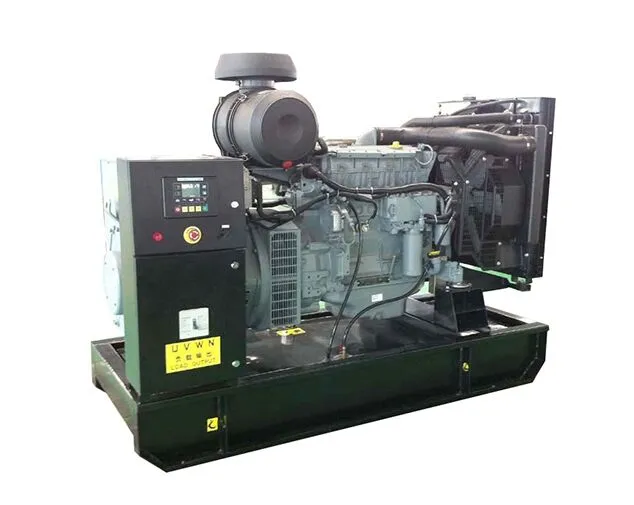
When you choose a generator brand for a project, you buy more than an engine and an alternator. You pick how much downtime you can handle. You decide how many service calls you want. And you see how your jobsite deals with bad heat, dust, or poor fuel. Deutz, Perkins, and Cummins sit in the same conversation because they cover a big part of the global diesel generator market and appear on many tender lists. The tricky part is that each brand is strong in a different way, so a name that looks “famous” is not always the best match for your site.
In the following sections, you will see how these three brands behave once the generator leaves the brochure and starts working on your site. The aim is simple: help you choose a platform that fits your real working conditions, not just a spec sheet.
Why Buyers Compare Deutz, Perkins, and Cummins
If you talk to EPC contractors, rental fleet owners, or dealers, these three engine brands come up again and again. Cummins is often linked with a premium image and a strong global support network. Perkins is associated with stable performance and reasonable pricing. Deutz, meanwhile, has built a reputation for sturdy engines that keep running in places where service access and fuel quality are far from perfect.
You compare them because once a generator reaches your site, the logo matters less than uptime, fuel use, and how the generating set reacts to heat, dust, and load swings. A wrong call here can lock you into years of small annoyances that slowly grow into big costs.
Brand Overview and Core Characteristics
At a high level, you can treat the three brands as three different answers to the same question: how to supply reliable power over many years in industrial and commercial projects. Each one solves the problem in its own way.
Cummins – Premium Performance With a Global Support Network
Cummins engines are usually water cooled and often electronically controlled, and they are widely used in mid-to-high power ranges for backup and prime power. Many users like the broad global parts and service footprint, which helps if your projects move between countries or if you run multiple sites.
For you, that means stable output and good emissions control, backed by a well-known name. The trade-off is higher purchase cost and usually higher maintenance cost, especially when you insist on genuine parts and certified service partners.
Perkins – Stable, Cost-Effective, and Easy to Service
Perkins diesel generators are common wherever there is a need for commercial backup power, light industry loads, or building services. Fleet owners often choose Perkins because of balanced fuel economy and moderate pricing, especially in the 20–300 kVA range.
If your site has decent ventilation, normal dust levels, and regular access to technicians, Perkins can give you solid value. It is less of a specialist for extreme conditions and more of a reliable workhorse for standard, well-managed installations.
Deutz – Built for Demanding Field Conditions
Deutz offers both air-cooled and water-cooled engines, with many Generador dièsel Deutz models known for compact size, good fuel efficiency, and strong power-to-weight ratio. Some Deutz series are popular in mining, telecom, and mobile equipment because they tolerate variable fuel quality and keep running where service visits are rare. In simple terms, you pick a Deutz diesel generator when you expect the site to be hot, dusty, remote, or all three at once.
Performance Comparison Table
You rarely choose a brand on name alone. It helps to see how they line up on a few practical points that affect your daily work and budget over the life of the generating set.
|
Brand |
Reliability |
Cooling System |
Fuel Sensitivity |
Maintenance Needs |
Suitability for Tough Sites |
Cost Level |
|
Cummins |
High |
Water cooled |
Low |
Medium–High |
High |
High |
|
Perkins |
Medium–High |
Water cooled |
Medium |
Medium |
Medium |
Medium |
|
Deutz |
High |
Air / Water cooled |
Very low |
Low |
Very high |
Medium |
This kind of table is a simplification, and real projects are more chaotic. Still, it reflects what many buyers report after running mixed fleets for years.
Real-World Application Performance
Once a generator leaves a showroom and reaches a live jobsite, paper specs matter less than how the generating set behaves after months of dust, heat, and load cycles. That is where the three brands start to separate in a clear way.
High-Temperature and Desert Regions
In hot climates, water-cooled Cummins and Perkins engines can perform well if radiators are sized correctly and cleaned on time. If your team follows those routines, coolant temperatures stay under control and alarms stay quiet.
Deutz air-cooled engines remove the radiator from the equation. That cuts out one common failure point when you work in places with weak airflow planning or patchy maintenance habits. For desert camps or road projects where machines idle, ramp, and idle again all day, this simplicity can save you more than a few late-night breakdowns.
Dust-Intensive Mining and Quarry Sites
Fine dust and rock particles like to clog radiators and air filters. In quarries, crushers, and underground portals, you may see temperature warnings on generator sets that never had issues in clean city installations. Cummins and Perkins can handle these loads, but they rely heavily on disciplined cleaning routines for cooling packages.
Deutz engines, especially air-cooled series, cope better when dust management is not perfect. Filtration still matters, yet you are less likely to see sudden overheating just because a radiator screen was not washed yesterday. For operators who juggle many tasks in rough sites, that margin is useful.
Remote and Off-Grid Locations
Remote villages, farms, telecom towers, and small islands share the same problem: service teams are far away. Fuel delivery may be irregular, and diesel quality may change from one shipment to the next.
In such places, Cummins gives you strong performance if you can support it with structured service contracts and a stock of parts. Perkins can work when the generator is not the only source of power and you accept some scheduled downtime. Deutz tends to shine where you want simple, robust engines that can live with variable fuel and long service intervals.
Continuous Operation and Prime Power
If you run generators 24/7 for months, even small weaknesses start to hurt. Cummins offers very strong prime-power solutions but at a higher cost level. Perkins can be a good choice for semi-continuous loads where you still have quiet periods or backup support from the grid.
Deutz often becomes attractive in continuous or near-continuous duty, the kind of continuous-duty power applications where long-hour stability matters more than brand labels. When failure is not an option and your budget is not unlimited, that balance between cost and uptime matters a lot.
Total Cost of Ownership Comparison
Over five to ten years, you do not just pay for the generator set itself. You pay for filters, oil, parts, labor, and every hour of downtime. Cummins usually leads in pure performance but asks more in purchase and service. Perkins sits in the middle: fair pricing, reasonable parts cost, and moderate downtime risk if you maintain generator sets properly.
Deutz tends to do well in projects with rough conditions and limited service. Lower fuel use in many models, compact design, and fewer cooling-related issues help you keep the cost per kWh under control. You still need a maintenance plan, but you have more room for small delays without serious damage, which is realistic for many field projects.
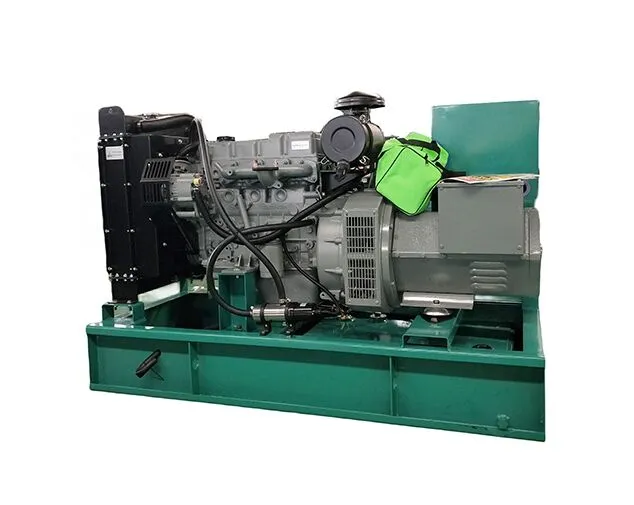
Which Generator Brand Should You Choose?
If your project is a hospital or data center in a major city, Cummins or Perkins may give you a good mix of performance and brand comfort. Local service partners are also easier to find, and spare parts tend to move quickly.
If your projects look more like construction camps, quarries, rural telecom sites, or small factories on the edge of the grid, Deutz deserves a closer look. You gain reliability in demanding conditions and avoid some of the cooling and fuel-quality issues that can hurt other platforms. In many fleets, it makes sense to keep a mix of brands and assign Deutz units to the toughest jobs rather than treat all sites as equal.
Why Many Buyers Prefer Deutz in Developing Regions
In markets across Asia, the Middle East, Africa, and South America, many users need generators that can handle hot weather, dust, and unstable fuel supply. Deutz engines already work on mining, industrial, and infrastructure sites where conditions are far from clean-room level.
For you, the message is simple: if your site looks more like a dusty hillside than a polished showroom, Deutz diesel generator is rarely the wrong answer. You get an engine family that global OEMs already trust, with variants that match real field problems instead of just brochure numbers.
Conclusion
Each brand in this comparison has a clear place. Cummins gives you premium performance and a strong global network, which helps when downtime is not acceptable and budgets are higher. Perkins offers a stable, cost-effective path for commercial backup and moderate-duty industrial users.
If your daily work involves heat, dust, remote access, or long-hour duty, Deutz often comes out ahead. Its mix of simple cooling, tolerant fuel behavior, and field-tested durability gives you a safer margin when conditions are hard to control. When you look past marketing and focus on real sites and real failures, a Deutz diesel generator tends to be the option that keeps your project moving without drama.
Uleengen as Your Generator Partner
Shandong Uleen Generator Co. Ltd. (Uleengen) is a specialist manufacturer of intelligent diesel and gas generator sets, active in the industry since 2011. Uleengen builds generators from roughly 5 kVA up to 2000 kVA for diesel generator sets and up to 2500 kVA for gas units, in open, silent, containerized and trailer configurations. That range lets you cover small commercial loads, plant backup, and large industrial projects with one supplier.
The factory works under GB/T2820-97 and IEC generator standards, and products carry CE plus ISO9001 and ISO14001 management systems. Uleengen maintains long-term cooperation with major engine and alternator brands such as Cummins, Perkins, Deutz, Weichai, Yuchai, SDEC, Baudouin, Leroy Somer, Stamford, Mecc Alte and Marathon, which makes it easier for you to standardize across fleets. With thousands of generators supplied to many countries and regions, Uleengen is used to export projects where climate, voltage, and grid conditions change from site to site. The technical team provides load analysis, sizing advice, and layout suggestions, so your Deutz, Perkins, or Cummins generator choice is tied to real duty cycles rather than guesswork.
FAQ
Choosing between these brands still raises small questions in practice, so here are a few quick answers you can use as a checklist.
Q1: Which brand for remote sites?
A: For very remote sites, Deutz is usually the safest option. Its engines handle long service intervals, variable fuel quality, and rough access better than most, so you do not need to call technicians for every small issue.
Q2: Is Cummins always better than Deutz?
A: Not in every case. Cummins has strong performance and a famous name, but in hot, dusty, or hard-to-reach places, Deutz can run more smoothly with lower total cost over the life of the generator set.
Q3: When does Perkins make sense?
A: Perkins is a good fit when you want a mid-priced, stable generator for commercial backup or light industry in normal environments, with regular access to basic service and parts.
Q4: How to match brand to your load?
A: Start from your duty cycle and site conditions. If you run 24/7 in harsh field conditions, Deutz is usually a strong candidate. For city backup with good infrastructure, Perkins or Cummins can be a better balance of cost and comfort.
Q5: Can Deutz work in Africa or South America?
A: Yes. Deutz engines already run in many high-temperature, high-dust and fuel-variable markets, including Africa and South America. You still need proper sizing and installation, but you do not need special custom builds just to cope with local conditions.


