



Contacta con nosotros
-
3-2-1003 Parque de software, zona de alta tecnología de Weifang, Shandong, China
- +8615095247272
- sales@uleengen.com
-


¿Qué es un interruptor de transferencia automática (ATS) para generadores diesel?


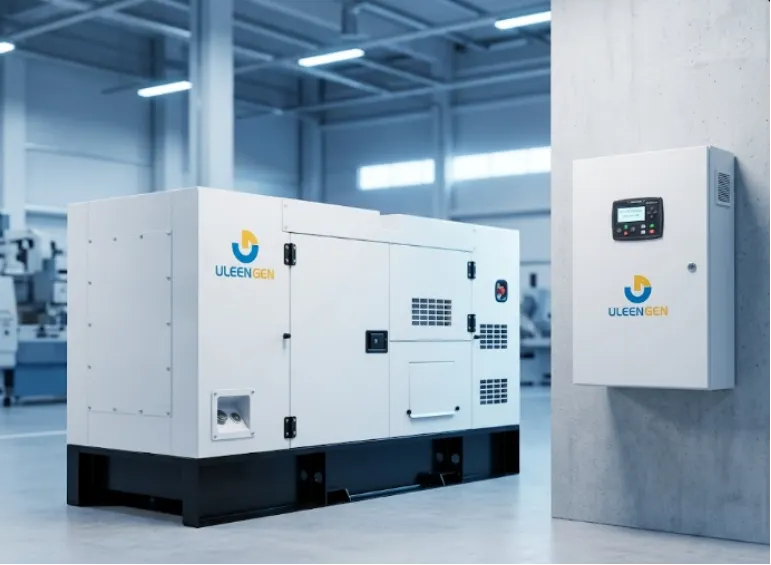
Cuando se compra un sistema de alimentación de respaldo, el motor y la calificación de kVA suelen llamar toda la atención. Lo suficientemente justo. Pero un conjunto generador no cambia su carga por sí mismo. Ese trabajo pertenece al interruptor de transferencia. En términos simples, un generador de interruptor de transferencia automática La configuración vigila la alimentación de los servicios públicos, inicia el generador cuando falla la alimentación entrante y mueve la carga a la alimentación del generador sin esperar a que alguien corra al panel. Es por eso que un ATS para proyectos de generadores diésel no es un pequeño extra. Para muchos sitios, es la diferencia entre la potencia de respaldo que es automática y la potencia de respaldo que es solo teórica.
Hay otro punto que los compradores a menudo se pierden: UleenGen no solo está listando máquinas individuales. Su sitio muestra un enfoque más amplio del sistema de energía, incluyendo grupos generadores, armarios ATS, armarios de sincronización y soporte posventa. La compañía dice que ha estado construyendo grupos generadores inteligentes desde 2011, con una amplia gama de potencia, consultoría técnica, soporte de instalación y servicio a largo plazo. Su perfil de empresa pública también enumera 20.000 metros cuadrados de área de fábrica, 6.000 generadores entregados y suministro a 70 países y regiones. Ese tipo de fondo importa cuando está eligiendo entre una gama de generadores diésel y desea que el lado de control coincida con la máquina, no se parche más tarde.
¿Qué es un interruptor de transferencia automática?
A nivel práctico, un ATS es el controlador de tráfico entre la energía de los servicios públicos y la energía del generador. No lo ves haciendo mucho en un día normal. Ese es el punto. Se sienta allí, observa la fuente y reacciona cuando la calidad de la energía cae o la red se apaga.
Un trabajo sencillo, pero grande
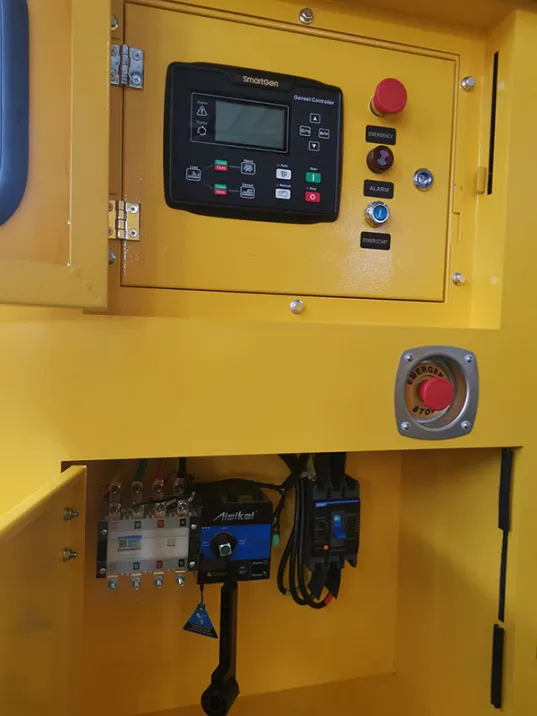
Un interruptor de transferencia automático controla la fuente normal y la fuente del generador. Cuando la energía pública se vuelve inaceptable, envía la señal de arranque al generador, espera una salida estable y transfiere la carga eléctrica. Cuando la energía de los servicios públicos vuelve y se estabiliza, vuelve a conmutar la carga. No es necesario cambiar manualmente. Ese es el trabajo principal de un sistema generador de interruptores de transferencia automática.
ATS vs. transferencia manual
Un interruptor manual puede funcionar, pero depende de que alguien esté presente, calmado, entrenado y rápido. Las interrupciones reales son desordenadas. El personal puede estar fuera del sitio. La seguridad puede no querer abrir una sala eléctrica. Una configuración manual también agrega retraso, y el retraso es exactamente lo que las cargas críticas no pueden permitirse. Una generador interruptor de transferencia automática elimina ese punto débil.
¿Cómo funciona un ATS para sistemas generadores diesel?
La secuencia no es complicada, pero ayuda a verlo en orden. Una vez que lo hace, el valor del ATS se vuelve obvio. Muchos compradores saben que el generador puede comenzar automáticamente. Menos se dan cuenta de que la carga todavía necesita transferencia controlada.
Detecta el fallo primero
El interruptor controla la energía de los servicios públicos las 24 horas del día. Si el voltaje falla o cae fuera del rango aceptable, el controlador lo lee como un corte o una fuente insatisfactoria. Algunos documentos describen esto como la primera y más básica tarea de ATS. Sin ese paso de detección, no sucede nada más.
Luego inicia el generador y transfiere la carga
Después de la detección, el ATS envía el comando de inicio al conjunto generador. Una vez que el generador alcanza condiciones estables, el conmutador transfiere la carga de la fuente de utilidad a la fuente del generador. Es por eso que un ATS para generador diesel las instalaciones están atadas tanto a la máquina como al lado de carga. No es solo un gabinete al lado del generador. Es parte de toda la lógica de potencia de respaldo.
Se cambia de nuevo cuando la energía de utilidad vuelve
Cuando la fuente de utilidad vuelve a ser estable, el ATS transfiere la carga de vuelta y permite que el generador se detenga después de la secuencia adecuada. Idea sencilla, pero muy importante. No quieres que los operadores adivinen cuando la red está “probablemente de vuelta para siempre”. Los sistemas de energía odian adivinar.
¿Por qué su generador necesita un ATS?
Esta es la parte que preocupa a la mayoría de los clientes. No la teoría. El punto de dolor. Si su sitio puede esperar diez o quince minutos para que alguien venga y cambie la energía, puede vivir con la transferencia manual. Si no, necesitas automatización.
Reduce el tiempo de respuesta
En una sala de servidores, una clínica, un taller o un sitio de almacenamiento en frío, unos minutos pueden parecer muy largos. Un sistema generador de interruptores de transferencia automático reduce el tiempo de transferencia porque el interruptor reacciona tan pronto como falla la fuente normal. No estás esperando una llamada telefónica, una llave o el único técnico que sabe qué interruptor tocar.
Hace que el sistema de copia de seguridad sea más seguro y fiable
Asuntos de transferencia controlada. Quiere un control claro de la fuente, un cambio de carga adecuado y menos espacio para el error humano. de UleenGenLas páginas del producto reflejan esta vista del sistema bastante bien. La compañía enumera los gabinetes ATS junto con los generadores y los gabinetes de sincronización en lugar de tratarlos como una reflexión posterior. Sus páginas de generador también muestran protección de rango completo, funciones de apagado de alarma, opciones de fase única y de tres fases, y varios tipos de estructura, incluyendo unidades abiertas, silenciosas, remolques y contenedores.
Se adapta mejor a sitios reales
Aquí es donde UleenGen silenciosamente se destaca. Su gama publicada abarca de 20 a 2500 kVA en la página del generador diesel referenciado, con cifras de bajo ruido de 68 a 75 dBA a 7 metros, bastidores de base pesados y opciones de depósito de combustible de 8 a 24 horas. Esto significa que puede combinar la misma lógica de control con condiciones de sitio muy diferentes, desde una instalación comercial silenciosa hasta un patio industrial más difícil. Si desea ver directamente el lado de control, las opciones de gabinete ATS enumeradas en línea van de 80A a 1250A.
¿Cómo elegir el ATS adecuado para su generador?
Aquí es donde muchos proyectos van mal. La gente dimensiona el motor con cuidado, luego deja el interruptor de transferencia hasta el último minuto. Eso generalmente crea una discrepancia en algún lugar, ya sea en la clasificación actual, fase, carcasa o compatibilidad de control.
Compatibilidad de capacidad, carga y fase
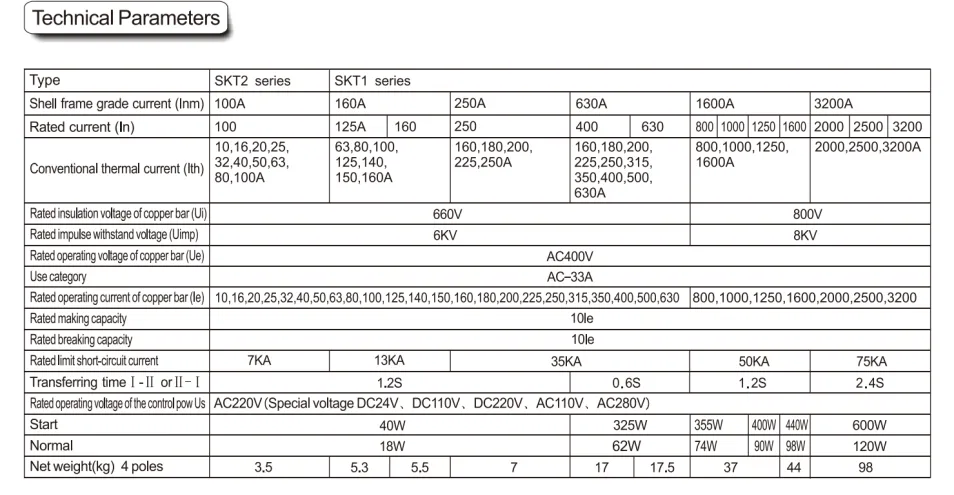
Comience con la carga, no solo con la etiqueta del generador. El ATS tiene que coincidir con la corriente y la disposición eléctrica del sitio. Los tamaños de gabinete ATS publicados por UleenGen abarcan 80A, 100A, 125A, 160A, 250A, 400A, 630A, 800A, 1000A y 1250A, lo que proporciona un rango útil para proyectos pequeños y grandes. Su página de generadores diesel también enumera opciones de fase única y trifásica, además de opciones de voltaje comunes.
Piensa en el Medio Ambiente y la Integración
Una planta interior, un patio al aire libre y un proyecto móvil no solicitan el mismo paquete. Esa es una de las razones por las que UleenGen enumera grupos generadores abiertos, silenciosos, móviles y contenedores en la misma página de la familia de productos. También importa que la empresa presente armarios de control, no solo motores y alternadores. Si desea una visión más limpia del negocio detrás de esa configuración, el perfil de la empresa da la imagen más amplia.
No ignore el servicio después de la venta
El equipo eléctrico es fácil de admirar antes de poner en marcha. Después de eso, el apoyo importa más. La página de servicio de UleenGen indica soporte técnico gratuito 24/7, respuesta dentro de 12 horas, soporte de piezas de repuesto y asistencia técnica de por vida. Eso no es peluche cuando un sitio está apagado y su electricista necesita un número de pieza rápido. Puede comprobar los detalles de soporte del servicio publicados usted mismo.
Preguntas frecuentes
Q1: ¿Qué es un interruptor de transferencia automática sistema generador?
R: Es una configuración de energía de respaldo en la que el interruptor de transferencia monitorea la energía de los servicios públicos, inicia el conjunto de generadores cuando sea necesario y transfiere la carga automáticamente entre las dos fuentes.
Q2: ¿Siempre necesita un ATS para proyectos de generadores diésel?
R: No siempre, pero si su sitio no puede tolerar el retraso manual, o si nadie está de servicio durante cortes, un ATS para el uso del generador diésel es generalmente la mejor opción.
Q3: ¿Puede un generador diesel funcionar sin un ATS?
R: Sí, pero la transferencia de carga generalmente necesitará acción manual u otra disposición de conmutación. El generador por sí solo no mueve la carga del edificio.
Q4: ¿Cómo elige el tamaño ATS correcto?
R: Compruebe la corriente de carga y la corriente del generador, fase, voltaje, diseño del sitio y compatibilidad del controlador. Las opciones de gabinete ATS publicadas en el sitio de UleenGen van de 80A a 2500A, lo que es un punto de referencia útil para las discusiones sobre el tamaño.
Q5: ¿Qué tipo de proveedor es mejor adecuado para los proyectos ATS?
R: Por lo general, un proveedor que puede cubrir grupos generadores, armarios de control y soporte posventa le da una ruta de proyecto más suave que comprar cada parte de un lugar diferente. UleenGen presenta esa cadena completa públicamente, desde productos de generadores hasta armarios y servicio ATS.


