



Contacta con nosotros
-
3-2-1003 Parque de software, zona de alta tecnología de Weifang, Shandong, China
- +8615095247272
- sales@uleengen.com
-


Generadores de reserva para centros de datos: Evite tiempos de inactividad | UleenGen


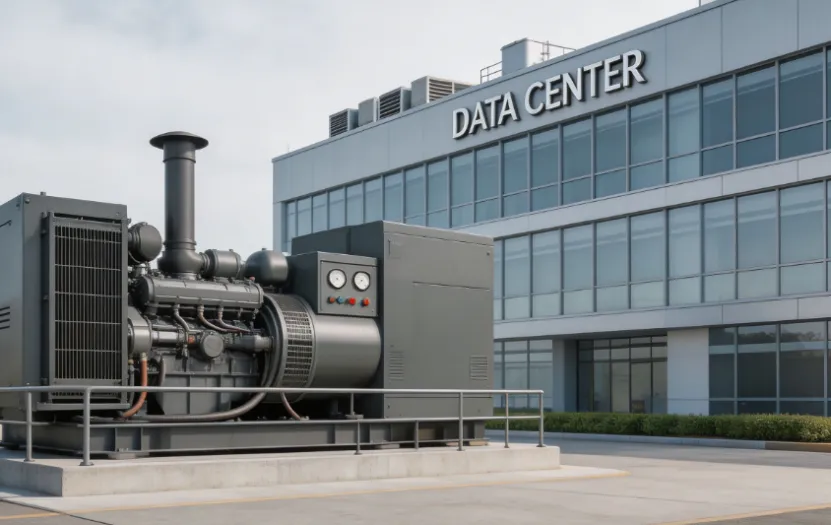
Cuando un centro de datos se queda sin conexión, el tiempo empieza a correr rápidamente. Un solo minuto de inactividad provoca pérdidas millonarias y el incumplimiento de los acuerdos de nivel de servicio. Para los administradores de instalaciones, garantizar la fiabilidad es fundamental. energía de respaldo de misión crítica Es la única forma de dormir tranquilo por la noche. Las tormentas y los apagones programados ocurren constantemente. Necesitas generadores de respaldo para centros de datos como medida de seguridad definitiva.
¿Cuál es el enorme riesgo financiero que supone la inactividad del servidor?
Los centros de datos no solo almacenan fotos de vacaciones. Gestionan redes hospitalarias, aplicaciones bancarias y enormes tiendas en línea. Cuando se produce un apagón, el impacto financiero es brutal e inmediato.
Pérdida de ingresos y multas por incumplimiento de los acuerdos de nivel de servicio (SLA).
Las grandes empresas tecnológicas pagan multas cuantiosas si sus servidores se caen. Los sitios de comercio electrónico pierden miles de ventas cada segundo durante un apagón. Los clientes pagan por un servicio ininterrumpido, y si fallas, se irán con la competencia.
Daños en el hardware y pérdida de datos
Una caída repentina de energía no solo apaga las computadoras. Puede dañar físicamente equipos costosos. Cuando la red eléctrica de la ciudad falla, todos los equipos... Carga de potencia del rack de servidores De repente, todo depende de tu sistema de respaldo para seguir funcionando. Los discos duros que escriben datos justo en el momento de un apagón se corrompen. Reemplazar el hardware dañado cuesta una fortuna.
¿Cómo funcionan los estándares de potencia de nivel 3 y nivel 4?
No todos los centros de datos son iguales. La industria clasifica las instalaciones según normas específicas. Estas normas determinan la cantidad exacta de equipos de alimentación de respaldo necesarios fuera del edificio.
Explicación de los niveles del Uptime Institute
Las instalaciones de nivel 3 requieren un tiempo de actividad del 99,982 %. Las de nivel 4 exigen un tiempo de actividad del 99,995 %. Para alcanzar estas cifras, básicamente se necesita una central eléctrica de reserva completamente independiente. No se puede permitir un solo punto de fallo en toda la cadena eléctrica.
Redundancia N+1 y 2N
Actualizar a una configuración de redundancia N+1 significa que siempre tendrá un generador de respaldo listo para funcionar si un motor falla durante una tormenta. La lógica es sencilla: si su instalación necesita tres grupos electrógenos para cubrir la carga total, se instalan cuatro. Una configuración 2N implica tener un sistema de energía totalmente duplicado e independiente funcionando en paralelo.
¿Cómo funciona la transferencia de energía de respaldo?
El cambio de la electricidad de la red a un ruidoso generador diésel tarda unos segundos. En el mundo de los servidores, unos segundos de inactividad son un desastre. La instalación utiliza un puente para mantener todo en funcionamiento mientras se activan los grandes motores.
UPS cierra la brecha
Bancos de baterías gigantes conocidos como fuente de alimentación ininterrumpida Mantén los servidores en funcionamiento durante esos primeros segundos cruciales. Sin embargo, es un puente muy corto. Las baterías se agotan rapidísimo con cargas pesadas. Solo te dan el tiempo suficiente para que arranquen los motores.
El traspaso de inicio rápido
En el momento en que se apagan las luces, interruptor de transferencia automática Detecta la caída de tensión y arranca el motor inmediatamente. El generador debe activarse, alcanzar su máxima velocidad y absorber toda la carga eléctrica de las baterías antes de que se agoten. Sinceramente, estar en la sala de control de una instalación cuando se produce un fallo en la red eléctrica y esperar esos 10 segundos a que los motores arranquen se hace eterno.
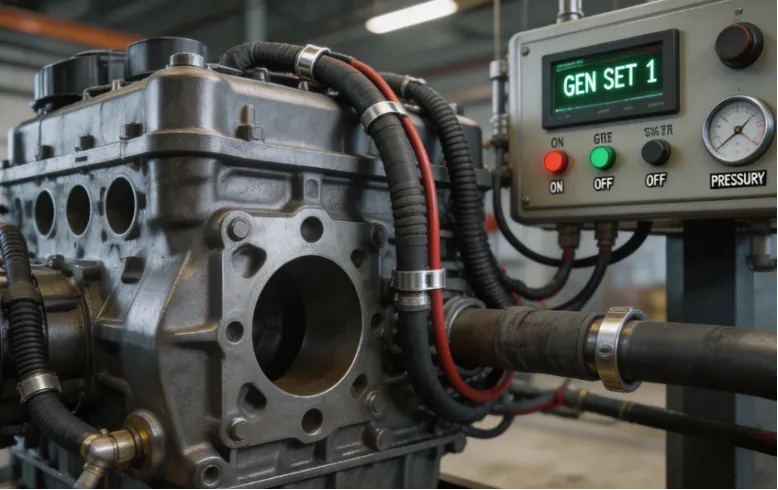
¿Por qué elegir el motor adecuado para la copia de seguridad del centro de datos?
No se puede conectar un generador básico de obra a un centro de datos. El motor debe reaccionar más rápido que una máquina normal y ser totalmente a prueba de balas.
Por qué el tiempo de respuesta lo es todo
En este sector, un grupo electrógeno debe arrancar y soportar el 100 % de su carga en 10 a 15 segundos. Los motores de arranque lento son completamente inútiles para los centros de datos. Para proteger los archivos de los clientes, se necesita un motor diésel de respuesta rápida que pueda alcanzar su máxima velocidad de inmediato.
Confianza en bloques de motor fiables
Al construir una instalación, los directores de TI suelen especificar un generador diésel de alta potencia debido a su trayectoria comprobada. Arrancan y soportan cargas eléctricas masivas en cuestión de segundos. Los administradores de instalaciones se niegan a correr riesgos con marcas baratas y desconocidas. Un bloque de motor defectuoso representa un riesgo financiero enorme.
¿Cómo encaja UleenGen en su estrategia energética?
Es fundamental prevenir costosos cortes de energía antes de que ocurran. Para ello, se requiere equipo robusto y de alta resistencia. Elegir las herramientas eléctricas adecuadas supone una importante inversión. de UleenGen Se posiciona como un proveedor especializado en grupos electrógenos de grado industrial, diseñados específicamente para el respaldo de instalaciones.
En lugar de vender equipos genéricos, UleenGen le proporciona el bloque motor y el alternador exactos que su instalación necesita para alcanzar esos ajustados tiempos de arranque de 10 segundos. Ya sea que necesite un generador de reserva para un pequeño centro de telecomunicaciones o una compleja configuración de varios grupos electrógenos para un enorme centro de servidores, sus equipos le ofrecen la solución ideal.
Invertir en un sistema de alimentación totalmente tolerante a fallos implica confiar en un proveedor con experiencia en entornos críticos. Estos proveedores ofrecen grupos electrógenos robustos que se activan al instante y asumen la carga sin interrupciones. Elegir el equipo adecuado garantiza la seguridad de sus datos y la satisfacción de sus clientes.
Preguntas frecuentes
P1: ¿Cuál es la función principal de un generador de reserva en un centro de datos?
A: Funciona como una enorme red de seguridad. Proporciona electricidad inmediata y de alta potencia para mantener los servidores en funcionamiento cuando falla la red eléctrica local de la ciudad.
P2: ¿Qué significa una configuración de alimentación N+1?
R: Significa que usted cuenta con la cantidad exacta de grupos electrógenos necesarios para el funcionamiento de sus instalaciones, más una unidad de repuesto adicional por si acaso alguna máquina se avería.
P3: ¿Con qué rapidez debe arrancar un generador durante un apagón?
R: En un centro de datos, el motor normalmente debe activarse y aceptar la carga eléctrica completa en 10 a 15 segundos.
P4: ¿Por qué los centros de datos utilizan baterías y generadores conjuntamente?
A: Las baterías proporcionan energía instantánea en el preciso instante en que se cae la red eléctrica, pero se descargan rápidamente. Mantienen los servidores encendidos el tiempo justo para que el generador diésel arranque y tome el relevo.
P5: ¿Por qué el tiempo de inactividad del servidor es tan costoso?
A: Las instalaciones se enfrentan a enormes multas económicas por incumplir los contratos con sus clientes. Un corte de energía repentino también daña físicamente los costosos discos duros y corrompe archivos importantes.


