



contact us
-
3-2-1003 Software park, Weifang Hi-tech Zone, Shandong, China
- +8615095247272
- sales@uleengen.com
-


Perkins Diesel Generator for Africa: Silent Generator Sets for Urban Backup Power
Silent Diesel Generator for Africa: Noise Level, Perkins Options, and Sizing for City Projects
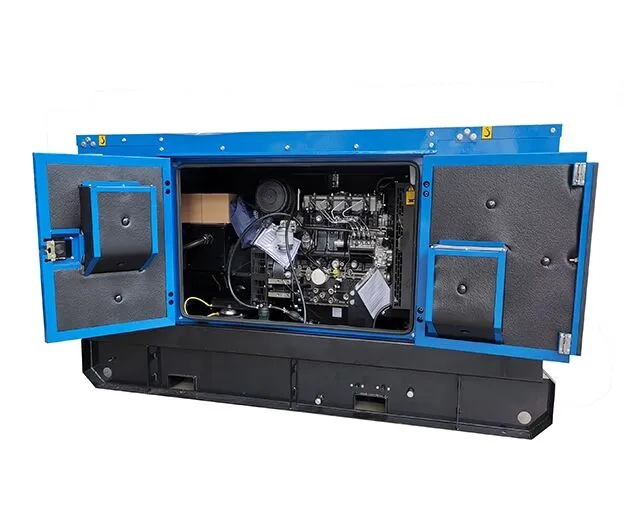
African cities are building upward and tightening expectations for comfort at street level. That shift changes what “reliable power” means. In many urban projects, a generator is no longer judged only by kVA and fuel burn. It is judged by whether it can run at night without triggering noise complaints, tenant churn, or site shutdowns. That is why demand is rising for a silent diesel generator for Africa, especially soundproof generator sets built around Perkins diesel engines for city hospitals, hotels, malls, telecom rooms, and office towers.
A modern silent generator set typically uses an acoustic canopy and upgraded airflow design to reduce noise to about 70–75 dB at 7 meters in standard configurations. That range can make the difference between a generator that is tolerated and one that becomes a constant operational problem.
What Is a Silent Diesel Generator (Soundproof Generator Set)?
A silent diesel generator is not a different engine type. It is a generator set engineered as a system to reduce airborne noise, vibration transfer, and exhaust sound. Most “silent” units include an enclosed canopy, internal acoustic insulation, and carefully designed air intake and outlet paths that limit sound leakage while still cooling the engine properly.
Acoustic Canopy and Soundproof Enclosure Basics
A typical soundproof generator set uses:
- Acoustic insulationon inner canopy surfaces to absorb high frequency noise
- Baffled airflow pathsso sound does not travel straight out of vents
- Vibration isolatorsbetween the skid and base to reduce structure borne noise
- Improved exhaust silencing, often with residential sensitive or critical grade options
For buyers, the most useful spec is not “silent” in marketing text. It is the generator noise level at 7 meters, measured under a consistent load and test condition.
Typical Noise Level at 7 Meters
In many urban deployments, buyers look for a target around 70–75 dB at 7 meters for a standard silent canopy set. Lower targets are possible with higher grade acoustic packages, but you should evaluate the full system impact. Extra silencing can increase back pressure or restrict airflow if the design is not balanced.
Why Silent Diesel Generators Are Common in African City Projects
In dense cities, the generator is often installed closer to people than engineers would prefer. Site constraints push sets onto rooftops, narrow yards, basement ventilated rooms, or shared utility corridors. At the same time, residents and commercial tenants are less willing to accept “temporary noise” that lasts for years.
Hospitals and Clinics
Hospitals and clinics need backup power that is reliable and socially acceptable. A loud set can cause patient stress, disrupt rest, and trigger complaints that quickly escalate to management action. Silent generator sets help keep critical loads running, including operating theatres, refrigeration for medicines, and essential lighting, without turning the generator into a neighborhood conflict.
Hotels, Malls, and Office Towers
Hospitality and retail sites depend on experience. A generator that roars during a grid outage can damage brand perception and shorten tenant leases. In many city projects, a silent diesel generator for hotel operations is treated as part of building quality, not just a utility item. For office buildings, the goal is business continuity without pushing occupants out of the building.
Telecom Rooms, Data Closets, and Distributed Sites
Telecom equipment is often placed near residential districts or inside mixed use buildings. Noise control matters, but so does runtime and maintenance access. Silent canopy sets can be packaged to support predictable maintenance cycles while meeting stricter noise expectations.
Perkins Diesel Generator for Africa: What Buyers Actually Care About
Perkins engines are widely selected because they are known for stable performance, broad application coverage, and a service ecosystem that many buyers recognize. In Africa, where duty cycles can be harsh and fuel quality can vary by region, the practical buying questions tend to be about serviceability, parts access, and total operating cost.
Service Network and Parts Availability
A generator can be technically perfect and still fail a project if downtime stretches due to parts delays. When buyers ask for a Perkins diesel generator for Africa, they often want confidence that common service parts, filters, and trained technicians are available within the region. If your project is in a city with limited repair capacity, a strong service plan matters as much as the engine rating.
Fuel Consumption at Real Loads
Urban sites rarely run at nameplate load all the time. Many operate at partial load for extended periods, then spike when elevators, pumps, or HVAC units start. Ask suppliers for fuel consumption at 75% load (L/h) and compare across the kVA range you are sourcing. This helps you estimate weekly fuel logistics, not just a lab number.
Long Runtime and Heat Management
City installations often have restricted airflow due to walls, fences, rooftop parapets, or shared utility rooms. A good silent set design manages heat without turning the enclosure into a noise leak. Look for a canopy and radiator configuration that supports stable temperatures under the ambient conditions your city experiences.
How to Choose the Right kVA for Urban Backup Power
Sizing is the fastest place to lose reliability. Undersize and you risk overload trips, voltage dips, and early wear. Oversize and you risk inefficient operation and carbon buildup from long low load running.
Step 1: Build a Load List That Matches Reality
Start with a load list that reflects actual usage during outages. Common city loads include:
- Elevators and lift controllers
- Water pumps, booster systems, and sump pumps
- Fire safety systems and emergency lighting
- Server rooms, telecom racks, and security systems
- Refrigeration, cold rooms, or pharmacy storage
- HVAC units that must run for safety or minimum comfort
Separate “must run” loads from “nice to have” loads. Your generator should reliably support the must run group with headroom for starting currents.
Step 2: Account for Starting Currents and Motor Loads
Motors draw higher current at startup. Pumps, compressors, and elevator drives can cause large inrush events. Sizing should consider these transients, not only steady state watts. If you ignore starting behavior, the generator can look adequate on paper but perform poorly in a real outage.
Step 3: Decide on Runtime Strategy and Fuel Logistics
In many cities, outages are short but frequent. In others, outages can last long enough that fuel delivery becomes the risk. Clarify:
- Desired runtime on the day tank and external tank
- Refueling access constraints in dense neighborhoods
- Fuel storage rules and safety requirements
A realistic runtime plan prevents the generator from becoming a daily operational burden.
Installation Checklist for Low Noise in Urban Sites
Even the best silent canopy cannot solve a bad installation. Noise complaints often come from reflection, exhaust direction, and vibration transfer more than from the raw engine sound.
Site Placement: Rooftop, Basement, Yard, or Utility Room
- Rooftop: Good for distancing from neighbors, but structure borne vibration can travel into the building if isolators are not designed correctly.
- Basement or enclosed room: Requires careful ventilation design. Poor airflow can raise temperatures and force fans to run louder.
- Yard installation: Watch for sound reflection off nearby walls, which can amplify perceived noise at street level.
Exhaust Routing and Back Pressure
Exhaust noise is a major component of complaints. Ensure the silencer grade matches your noise goal, and route exhaust away from windows and sensitive boundaries. Avoid excessive back pressure that can reduce engine efficiency or increase thermal stress.
Airflow Paths and “Noise Leaks”
Silent canopies depend on airflow paths that block direct sound escape. Avoid modifications that create straight line openings. Confirm that louvers and ducting do not become “sound tunnels.”
Foundation, Mounting, and Vibration Control
Use proper mounting and vibration isolation. A generator that is quiet in the air can still transmit vibration into concrete slabs and building frames, which occupants experience as low frequency rumble.
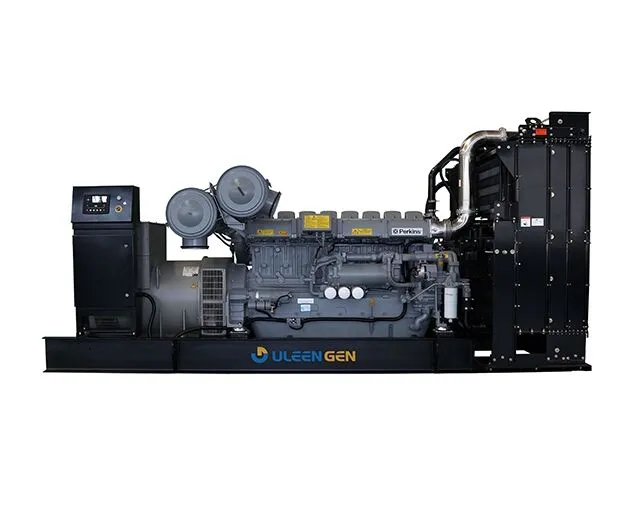
Silent vs Open Diesel Generator Sets for Urban Sites
| Item | Silent Diesel Generator (Soundproof) | Open Type Diesel Generator |
| Typical noise target (7 m) | Around 70–75 dB with standard canopy | Often significantly higher without enclosure |
| Best use cases | Hospitals, hotels, malls, offices, telecom near residential areas | Industrial yards, remote sites, noise tolerant areas |
| Complaint risk | Lower when installed correctly | Higher in dense neighborhoods |
| Weather protection | Built in canopy protection | Requires separate shelter |
| Maintenance access | Good if canopy is well designed | Easy access, but less protected |
| Installation sensitivity | High, placement and airflow matter | Moderate, but noise remains an issue |
This comparison is why “silent” becomes the default in city projects. Noise is not a secondary detail. It is a success or failure factor.
Operating and Maintenance Notes for City Reliability
Urban sites often have more frequent start stop cycles and more pressure to keep noise and smoke minimal.
Regular Testing Without Disrupting Neighbors
Schedule testing during acceptable hours and keep the system tuned. Poor maintenance increases smoke, vibration, and uneven combustion, all of which worsen perceived noise and trigger complaints faster.
Filters, Cooling, and Dust
Some city areas still have heavy dust exposure due to traffic, construction, and dry seasons. Dust loads filters and can reduce cooling efficiency. A blocked airflow path can make fans work harder and raise noise.
Avoid Long Low Load Operation
Oversized sets that run at very low load can develop carbon buildup and efficiency losses. If your load is variable, consider load management, staged loads, or multiple smaller sets depending on the project’s redundancy needs.
Conclusion
Choosing a silent diesel generator for Africa is rarely about a single specification. It is about how your site behaves during outages, how close the generator sits to people, and how predictable maintenance and fuel logistics are in a city environment. Soundproof generator sets with an acoustic canopy help projects meet comfort expectations, especially when targeting noise levels around 70–75 dB at 7 meters under consistent testing conditions. For many buyers, a Perkins diesel generator for Africa is attractive because it aligns with familiar service expectations and proven city duty cycles, provided sizing and installation are handled with the same seriousness as the engine selection.
A Power Partner African Cities Can Rely on
Uleengen supplies diesel and gas generator solutions for industrial and commercial power needs, supporting applications from city backup power to continuous duty projects. The focus is on practical generator set configuration, reliable component selection, and project oriented support so buyers can match noise control, runtime, and maintenance reality to the site’s operating conditions.
FAQ
What is a good dB level for a silent diesel generator in a city area?
Many urban projects aim for around 70–75 dB at 7 meters for a standard silent canopy generator set. The exact target depends on how close the set is to residences, site boundaries, and local expectations. Installation quality can affect real perceived noise as much as the nameplate rating.
How do I size a diesel generator for a hospital in Africa?
Start by listing critical loads, including medical equipment, lighting, refrigeration, pumps, and any required HVAC. Then include starting currents for motor loads and decide which loads must run simultaneously. Hospitals usually benefit from extra headroom and clear redundancy planning.
Does an acoustic canopy reduce maintenance access?
A well designed acoustic canopy should still allow access to filters, oil service points, and control panels through large service doors and removable panels. Poor canopy design can slow maintenance, so check service access before purchase, not after installation.
Silent diesel generator for hotel use: what should I check first?
Check noise level at 7 meters, enclosure quality, exhaust silencing, and placement options. Then confirm the set can handle elevator and pump starting currents without voltage dips. For hotels, fuel logistics and planned testing routines also matter because guest experience is sensitive.
One large generator vs multiple smaller generator sets: which is better for redundancy?
Multiple smaller sets can improve redundancy and allow staged operation to match load, which helps efficiency. One large set can simplify installation and maintenance in some sites. The best choice depends on how critical your loads are, your available space, and how you manage fuel and service support.


