



contact us
-
3-2-1003 Software park, Weifang Hi-tech Zone, Shandong, China
- +8615095247272
- sales@uleengen.com
-


Procuring from China: A Master Timeline from Quote to Commissioning
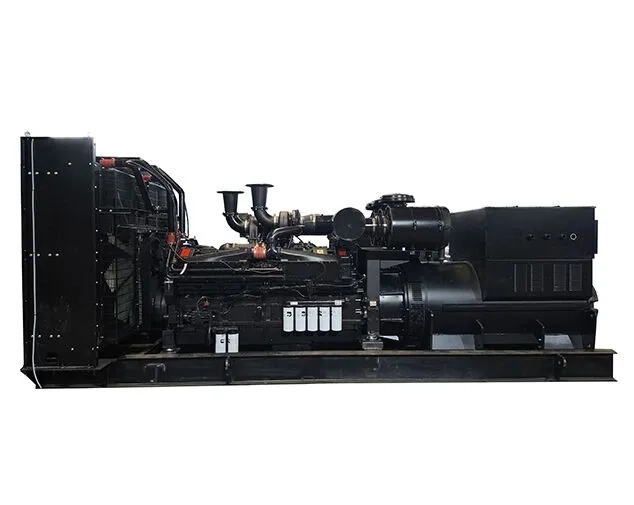
Before you place your first order or ask for a quote, understanding the whole process of importing diesel generators from China can save you weeks. Sometimes it saves months. It prevents back-and-forth emails, delays, and extra costs. This timeline goes from preparing technical specs to final setup at your site. It’s not just a simple list. It acts as your guide to reliable delivery and easy handling.
Shandong Uleen Generator Co., ltd. (Uleen Gen) makes smart diesel generator sets. They have more than ten years of experience shipping to over 70 countries and areas. Their products range from 10kVA to 3000kVA. They partner with top engine and alternator brands for the long term. They provide factory-direct changes and strong support after the sale. This makes buying more dependable. Check their main website at uleengen.com.
Setting the Stage: From Idea to Initial Inquiry
Before you send RFQs or reach out to sellers, you need to prepare well. This way, your questions get real answers. Not just basic price sheets.
Clarifying Product Specifications and Compliance Needs
For diesel generators, small details count a lot. You must state the power you need, like 30kVA or 250kVA. Pick the fuel type, such as diesel or gas. Decide on the enclosure, whether open-frame or quiet cover. Emission rules are key. For Europe, it’s CE. For North America, it’s EPA Tier 3. If you skip this early, customs problems will hit later.
Include packaging details in your first talks. Say you’re shipping to a place with 50Hz power. But the seller plans for 60Hz. That could lead to expensive fixes or rejection when it arrives.
Choosing Between Direct Supplier or Sourcing Agent?
You have two paths: go straight to the factory or hire a sourcing agent. Direct contact means clearer prices. But you handle talks, checks, and planning yourself. Agents stand between you and the maker. They help with deals, rule checks, and shipping. They charge a fee or cut, though.
Agents let importers keep some say. They make finding items easier. And they boost how well your import work runs.
Pick based on your know-how and time to deal with factory snags from afar.
Requesting Quotations and Comparing Offers
Send detailed RFQs. Cover specs, amounts, Incoterms like FOB, CIF, or DDP. Add hoped-for delivery date. List needed papers, such as ISO9001 or CE. State what you expect for warranties.
Price isn’t everything. Dig into other parts. Check the generator brands. Look at the alternator type, like Stamford or Leroy Somer. Review warranty details. Uleen gives 1–2 years or 1500 running hours. Note the wait time. And see the service after sale.
Big names like Cummins or Perkins offer worldwide warranties.
Selecting the Right Partner: Vetting Suppliers in China
A bad choice of seller can mess up the whole buying trip. Checking them goes beyond quick looks at Alibaba pages.
Evaluating Supplier Credentials and Capabilities
Ask for their business license, export okay, and fresh factory pictures. Get info on jobs like yours in size and type. Third-party check reports add trust if they have them.
A solid seller like Uleen Gen shows engine ties with Deutz, Perkins, Weichai. They use alternators from Leroy Somer and Stamford. These are known around the world.
Factory vs Trading Company: What Works Better for Diesel Generators?
Factories often give tighter grip on build times and prices. Trading firms might have more item types and low minimum orders. But they add steps away from the actual making spot.
Use traders if you want various gear from one place. Or if you need easy changes in labels or packing for different goods.
Visiting the Factory (or Virtual Audit Alternatives)
Going there in person is best. But it’s not always doable. Ask for video tours. They should show build lines, test areas for loads, quality stops, and parts storage. Spot any mismatches between the video and their spec sheets.
Order Finalization: Negotiating Terms That Work
After picking a seller, set the rules that guide your deal.
Setting Payment Terms That Balance Risk
A usual setup is 30% down and 70% before ship after last check. For big buys, Letters of Credit cut risks. But they mean more papers.
Don’t pay all upfront. Unless it’s a trusted seller you’ve used before with no issues.
Creating a Clear Purchase Agreement
Your buy contract needs to cover:
-
Precise technical specs
-
Okayed alternator and engine brands
-
Serial numbers if needed
-
Delivery schedules
-
Fines for late arrival
-
Payment details
-
Incoterms spelled out
Put contracts and POs in your company’s name with the factory. Not just through the agent.
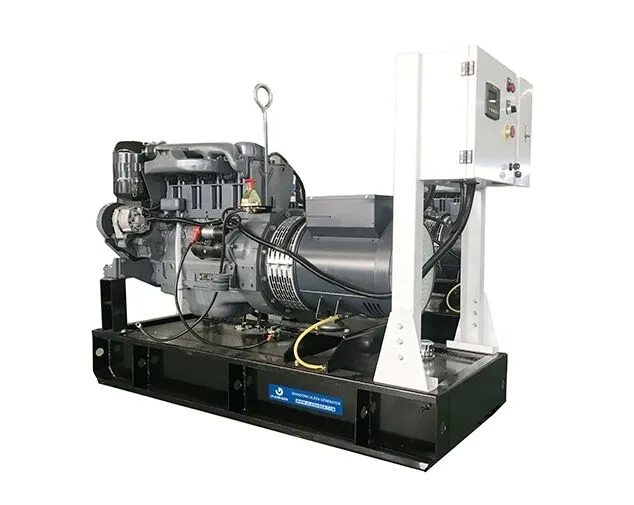
Production Oversight: Keeping Things on Track
When making starts, staying in touch matters most.
Monitoring Production Milestones Step-by-Step
Building takes time. Common steps are:
-
Getting the engine
-
Making the casing
-
Putting together alternator and engine
-
Adding electrical wires and control panel
-
Testing under real loads
Request pictures or videos at each step.
Handling Mid-production Adjustments Smoothly
You might need changes from rules or buyer asks. Small ones, like plug style or panel setup, get noted in PO updates or emails.
Bigger shifts that hit cost or time need new talks.
Role of Third-party Quality Control Services
Hire outside QC at key spots:
-
Before production check (are materials set?)
-
DUPRO check while building
-
Final random check
Look at alternator type match, wire setups, engine numbers, paint job, and noise fit. This is vital for quiet units.
Shipping & Logistics: Getting It Out of China Safely
Shipping trips up even pros. Often because papers don’t match what customs wants.
Choosing the Right Mode of Transport Based on Generator Size?
A lone 20kW unit weighs less than 500kg. LCL sea or air might fit for quick needs. But over 30kW suits full container sea better. For units past 2000kg or big ones like container types, you need special haul gear.
Shandong Uleen Generator Co., ltd. knows how to send large items. Like 880KVA containerized diesel generators to places such as Saudi Arabia. If you’re getting a Perkins diesel generator or checking Deutz diesel generator choices, Uleen Gen offers helpful advice.
Managing Customs Documents and Export Declarations
Make sure your invoice lines up with the PO. Check description, HS codes, value. Wrong or missing bits can hold up clearance for days.
You need these papers:
-
Commercial invoice
-
Packing list
-
Bill of lading
-
Country of origin certificate
-
CE/EPA compliance docs
Commissioning & Local Setup: The Final Stretch
Your generator is here. Now install and test it. Many skip planning this part.
Preparing for Installation Upon Arrival
Unpack with right tools from the packing list weight. Forklifts or cranes, based on size.
Check if the voltage and frequency match your local power before starting.
Coordinating On-site Testing and Commissioning
Some sellers give help from afar. Others send techs for extra pay. Do full load runs in real setup. Note voltage steadiness, frequency rightness, fuel use. This backs your warranty later.
Maintaining Control Without Micromanaging
Trusting your agent or seller doesn’t mean losing grip. You can check key points like deposit okay or inspection times.
Uleen Gen sees that many steady buyers began small. They stuck around thanks to steady chats. Even when problems popped up during jobs.
When Things Go Sideways: Common Pitfalls to Avoid
Even experts slip when they hurry or guess too much.
Delays Due to Vague Specifications
Ask for a “basic panel,” and you could get varied designs. Always add drawings if you can.
Miscommunication from Time Zone Differences
Set shared work times early. A six-hour wait per message builds up over weeks.
Soft Tips That Make a Big Difference
Building ties counts in business deals. A quick WeChat note during holidays creates good vibes. That often speeds up answers when it matters.
FAQ
Q1: How long does it usually take from quote to commissioning?
A: Typically 8–12 weeks depending on product complexity and whether air or sea freight is used.
Q2: Can I import without visiting China?
A: Yes—you can work with vetted suppliers or trusted agents and use third-party inspections to manage risk remotely.
Q3: What documents are essential at customs?
A: You’ll need a commercial invoice matching your PO exactly, packing list, bill of lading/airway bill, certificate of origin, and CE/EPA certificates where applicable.
Q4: What’s the safest payment method?
A: A Letter of Credit offers strong protection but requires bank setup; T/T (telegraphic transfer) is widely used when trust is established.
Q5: Do I always need an agent when sourcing diesel generators?
A: Not always—but if you’re new to importing from China or dealing with complex specs, an experienced sourcing agent can reduce errors significantly.


