



contact us
-
3-2-1003 Software park, Weifang Hi-tech Zone, Shandong, China
- +8615095247272
- sales@uleengen.com
-


Natural Gas Generator vs Diesel Generator for Industrial Power Projects
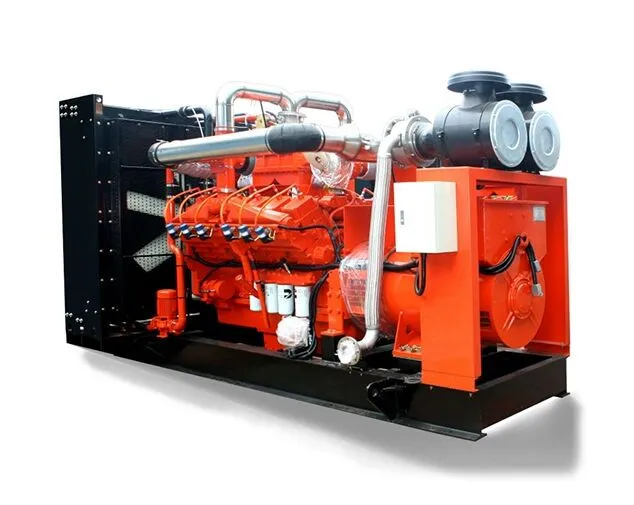
Industrial backup and prime power planning rarely comes down to a single spec line. When you compare a natural gas generator vs diesel generator, the real factors are how your site secures fuel, how loads behave in daily operation, what permit limits apply, and how much downtime your process can tolerate. This guide looks at both options from a project-first perspective, helping you select a generator strategy that fits real operating conditions instead of forcing the project to adapt to the equipment.
Start With Your Duty Profile
The fastest way to avoid a bad match is to define how the generator will actually run: standby, prime, peak shaving, or mixed duty. Two sites with the same kW number can have completely different generator needs based on runtime and load volatility.
Prime power and long runtime projects
If you run many hours per year, fuel cost, stable operation, and maintenance rhythm dominate your decision. Natural gas often looks strong when you have reliable pipeline supply and predictable loads. Diesel often looks strong when the site is remote, the load is messy, or fuel logistics are the only thing you fully control.
Standby and emergency-only projects
If your set is mostly idle, startup reliability and readiness testing matter more than “best efficiency.” In standby scenarios, either fuel can work, but diesel is usually simpler to deploy fast. Gas can still win if your site already has stable gas service and tight emissions expectations.
Hybrid and expansion phases
Many industrial sites grow in phases. If you expect future capacity expansion, think about whether you want one standardized generator family across sites, or different fuels by location. That decision affects spare parts, technician training, and how you standardize ATS and switchgear.
Fuel Logistics and On-Site Risk
Fuel availability is not a marketing point. It is an operational risk line item.
Natural gas: supply stability is the real question
A natural gas generator can be cost-effective for high-run projects, but only if the gas supply is stable in pressure and quality. If the site sees pressure swings, weak regulation, or uncertain upstream reliability, your risk rises fast.
Diesel: controllable storage, controllable responsibilities
Diesel gives you on-site storage and clear control over how long you can run, but it adds fuel management: tank maintenance, fuel quality, spill procedures, and resupply planning during extended outages.
If you want to compare configurations and site fit across different gas setups, start with this generator natural gas system overview.
Performance and Load Behavior
Industrial loads are rarely smooth. Motors, compressors, and process equipment create step loads and reactive demand that can expose weaknesses in sizing or controls.
Load steps and acceptance
If your project has frequent step loads, evaluate how the set responds to sudden load pickup, not only rated kW. Your switchgear setup, ATS logic, and protection settings also affect stability during transfer events.
Start reliability and restart behavior
For emergency power, the first start matters. Many commissioning teams include a warm-up period after successful start before applying load, then a controlled cool-down before shutdown. Those habits reduce thermal stress and help stabilize voltage and frequency before your critical equipment takes power.
Total Cost of Ownership
Industrial buyers usually care less about “cheapest unit” and more about predictable cost over years: fuel, maintenance labor, downtime risk, and compliance.
Quick comparison table for industrial projects
| Decision Factor | Natural Gas Generator | Diesel Generator |
|---|---|---|
| Best fit runtime | Long hours where gas supply is stable | Standby, remote sites, messy loads |
| Fuel logistics | Depends on pipeline/pressure regulation | On-site storage + resupply planning |
| OPEX profile | Often favorable in long-run use | Often higher fuel cost, but flexible |
| Deployment speed | Site readiness may take longer | Usually faster to deploy |
| Compliance pressure | Often easier to defend in strict areas | Can be harder in strict areas |
| Typical project risk | Gas pressure/quality uncertainty | Fuel quality, storage, resupply |
Emissions, Permitting, and Site Compliance
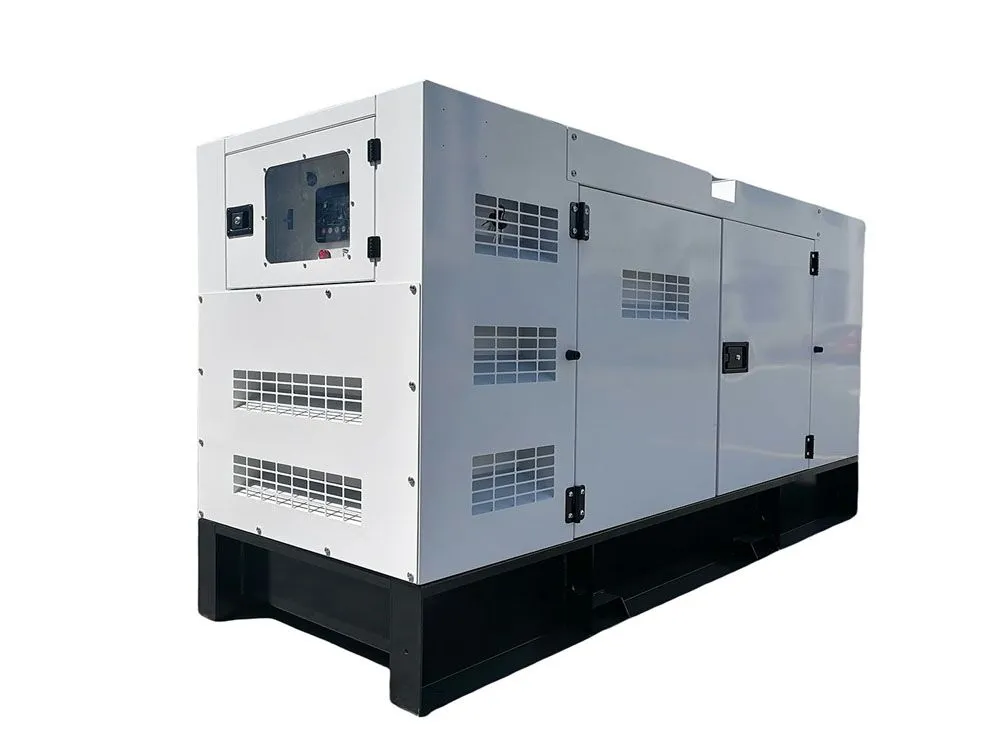
Industrial projects live under local rules. Even when your generator decision is driven by uptime, permitting and emissions can decide what you are allowed to run and for how long. Treat environmental limits, noise restrictions, and installation conditions as early constraints. If the site has strict regulatory limits, natural gas is often easier to position. If the site is remote with harsh conditions and limited infrastructure, diesel may still be the practical choice.
Site Installation Checks That Make or Break Industrial Reliability
This is where many comparisons stop being theoretical and start becoming real. Even the best natural gas generator vs diesel generator decision can look wrong if installation basics are ignored.
Ventilation and exhaust routing
A practical generator room needs strong ventilation and a clear exhaust path. Poor airflow causes heat soak, derates performance, and increases nuisance alarms. Exhaust routing should be kept as short and straight as possible, with fewer sharp bends, to reduce back pressure and protect usable output.
Cable sizing and voltage drop
Cable selection is not only about current capacity. Distance matters because loss in the cable can create voltage drop at the load. A common engineering target in generator projects is to keep voltage drop between generator and load within about 5%, especially for long cable runs feeding sensitive equipment.
Three-phase balance and termination discipline
Make phase, neutral, and ground connections one-to-one, and keep phase loading balanced. Phase imbalance can overheat alternator coils and can damage three-phase equipment.
Grounding and ATS integration
Grounding should be completed before operation, and the load side should have proper ground connections. ATS behavior should also be treated as commissioning-critical. Transfer logic based on utility voltage or frequency conditions is part of the reliability chain, not a last-minute accessory.
Maintenance Planning and Readiness Testing
A generator that never gets exercised under realistic conditions can fail at the worst time. You want a maintenance rhythm you can execute with your actual staffing, and you want testing that reveals problems early.
Standby exercise that catches problems early
In many industrial standby power programs, a common practice is to run the generator monthly under partial load. Exercising the set at around 50% load for one to two hours can reveal cooling, wiring, and control issues before a real outage forces the discovery.
Build your handover package like an industrial project
Ask for a clear maintenance record format and service expectations, and align them to your site responsibilities. Warranty and long-term reliability depend heavily on documented maintenance and disciplined operation, especially for long-hour duty.
Conclusion
For industrial power projects, choosing between a natural gas generator vs diesel generator is best done around fuel reliability, run-hours, emissions constraints, and load volatility. Natural gas often wins when supply is stable and long-run economics matter. Diesel often wins when deployment speed, fuel flexibility, or remote logistics dominate.
No matter which you choose, installation discipline decides uptime. Plan ventilation and a clean exhaust path, keep exhaust routing short and straight, size cables with voltage drop in mind, balance three-phase loads, and treat grounding and ATS integration as commissioning-critical items.
Why Uleengen Fits Into Industrial Power Projects
Uleengen (Shandong Uleen Generator Co., Ltd.) has focused on the R&D and manufacture of intelligent generator sets since 2011, supplying generator solutions to overseas markets across Asia, the Middle East, Africa, and South America. Products have been delivered to more than 70 countries and regions. The company focuses on practical project delivery and aims to support buyers who need reliable power equipment for real industrial operating conditions.
FAQ
Q1: Which is better for industrial power projects, a natural gas generator vs diesel generator?
A: It depends on your duty profile and fuel reality. If you run long hours with stable gas supply, natural gas can be a strong fit. If you need fast deployment, remote flexibility, or you expect chaotic loads, diesel can be the safer project choice.
Q2: What is the biggest hidden risk after you buy the generator?
A: Site execution. Poor ventilation, messy exhaust routing, and weak electrical discipline can cause overheating, nuisance alarms, and unstable load voltage. Treat installation checks as part of your reliability plan, not as a last-minute task.
Q3: How do you prevent voltage problems on the load side?
A: Treat cable distance as a design factor. Keep voltage drop between generator and load within a practical target, and avoid long, undersized cable runs that can starve motors and sensitive equipment under load.
Q4: Why does phase balance matter so much in three-phase industrial sites?
A: Because imbalance can overheat alternator coils and can damage three-phase equipment. Keep phase loads balanced and terminate phase/neutral/ground correctly during installation and commissioning.
Q5: How should you test a standby generator so it is ready for real outages?
A: Run it under realistic conditions. A practical approach used in many industrial programs is a monthly exercise under partial load, such as around 50% load for one to two hours, so cooling, wiring, and control problems show up early.


