



contact us
-
3-2-1003 Software park, Weifang Hi-tech Zone, Shandong, China
- +8615095247272
- sales@uleengen.com
-


How to Choose the Right Perkins Diesel Generator Size for African Worksites
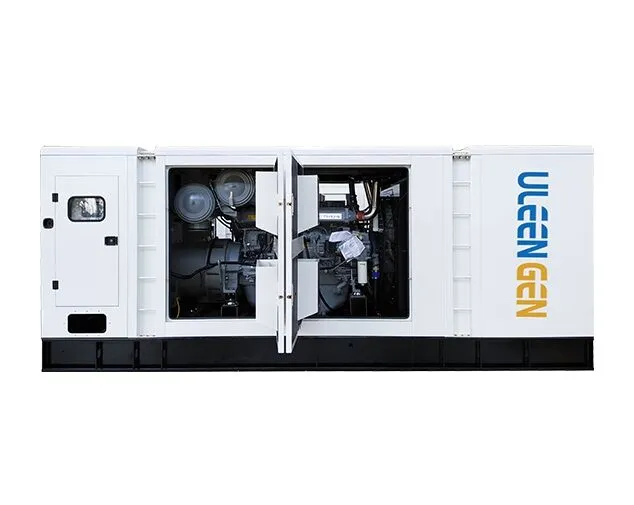
On many African worksites, the grid is either weak, unstable, or simply not available. You may rely on generators not just as backup, but as the main source of power for construction, camps, pumps, welding and site offices. If the generator set is too small, it trips and stalls your work. If it is too big, it wastes fuel every hour it runs. That is why diesel generator sizing is not a guess; it is a basic part of project planning.
This guide walks through generator sizing for African worksites, explains which factors really matter, and shows how a well-matched Perkins diesel generator can give you reliable power without burning more fuel than needed.
Why Generator Sizing Matters in African Worksites
Worksites across the continent face a similar pattern: mixed loads, long cables, dust, heat and often long running hours. Generators see everything from small office equipment to heavy motors and welding machines on the same busbar. If you treat all of that as a single “rough kVA number”, you risk either overload or chronic low loading.
At the same time, many projects depend fully on backup power for African worksites during grid outages. When power trips in the middle of a concrete pour or during night work, you do not just lose time, you may lose materials, safety margin and client confidence.
Common Power Challenges on African Worksites
On a typical construction site power supply, you have a mix of lighting, containers, pumps, compressors, small tools and sometimes a crusher or batching plant. Voltage drops on long cables, frequent starts and stops, and hot weather all make life harder for the generating set. Heavy inductive loads draw high starting current and surge loads, sometimes several times their running current.
In this environment, load calculation for generators should separate continuous loads from big starters. Otherwise, short spikes can pull down the voltage and trip breakers even if the total kVA on paper looks safe.
Risks of Oversizing and Undersizing
If you undersize, the problems are obvious: nuisance trips, motors that refuse to start, brownouts and overheating. But oversizing is not harmless either. A generator set that only ever sees 20–30% load will run at poor efficiency, glaze cylinders and burn extra fuel. Over a long project, that extra fuel easily makes a big difference.
Good generator sizing for African worksites avoids both extremes and matches the generating set to the real load profile.
How to Calculate the Correct Generator Size
You can think of how to size a Perkins generator for African worksites as three steps: list your loads, think about starting behaviour, then check runtime and fuel.
Step 1 — List All Critical and Non-Critical Loads
Start with critical loads: pumps, site lighting, hoists, communication gear, essential IT. Then add non-critical loads such as air conditioners or temporary outlets. Group them into “must run” and “nice to have”. This makes diesel generator sizing much more realistic than a single big guess.
Step 2 — Consider Starting Current and Surge Loads
Next, look at motors and welders. Many of these need two to seven times their running current at start-up. If several motor starts overlap, the peak kVA can be far higher than the steady value. This is where kVA sizing for worksites matters. You may decide to stagger starts or use soft starters to keep peaks under control.
Step 3 — Estimate Expected Runtime and Fuel Demand
Finally, estimate how many hours per day the generator will run. On remote sites, long shifts and night work are common, so fuel cost becomes a serious line in the budget. Here Perkins generator fuel efficiency is a real advantage, because lower specific fuel use means fewer deliveries and lower risk of running dry at the wrong moment.
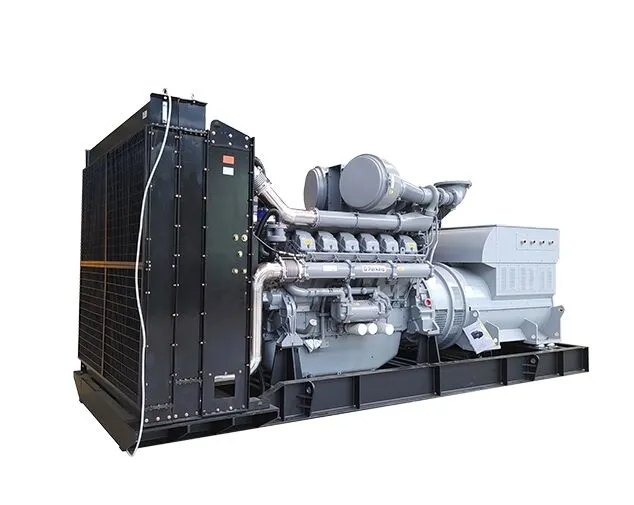
Why These Generators Fit African Worksites Well
Many contractors in Africa like to use the same engine platform across different projects. A Perkins diesel generator fits this idea because it combines efficiency, reliability and a wide power range.
Fuel Efficiency for Long Runtime
Perkins engines are designed for continuous running and steady loads. Over a long job, the fuel curve matters more than the purchase price. When you compare generator sets at 70–80% load, better efficiency can translate into many thousands of litres saved, especially on diesel generator solutions for remote African projects.
Robust Performance and Reliability
Hot climates, dust and irregular loads stress any machine. Perkins generator reliability comes from proven designs and a strong global service base. For you, that means less downtime and more stable reliable power in Africa, even when the site is far from a major city.
Wide kVA Range for Different Worksites
You can find a Perkins generator for African commercial projects in small, medium and large kVA ratings. That lets you choose the best generator size for construction camps in Africa, then move the same generator set later to another job with a similar load. It also helps if you want to build a bank of smaller generating sets instead of one very large machine.
Sizing Examples for Typical African Worksites
To make sizing more concrete, it helps to look at typical patterns.
Small Camps and Site Offices
A camp with lighting, a few air conditioners, laptops and a small pump might fall in the 20–50 kVA range. The exact size depends on how many loads run at once, but the idea is to keep the generating set in a healthy load band most of the time.
Medium Worksites With Motors and Welders
Once you add big pumps, compressors and welders, the required kVA can jump to 80–150 kVA. Here it is important to plan start sequences and leave margin for peaks, not only for average running load.
Large Projects and Mining Areas
Larger worksites or mines may need 200–300 kVA or more, often with multiple generating sets in parallel. This gives redundancy and lets you match the number of running generator sets to the current demand.
Checklist Before You Finalize Your Generator Size
Before you sign off, ask yourself a few simple questions:
- Have you clearly separated critical and non-critical loads
- Did you factor in starting current and surge loads for motors and welders
- Does the generator setrun at a healthy load most of the time
- Is there enough space, airflow and access for servic
- Are fuel deliveries and basic maintenance realistic for the site
If the answer to all of these is yes, your sizing is probably on the right track and will give you more stable construction site power supply and reliable power in Africa without constant firefighting.
A Power Partner for Your African Projects
Shandong Uleen Generator Co., Ltd., widely known as Uleengen, supplies complete generator sets to customers around the world, with a strong focus on real project conditions rather than just catalogue ratings. Based in Weifang, an established engine and generator manufacturing hub, Uleengen offers a full line of Perkins-powered generator sets that cover small site offices, medium construction worksites and larger industrial users. Product ranges and company profiles show that these generating sets are built for continuous duty, practical maintenance and stable performance in demanding environments.
For African projects, Uleengen pays close attention to fuel efficiency, sizing advice and acoustic options, helping you choose a Perkins generator for Africa that fits both your load and your budget. With export experience, technical support and parts supply behind each generator set, the company works as a long-term partner rather than a one-off seller, so your sites can run with fewer surprises and a clearer cost picture over the full life of the equipment.
FAQ
Q1: What happens if the generator is too small for the worksite
A: It may trip repeatedly, struggle to start motors and run at low voltage, which can damage both tools and sensitive equipment.
Q2: Is it always safer to choose a much larger generator
A: Not really. Oversizing leads to poor fuel economy and low load running, which can shorten engine life and raise operating cost.
Q3: How accurate does the load calculation need to be
A: You do not need every watt perfect, but you should know your main loads, their starting current and which ones must run together.
Q4: Can one generator cover both camp loads and heavy machinery
A: Sometimes, but it is often better to separate very large or noisy loads, or at least plan start-up sequences to avoid big peaks.
Q5: How often should a worksite generator be serviced
A: Follow the service hours in the manual, and shorten intervals if the environment is very dusty or the generating set runs many hours each day.


