


contact us
-
3-2-1003 Software park, Weifang Hi-tech Zone, Shandong, China
- +8615095247272
- sales@uleengen.com
-


Affordable Industrial Gas Generator: Lower Factory CapEx
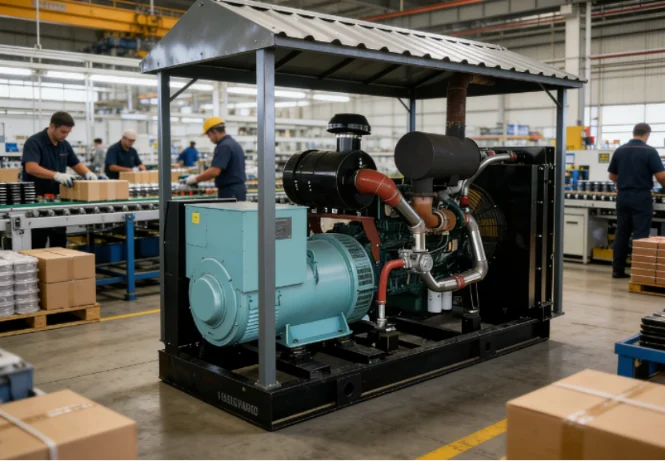
Getting budget approval for a new power plant usually involves a lot of arguing with the finance department. You know the factory floor needs continuous electricity to keep the assembly lines moving. But the CFO looks at the price tag of a premium tier machine and immediately rejects the purchase order. It puts you in a tough spot. You cannot risk a sudden grid failure melting your materials in the middle of a production run. You also cannot magically create a bigger capital expenditure limit. This exact situation makes finding an affordable industrial gas generator your top priority. You need raw mechanical power without the luxury sticker shock.
This is where looking at specialized builders makes a huge difference. UleenGen operates out of the Software park in the Weifang Hi-tech Zone in Shandong province, China. Shandong Uleen Generator Co., Ltd focuses heavily on building robust and cost effective power stations for mid-sized facilities. Instead of overcharging for flashy electronics, they package reliable mechanical engines like the Ricardo series gas generator into tough steel canopies. They use proven components like the Smartgen HGM6120 controller to give you digital safety without the bloated price. It gives you a realistic way to keep the plant running when the main grid goes completely dark.
What Is the True Cost of Industrial Power Equipment?
People often confuse the purchase price with the actual lifetime cost of the machinery. When you buy a massive power station, you pay for the metal and the engineering. Sometimes you also pay a massive premium just for the paint color and the logo on the side.
The Premium Brand Markup
Top tier brands charge incredibly high prices because they spend millions on marketing and proprietary software. They pack their units with highly complex electronics that a mid-sized warehouse honestly never uses. You end up paying for features that just sit there collecting dust. A facility running a few packaging lines does not need military grade satellite monitoring or overly complicated touchscreens. You just need the lights to stay on and the motors to spin smoothly.
Smart Capital Allocation
Going with a Ricardo series unit strips away the unnecessary fluff. You get heavy duty mechanical engineering focused purely on generating electricity. The money you save on the initial purchase can go straight back into the factory floor. Maybe you buy a new forklift or upgrade your ventilation system instead of making a generator manufacturer slightly richer. Actually, allocating capital away from idle backup systems and into active production lines is exactly how smaller factories survive bad economic quarters.
How Do You Break the Chains of Expensive Maintenance?
Buying a luxury generator sets is just the beginning of your financial headaches. The real trap closes when that machine throws a fault code and shuts itself down. You quickly realize you are completely locked out of your own equipment.
The Hidden Trap of Luxury Engines
Many high end power systems require specialized software just to read a basic error code. Your own maintenance crew cannot fix it. You have to call a certified technician who charges two hundred dollars an hour just to drive to your site. Then you wait three weeks for a proprietary circuit board to ship from overseas. This kind of industrial generator maintenance nightmare costs smaller plants thousands of dollars in lost production time.
Universal and Cheap Spare Parts
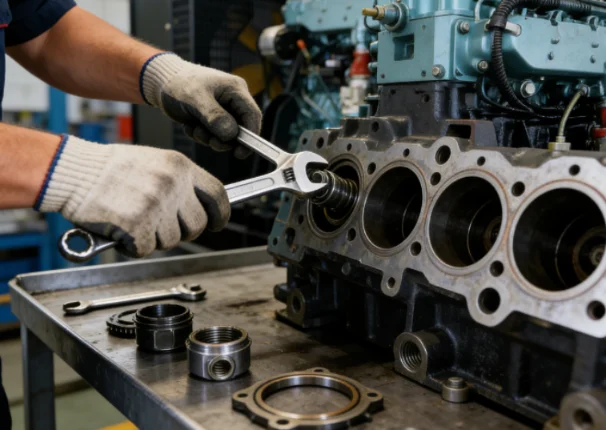
Ricardo engines take a totally different approach. They rely on straightforward mechanical designs that have been around for decades. Your existing factory mechanic can look at the engine block, figure out the problem, and grab a wrench. Even better, universal spare parts are available in almost every major industrial city globally. You can buy a replacement filter or a fan belt at a local supply shop for twenty bucks and have the genset running again by lunch.
Can a Cheaper Engine Handle Continuous Factory Loads?
There is a persistent rumor that spending less money automatically gets you a fragile piece of junk. People worry that a cost effective engine will just melt if you force it to run for three days straight during a severe winter storm.
Decades of Proven Fieldwork
The Ricardo engine reliability record speaks for itself. These engine blocks originally powered heavy agricultural tractors and old school water pumps working in muddy fields. They are built thick and heavy. They handle dust, severe vibration, and terrible weather on a daily basis. The alternators paired with them usually carry an IP23 protection rating and H type insulation. That means stray factory moisture and dirt have a really hard time ruining the internal copper windings over time.
Continuous Industrial Output
You do not have to baby these gas generators. A properly sized affordable industrial gas generator handles the grueling 24/7 continuous loads of a manufacturing line just fine. If your facility needs 150 kilowatts of continuous factory power, the machine will sit there and produce exactly that. It might not look like a spaceship, but it gets the job done without overheating.
Does Switching to Natural Gas Actually Lower Your Monthly Bills?
Fuel is the biggest operational expense for any backup power plan. Buying a cheap genset that burns through fuel like crazy is a terrible financial move. You have to look at what you are feeding the engine every single month to see the true cost.
Diesel Versus Gas Expenses
Diesel is a massive headache for plant managers. You have to pay delivery fees to get it trucked to your site. You have to hire crews to clean the storage tanks to prevent algae growth. Fuel theft is also a surprisingly common problem at remote industrial job sites. All of these annoying little factory operational expenses add up incredibly fast.
Lowering Factory Operational Expenses
Tapping directly into a municipal gas pipeline changes the math entirely. Natural gas fuel costs are generally much lower and far more stable than unpredictable diesel prices. You never have to schedule a delivery truck or worry about bad weather blocking the roads. The fuel just flows in as long as the city pipes are intact. Pairing a mechanically simple Ricardo engine with cheap pipeline gas gives you an incredibly low cost per kilowatt hour.
FAQ
Q1: Will an affordable industrial gas generator trigger noise complaints from my neighbors?
A: It depends entirely on the canopy you select. If you buy the open type, it is quite loud. But a proper silent type enclosure drops the noise down to around 75 decibels at a distance of 7 meters. That is quiet enough to run right outside a warehouse without bothering the neighborhood.
Q2: Can my regular maintenance team service this equipment?
A: Yes, absolutely. The straightforward mechanical design means anyone with basic heavy diesel or gas engine experience can perform oil changes, replace filters, and handle routine upkeep. You do not need expensive proprietary software to keep it running.
Q3: Does the Smartgen controller come standard on these cost effective models?
A: Yes. Units built by companies like UleenGen typically include advanced digital controllers like the HGM6120. This watches over the engine vitals and monitors oil pressure, temperature, and voltage automatically to prevent severe internal damage.
Q4: How does pipeline fuel save money over time?
A: Pipeline fuel eliminates delivery fees, tank cleaning costs, and the risk of fuel going bad sitting in a tank. You only pay the utility company for exactly what the engine consumes during an active power outage.
Q5: Is it safe to run this engine continuously for several days?
A: As long as you maintain proper oil levels and the cooling radiator is functioning smoothly, these heavy duty blocks are fully capable of continuous operation during extended grid failures. They are built for endurance.


