



اتصل بنا
-
3-2-1003 حديقة البرمجيات ، منطقة ويفانغ للتكنولوجيا العالية ، شاندونغ ، الصين
- +8615095247272
- sales@uleengen.com
-


The Hidden Costs of Power in Africa: 3 Gas Generator Failures and How to Fix Them


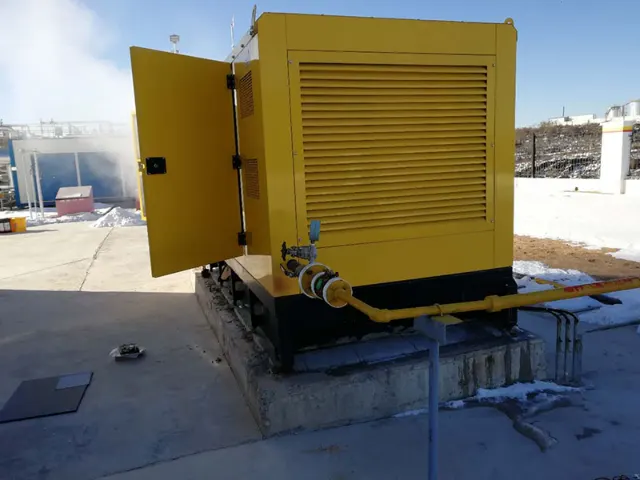
If you search generators Africa, you are rarely hunting for a “best brand” list. You are trying to stop losses, protect uptime, and keep a site running when the grid goes quiet. The hidden costs show up fast: stalled production, spoiled stock, overtime labor, and emergency rentals that drain budgets. In sub-Saharan Africa, power supply is still tight in many places. Total installed generation capacity across 48 countries has been described as comparable to Spain, and a significant share of plant has not been operating condition at times, so reliability risk is not a niche problem.
Why Power Feels Expensive Even When You Pay for It
The pain is not only the tariff. It is the gap between what you pay and what you can rely on. Average electricity tariffs across countries have been reported around US$0.13 per kWh, yet prices still fail to cover costs in many cases, which feeds underinvestment and more fragility.
When supply drops, businesses pay twice: once to the utility, then again for backup.
A Quick Reality Check: Outages, Self-Generation, and the Real Cost Curve
Manufacturing enterprises have reported power outages on an average of 56 days a year, costing firms 5–6% of revenues. That helps explain why many firms run their own diesel generators, with a cited cost around US$0.40 per kWh.
Those numbers are the reason “cheap power” becomes a myth on spreadsheets. You end up paying for downtime even when the invoice looks normal.
Failure 1: Fuel Planning Breaks First, Not the Generator
Most gas generator failures start before the engine ever cranks. Fuel plans are written like a procurement line, not like a real supply chain. In many African cities, the generator is blamed for trips and missed starts, while the root cause is fuel availability, pressure swings, or logistics chaos.
What It Looks Like on the Ground: Pipeline Limits, Vandalism, and Price Shocks
Fuel supply problems do not look dramatic on a drawing. They look like a “small” delay at the port, a pressure dip at peak hours, or a supplier that changes terms mid-season. For gas generators in Nigeria, the failure pattern often begins with overconfidence in supply stability. Regional power pools exist and cross-border flows happen, yet arrangements are not fully competitive, and imports/exports can still be constrained in practice.
How To Fix It: Treat Fuel as a System, Not a Line Item
Use a simple fuel discipline that a site team can follow:
-
Map fuel availability by season and by hour, not only by “yes/no pipeline.”
-
Design for fuel logistics: delivery windows, access roads, storage rules, and what happens during strikes or storms.
-
Control gas pressure fluctuation with proper regulation and alarms that tell you what is happening, not just that something is wrong.
-
Write a fallback plan that still keeps critical loads alive when the best-case fuel plan fails.
That last step feels boring. It saves projects.
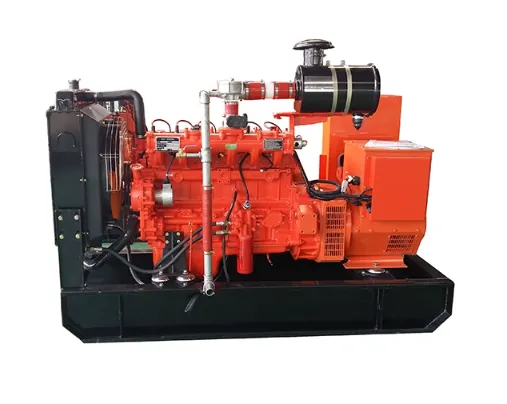
Failure 2: “Cheap Power” Turns Into the Most Expensive Power on Your Balance Sheet
The second category of gas generator failures is financial, not mechanical. The project team underestimates operating cost because they only price fuel burn. The CFO later prices lost sales, missed service levels, and rented emergency equipment. That is where the hidden costs of power get ugly.
The Hidden Bill: Outage Days, Revenue Loss, and Emergency Rentals
Emergency generation can be deployed quickly, but it is expensive. Small-scale diesel emergency units have been cited at around US$0.35 per kWh, often leased for up to two years. An estimated 700 MW of emergency generation has been operating in sub-Saharan Africa, described as more than 20% of installed capacity in that context.
How To Fix It: Cost the Project Like an Operator, Not Like a Buyer
A cleaner way to compare options is to cost the outcome:
-
Operating cost (fuel, service, parts, callouts)
-
Downtime cost (lost revenue, penalties, spoilage, labor disruption)
-
Outage cost per year tied to your outage window, not a generic number
-
Risk cost (fuel supply volatility, single points of failure, weak maintenance access)
A small aside that matters in real life: a site can accept “a loud day” once, but not every week. If your backup plan annoys tenants, neighbors, or a nearby clinic, someone will eventually force changes at the worst time. That turns into surprise spend.
Failure 3: The Grid Is Small and Stressed, So Sizing Assumptions Go Wrong
The third group of gas generator failures comes from sizing and duty assumptions that do not match African grid realities. In many places, systems are small, reserve margins are thin, and shocks hit hard. Economies of scale in thermal generation have been described as kicking in around 400 MW, yet only a limited number of countries meet that threshold, while many systems are far smaller.
Why Small Systems Force Bad Trade-Offs: Diesel Dependence and No Reserve Margin
In eastern and western Africa, about one-third of installed capacity has been described as diesel-based generators in that context.
Diesel-heavy systems carry a cost penalty, with predominantly diesel-based systems cited as significantly more expensive than hydro-based systems.
When the grid is stressed, you also get more load shedding, more starts, and more partial-load running. All of that punishes sizing mistakes.
How To Fix It: Size for Load Priority, Not for Nameplate Comfort
A practical sizing method is boring, but it works:
-
Build a load priority list (must-run, should-run, nice-to-have).
-
Define the outage window you must cover: standby power for short cuts is not the same as prime power for daily gaps.
-
Choose redundancy that matches fuel reality: one larger machine is simple, but multiple generator sets can match load better and give you options when maintenance is due.
This is where many tenders go wrong. A bigger number feels safe. Then the site runs at low load, burns money, and still trips on fuel or maintenance.
A Practical Fix Checklist for Africa Projects
A checklist sounds basic, yet it prevents repeat failures across sites. Keep it short so it actually gets used. Think of it as an EPC checklist for decision speed, not a binder.
What To Ask Before You Sign: Five Questions That Prevent Most Failures
-
What is the real fuel supply plan, and what breaks it first?
-
What is the expected operating cost at your typical load, not the brochure load?
-
What is your annual downtime exposure, based on your own outage history?
-
What does project sizing look like after you remove noncritical loads?
-
If the main plan fails, what is the fallback that still protects critical services?
Conclusion: Lower the Hidden Costs, Then the Hardware Starts to Shine
Most failures are not “bad engines.” They are weak fuel planning, weak costing, and weak sizing assumptions in a stressed market. When you treat fuel availability as a system, model outage cost like an operator, and size around load priority, you cut the hidden costs of power. Then gas generator failures drop, and your backup plan finally behaves like infrastructure, not drama.
A Generator Partner That Fits Africa Project Reality
Shandong Uleen Generator Co., Ltd. (Uleengen) focuses on practical generator sets for export projects where uptime, service access, and lifecycle cost matter more than glossy specs. You can source diesel generators or generator sets for standby power, prime power, and long-run duty, then match controls, enclosures, and site conditions to real loads. This matters in Africa: many projects need stable starts after idle periods, clean service access for routine maintenance, and parts support that does not turn into a long wait. If your job involves telecom sites, data rooms, public facilities, or commercial buildings, Uleengen’s approach is useful because selection starts from load reality and operating constraints, not from one fixed package.
FAQ
Q1: Why do gas generators in Africa fail even when the specs look fine?
A: Most failures start in fuel availability, fuel logistics, or sizing mistakes. If the fuel plan and load priority plan are weak, the best hardware still struggles.
Q2: What is the hidden cost behind “cheap power” in African projects?
A: Downtime and outage cost often exceed fuel cost. Outages have been reported at 56 days per year for manufacturing firms, with 5–6% revenue loss, which changes the real business math.
Q3: How should you check fuel availability before choosing a gas generator?
A: Check supply stability, pressure ranges, delivery routes, and seasonal risk. For markets like gas generators in Nigeria, treat supply variation as normal and plan regulation plus fallback.
Q4: What is the fastest way to avoid sizing mistakes?
A: Start with load priority, then size for the loads you must keep alive. Add realistic runtime hours, not wishful hours.
Q5: When do emergency generators make sense, and what do they cost?
A: Emergency generators help when a site needs fast capacity, but they can be expensive. Small diesel emergency units have been cited around US$0.35 per kWh, so they are a bridge plan, not a long-term comfort zone.


