



اتصل بنا
-
3-2-1003 حديقة البرمجيات ، منطقة ويفانغ للتكنولوجيا العالية ، شاندونغ ، الصين
- +8615095247272
- sales@uleengen.com
-


2026 Emission Standards Update | Industrial Generators | UleenGen


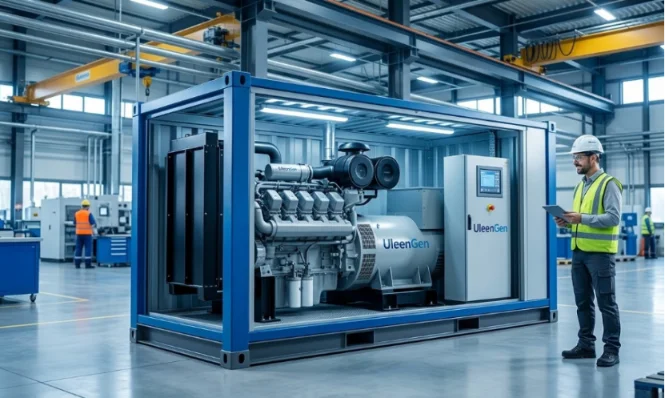
By the year 2026, the rules for factory power are getting much, much tougher. Groups that protect the earth all over the world are rewriting the rulebook. They want to change exactly what comes out of a smoke stack. They are cutting down the allowed limits for nitrogen oxides in a big way. They are also cutting down limits for dirt and tiny dust in the air. This matters a lot to you. Do you run a big making plant? Do you have a factory that never stops running day or night? Or maybe you have a mining camp far away in the hills? If so, this rule change hits your money directly. Trusting old generators to keep your work going is a huge money risk now. You need to change your setup very fast. This article will show you what you must know. You will see the new emission standards for industrial generators. You need to know why this is happening right now.
What Are the Key Changes in the 2026 Emission Standards for Industrial Generators?
The new rules coming in 2026 are very strict. The rule makers do not let you guess what they mean anymore. They are dropping the allowed NOx emissions to almost zero. This is true for setups that run all the time to make prime power. In the past, factory bosses could find ways around the hard rules. They would call a very dirty generator a standby or backup genset. They did this even if they turned it on every single day to run the shop. But those tricks will not work anymore. The doors for those tricks are closing fast.
The biggest change is how they check on you. Inspectors are not just looking at the paper sticker on the generator anymore. They want to see the real data right now. Big setups must have continuous emissions monitoring systems watching the smoke. If someone checks your site and sees too much black smoke, you are in big trouble. If your generator goes over the chemical limits, the punishment is swift and hard. The fines can easily be tens of thousands of dollars for just one bad day. Sometimes, it gets even worse than just paying money. The rule makers can tell you to shut down your plant right then and there. Your whole factory line has to stop working. It stays stopped until you get a brand new power source.
Why Are Major Facilities Abandoning Diesel Power?
Diesel fuel has a big problem with these new rules. Fixing this problem costs way too much money. Some bosses try to force their old diesel gensets to pass the tests. They bolt heavy cleaning parts onto the exhaust pipes. They put on Diesel Particulate Filters to catch the soot. They also add Selective Catalytic Reduction gensets to clean the gas. But doing this is almost always a very bad choice for your wallet.
These extra parts cost a ton of money right at the start. After that, you have to buy special fluid all the time to keep them working. You have to store this diesel exhaust fluid, which people usually call urea. Bringing giant tanks of urea to a camp in the middle of nowhere is a huge headache. The fluid goes bad when the summer gets really hot. It also freezes solid like ice in the winter cold. On top of that, these tricky exhaust parts break down constantly. People who have worked in factories for a long time will tell you the truth. They say broken SCR sensors cause more power outages than the actual city power grid failing. Clogged filters stop the work too. Factory managers are just sick and tired of dealing with these problems every week. That is the exact reason why natural gas power is taking over so fast. It is clean from the start. You do not need to use easily broken chemical scrubbers at all.
Why Choose Gas Powered Generators? (Main Advantages)
1. Exceptional Environmental Performance
Natural gas is recognized as the cleanest fossil fuel, consisting primarily of Methane (CH₄). Unlike diesel, its combustion process is remarkably clean, discharging mainly water vapor and CO₂ with nearly zero sulfur oxides (SOx) or particulate matter (PM). By utilizing advanced low-NOx combustion technologies, modern gas gensets significantly outperform coal and diesel in reducing nitrogen oxide emissions, making them the premier choice for projects with strict emission standards.
2. Significant Carbon Footprint Reduction
Switching to natural gas is a strategic move for climate-conscious enterprises. For the same power output, natural gas emits approximately 40-50% less CO₂ than coal and 30% less than oil-based fuels. This lower carbon intensity directly supports global decarbonization goals and helps businesses meet their sustainability targets.
3. Superior Economic & Operational Efficiency
In energy-rich regions—including the USA, Middle East, Central Asia, and China—natural gas consistently offers a more stable and lower price point than diesel. Beyond fuel costs, gas units connected to pipelines eliminate the logistical headaches and expenses of fuel transport and on-site tank storage. Furthermore, when deployed in Combined Heat and Power (CHP) or CCHP configurations, the system’s total thermal efficiency can soar above 80-90%, extracting maximum value from every cubic meter of gas.
4. Reduced Maintenance & Extended Service Life
The clean-burning nature of natural gas prevents the heavy carbon buildup and internal wear typical of liquid fuels. For owners, this translates to fewer oil changes, longer-lasting spark plugs, and extended intervals between major overhauls. This inherent reliability lowers the Total Cost of Ownership (TCO) and ensures your power plant stays operational longer with minimal intervention.
How Does Advanced Gas Technology Guarantee Low NOx Emissions?
Natural gas burns in a totally different way than heavy wet fuels. It does not have those thick heavy carbon parts inside it. Those heavy parts are what make dark soot and dirty smoke. But the really cool stuff happens deep inside the engine block. It happens because of modern lean-burn technology.
So, how does it work? Lean-burn systems push a whole lot more air into the engine space. They put in much more air than fuel. It sounds like a simple school science trick, but it works great in real life. All that extra air acts like a sponge for the heat. When the fuel pops and burns, the extra air absorbs the heat. This makes the highest burning temperature go down. Because the heat is lower, the nitrogen and oxygen in the air do not get hot enough to join together. Making NOx requires super high heat. If you keep the engine space cooler, you stop the bad stuff from ever forming. It is that simple. Because of this, you easily meet the tough low-NOx emissions goals. The air coming straight out of the exhaust pipe is clean. You get nice and steady power. Best of all, you do not have to bolt a messy chemical plant onto the back of your generator to do it.
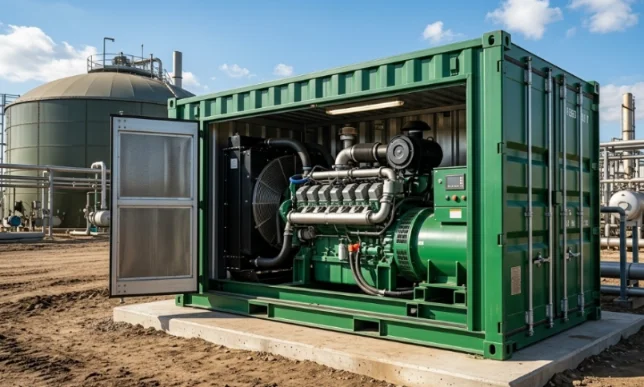
Achieving Long-Term Compliance With UleenGen Gas Generators
You need to get ready for these tough 2026 global emission standards. Trying to tape up and fix an old diesel generator is a game you will lose. You need to buy gear that was made just for this job. You need generators made to make clean power all day and all night. This is exactly where UleenGen becomes your best friend. They work as a very focused maker of industrial power. They build strong industrial natural gas generators. These generators take away all your worries about breaking earth rules.
Their team of builders only looks at one thing. They focus on burning gas better and getting the most heat out of it. They do not waste time on old fuels. They do not make small toys for houses. They only build big and strong industrial systems. They put very smart air and fuel controllers on their generators. They also use great three-way catalysts. What does this mean for you? It means the generator passes the hardest low-NOx tests the very second you turn it on. You never have to play around with weird extra parts. You do not need to sweat when a surprise smoke inspector shows up at your door. The strong engine blocks they pick can handle your heavy 24/7 factory work without stopping. Working with them gives your site safe power. It shrinks your carbon footprint a lot. It makes following the new laws very easy and safe.
What Should Facility Managers Do Before the Deadline?
Please do not wait until the last month of 2025 to think about this. You must start checking your generators right now. This check is called an emission compliance audit. Tell your engineers to look closely at your current generators. They need to check the rating on the generators that run all the time. Are they older models? Do they burn liquid fuel for main power? If the answer is yes, they will almost surely fail the new tests coming up.
You need to save money for a big change. Put a power infrastructure upgrade in your budget early this year. Buying big generators is still very slow everywhere right now. Getting a high-quality genset can take many months. If you order a clean gas genset today, it will actually get to you on time. You can set it up and pass your local air tests early. You will be ready long before the rule makers start handing out those huge fines. Getting ahead of the game is smart. It keeps your factory making things. It also keeps the environmental lawyers far away from your front door.
أسئلة متكررة
Q1: What are the main bad things targeted by the 2026 global emission standards?
A: The new rules strictly limit nitrogen oxides and tiny pieces of dirt called particulate matter. These are the main things that make factory smog and dark soot in the air.
Q2: Can I just add parts to my old diesel generator to pass the new tests?
A: You can try sometimes. But it is hard. It means you must add big and costly chemical cleaning systems. The constant fixing and high fluid costs usually make it a very bad money choice. It is just easier to switch to a different fuel.
Q3: Why is natural gas power seen as better for the earth?
A: Natural gas has a much simpler makeup inside. It burns very clean. It makes almost zero particulate matter. It also makes way less carbon dioxide than thick and wet liquid fuels.
Q4: How does lean-burn technology actually lower emissions?
A: It mixes a much bigger amount of air to fuel inside the engine block. This extra air makes the top burning heat go down. That lower heat directly stops the joining of chemicals that makes NOx.
Q5: Will buying a clean gas generator save my factory money later on?
A: Yes, it will. The first price you pay is a big chunk of money for sure. But natural gas is mostly cheaper for each genset of power you use. Plus, you totally dodge those huge rule fines and the costs of exhaust cleaning fluids that come with old generators.


